
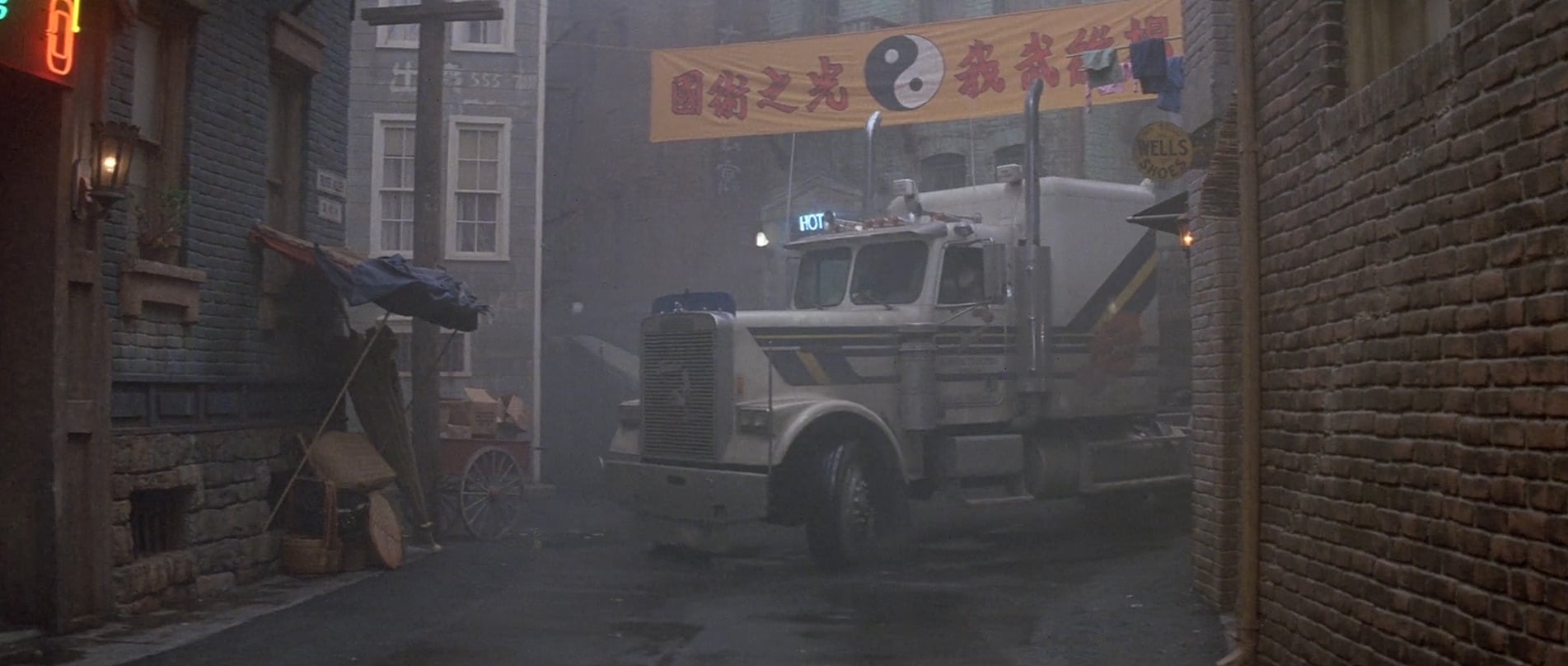

Big Trouble in Little China
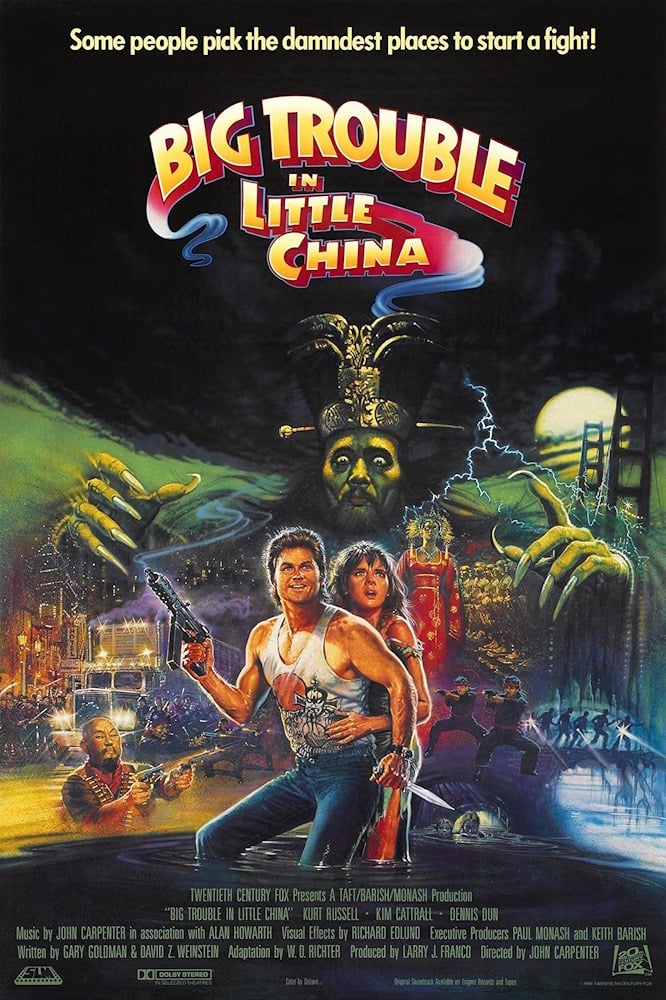
Release Year: 1986
Director: John Carpenter
Producer: Larry Franco
Running Time: 99 Minutes
Budget: $19-25 Million
Big Trouble in Little China is a cult-classic action-adventure film that blends martial arts, supernatural elements, and comedy in a fast-paced, thrilling ride. The story follows trucker Jack Burton as he navigates the mysterious underworld of San Francisco’s Chinatown after his friend is kidnapped by a powerful sorcerer named Lo Pan. Burton teams up with a group of eccentric allies, including the resourceful Wang Chi, to battle ancient magic, monstrous creatures, and dark forces threatening the city. The film is celebrated for its inventive fight sequences, memorable one-liners, and genre-defying mix of humor and high-stakes adventure.
With its imaginative visuals and engaging characters, Big Trouble in Little China has grown from a 1980s box office underdog into a beloved cult phenomenon. Fans continue to appreciate its unique blend of Eastern mythology, over-the-top action, and comedic charm, making it a standout title in both John Carpenter’s filmography and 1980s pop culture. The film’s lasting impact is evident in its influence on later action-fantasy media, from video games to comic books, solidifying its status as a must-watch for enthusiasts of adventurous, supernatural storytelling.
Cast
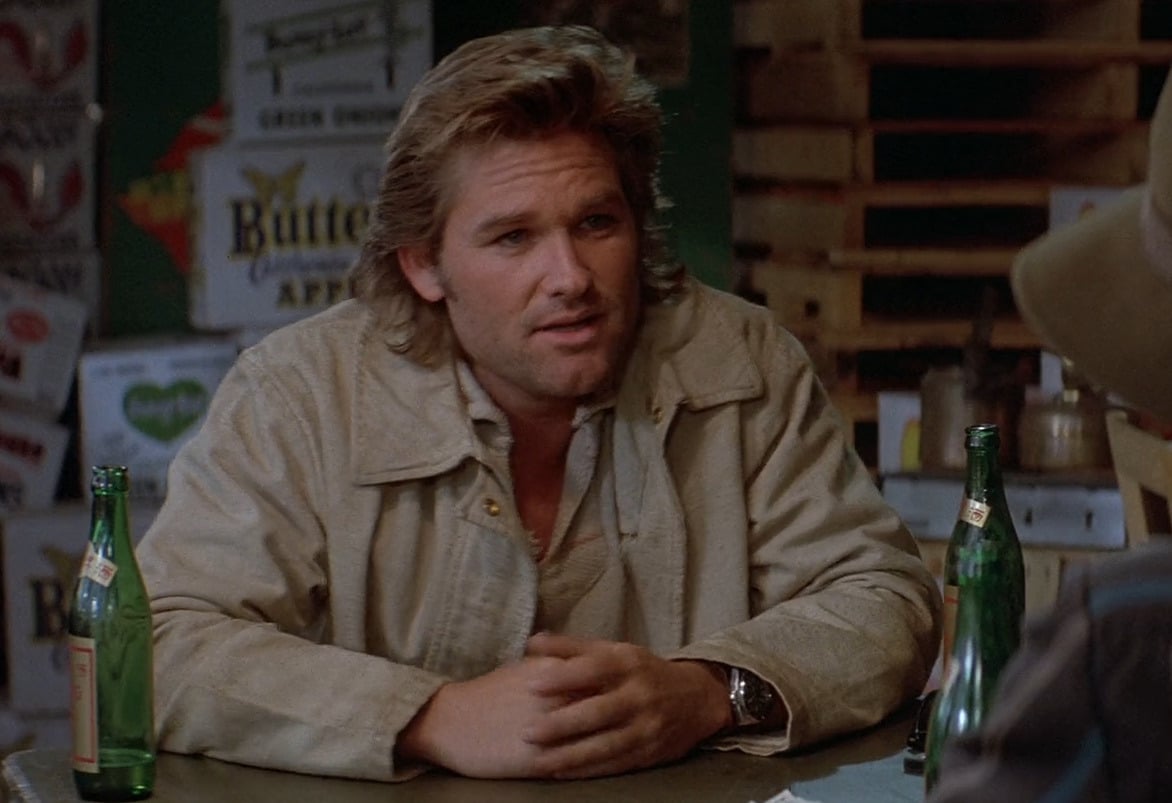
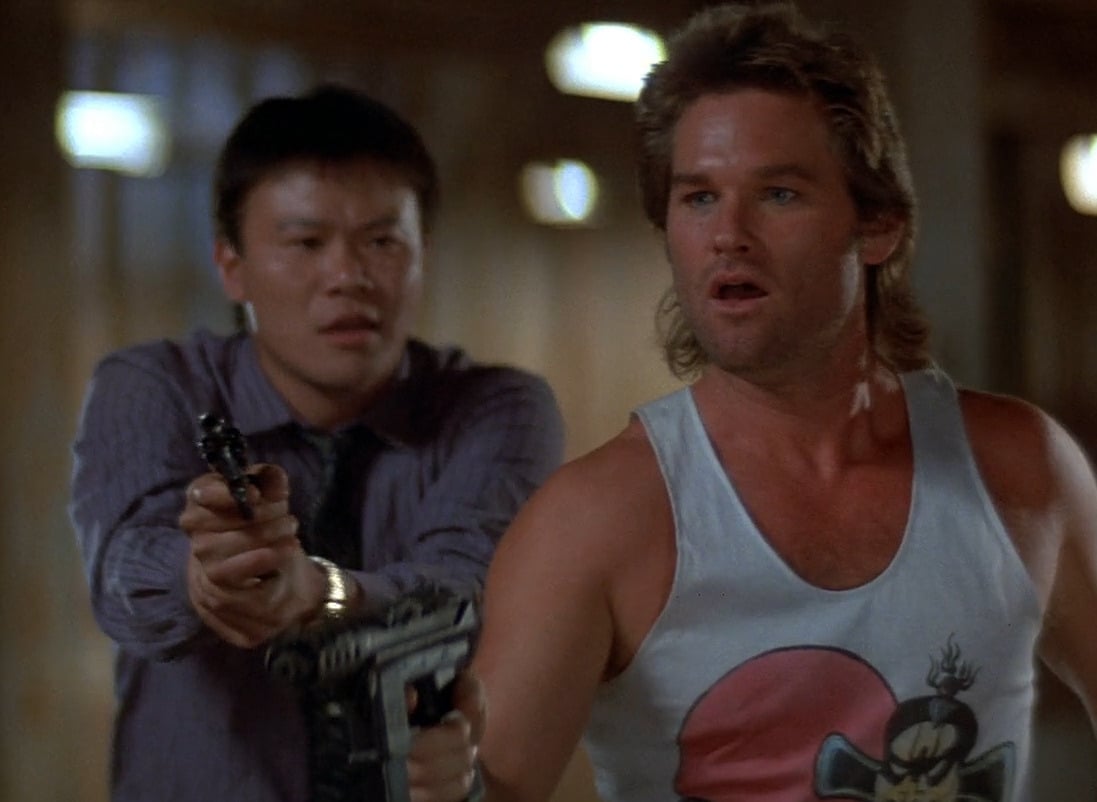
Kurt Russell as Jack Burton
Kim Cattrall as Gracie Law
Dennis Dun as Wang Chi
James Hong as David Lo Pan
Victor Wong as Egg Shen
Peter Kwong as Thunder
Carter Wong as Lightning
Donald Li as Rain
Jeff Imada as Eddie Lee
Susie Cheung as Miao Yin


Memorable Quotes
“I'm a reasonable guy. But, I've just experienced some very unreasonable things.”
“Okay. You people sit tight, hold the fort and keep the home fires burning. And if we're not back by dawn... call the president.”
“Like I told my last wife, I says, "Honey, I never drive faster than I can see. Besides that, it's all in the reflexes."
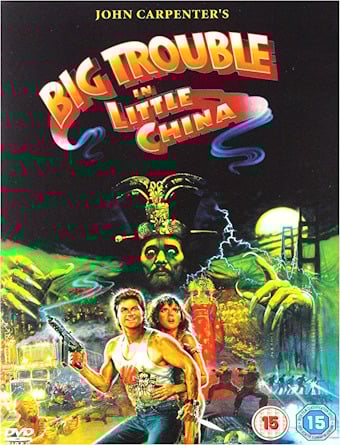
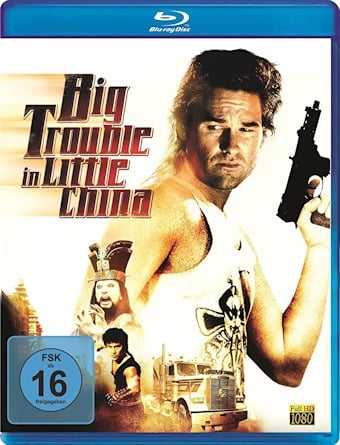
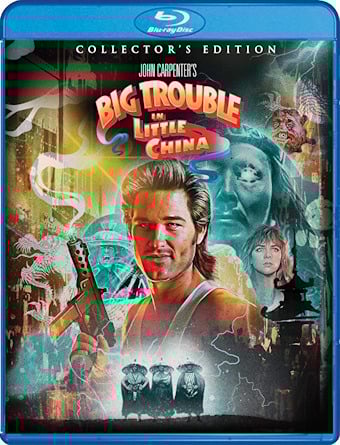
Buy Big Trouble in Little China
Click one of the Ebay or Amazon buttons below to check the latest prices and purchase Big Trouble in Little China.


Review
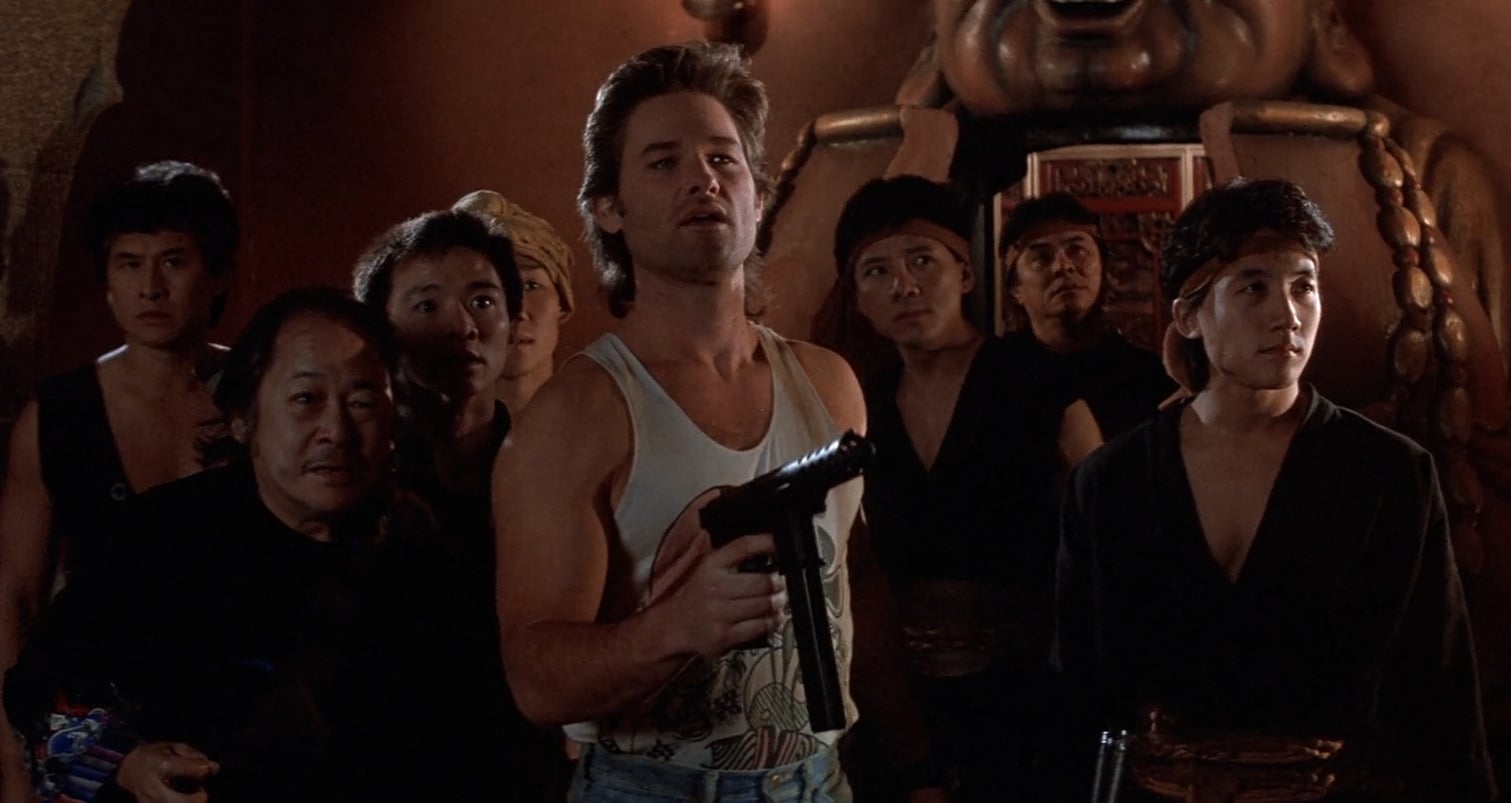
Big Trouble in Little China remains one of the most distinctive action films of the 1980s, a genre-blending experiment that has only grown in stature with time. Directed by John Carpenter, the film arrived in 1986 at a moment when action cinema was dominated by straightforward heroes and clear-cut victories. Instead, it offered something stranger and more playful, positioning its supposed lead, Kurt Russell’s Jack Burton, as a loud, confident outsider who is frequently outmatched by events around him.
Set largely within a stylised version of San Francisco’s Chinatown, the film plunges quickly into a hidden world of ancient magic, rival clans, and supernatural threats. The plot centres on Wang Chi’s attempt to rescue his fiancée from the immortal sorcerer Lo Pan, with Burton tagging along more out of loyalty and bravado than competence. This reversal of traditional hero roles gives the story much of its energy, as Burton often reacts to chaos rather than controlling it.
Kurt Russell delivers a performance that deliberately undercuts the action-hero stereotype, playing Jack Burton as a man who believes he is in charge even when evidence suggests otherwise. Dennis Dun’s Wang Chi provides the emotional and narrative backbone, grounding the film amid the spectacle. Supporting performances from James Hong, Victor Wong, and Kim Cattrall add texture and humour, ensuring that even minor characters leave a strong impression.
Visually, Big Trouble in Little China is packed with elaborate sets, practical effects, and striking creature designs that reflect Carpenter’s fondness for practical filmmaking. The action sequences, while exaggerated, are carefully choreographed, blending martial arts with fantasy elements in a way that feels inventive rather than chaotic. Carpenter’s synthesiser-driven score reinforces the film’s pulpy tone, giving it a distinct sonic identity that matches its bold visuals.
On release, the film struggled to find a large audience, partly due to marketing that failed to communicate its unusual mix of tones. Over time, however, it has been reassessed as a cult classic, praised for its originality and refusal to conform to mainstream action formulas. Its influence can be seen in later films and games that embrace self-aware heroes and mythological storytelling within modern settings.
Today, Big Trouble in Little China stands as a reminder of a period when studio films occasionally took creative risks. Its blend of action, comedy, and fantasy remains engaging decades later, not because it aims for realism, but because it commits fully to its own strange internal logic. For viewers revisiting it or discovering it for the first time, the film offers a refreshing alternative to conventional action cinema, anchored by personality, imagination, and confidence in its own identity.
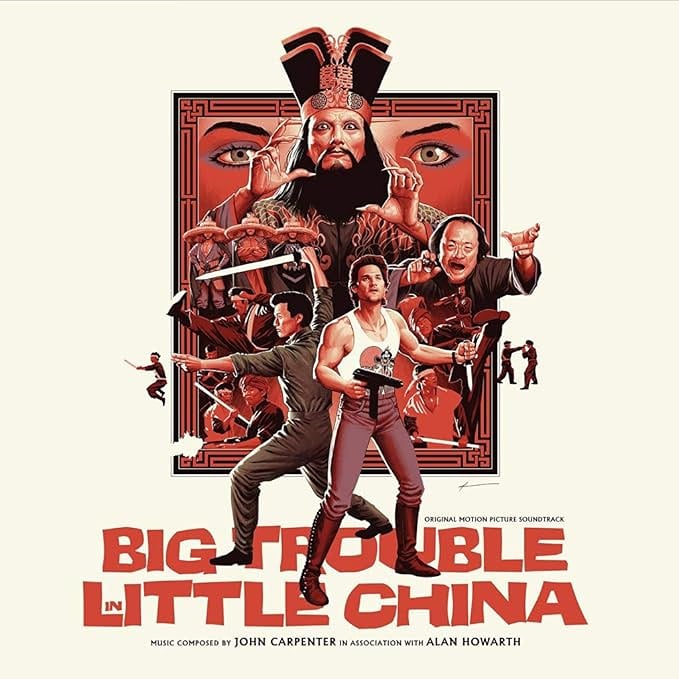
Big Trouble in Little China Vinyl Soundtrack
The Big Trouble in Little China soundtrack, composed by John Carpenter and Alan Howarth, uses bold synthesiser themes to drive the film’s action and mystery. Its pulsing electronic score blends humour, tension, and supernatural atmosphere, giving the film a distinctive 1980s identity that remains instantly recognisable.
The soundtrack can be purchased through the Amazon and Ebay links below.
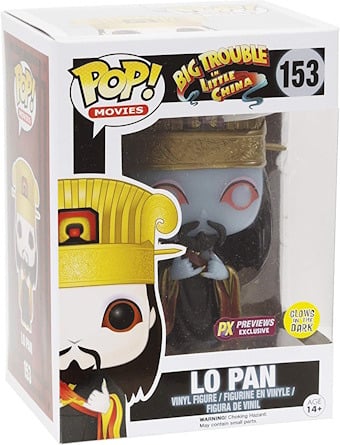
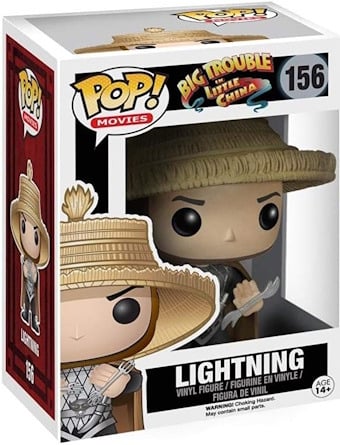
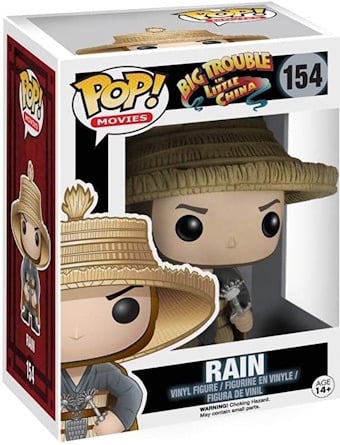
Big Trouble in Little China Merchandise
Click one of the Ebay or Amazon buttons below to check the latest prices for that piece of collectable Big Trouble in Little China merchandise.
Cultural Context: Release vs. Legacy
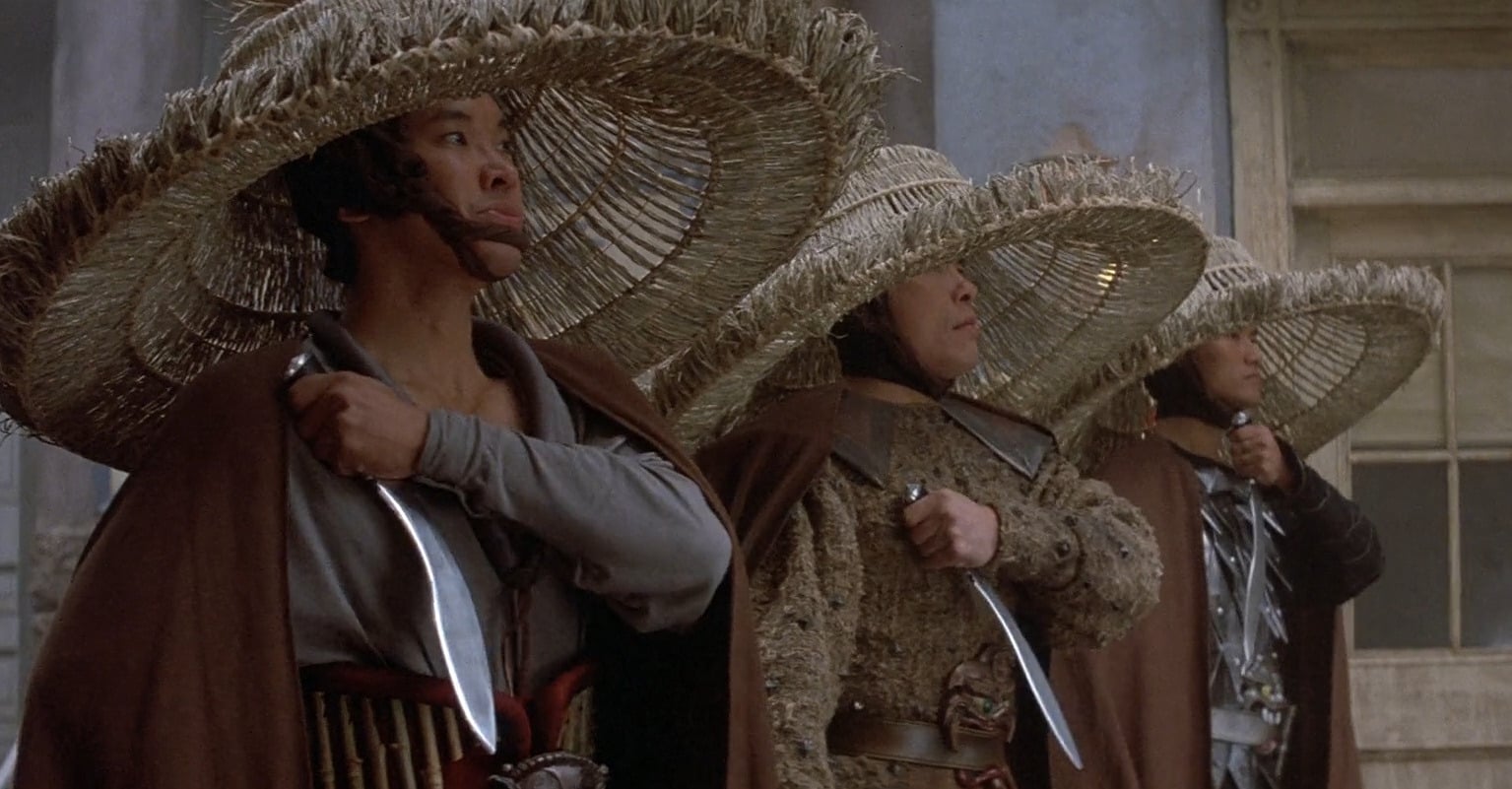
When Big Trouble in Little China was released in 1986, it arrived in a Hollywood landscape dominated by clear-cut action heroes and straightforward storytelling. Audiences were accustomed to films where the central figure was unquestionably competent and in control. John Carpenter’s film disrupted that expectation by presenting an action movie that blended comedy, fantasy, and martial arts, while placing its apparent lead in a role that was often reactive rather than heroic.
The film also reflected Western pop culture’s growing fascination with Asian cinema and mythology during the 1980s. Kung fu films, Hong Kong action movies, and supernatural folklore were increasingly influencing Western filmmakers, and Big Trouble in Little China drew heavily from these traditions. However, its exaggerated, comic-book approach and dense mythology made it difficult to market to mainstream audiences, contributing to its modest box office performance at the time.
In the decades that followed, the film benefited from changing attitudes toward genre experimentation. Home video, cable television, and later streaming allowed new audiences to discover it outside the pressures of theatrical expectations. Viewers began to appreciate its self-aware humour, practical effects, and unconventional hero dynamics, leading to its reappraisal as a cult classic rather than a commercial misfire.
Today, Big Trouble in Little China is often cited as a film ahead of its time. Its playful subversion of action tropes, fusion of Eastern and Western storytelling, and refusal to take itself too seriously align closely with modern genre trends. What once seemed confusing or unconventional is now recognised as a confident creative choice, securing the film a lasting place in popular culture.
Related Searches
Big Trouble in Little China DVD
Big Trouble in Little China is available on DVD. There are various different versions to consider, search now for....
Big Trouble in Little China Blu-Ray
Big Trouble in Little China is available on Blu-Ray. There are various different versions to consider, search now for....
Big Trouble in Little China Ultra HD
Big Trouble in Little China is available on Ultra HD Blu-Ray. There are various different versions to consider, search now for....
Big Trouble in Little China Movie Poster
Various posters were created at the time Big Trouble in Little China was released. Reproductions of these can now be.....
Big Trouble in Little China Watch
There are various different ways you can now watch Big Trouble in Little China. This can be via physical media, streaming....
Big Trouble in Little China Trailer
There are various trailers available for Big Trouble in Little China. Some are from the original theatrical release, others are....
Big Trouble in Little China Streaming
Big Trouble in Little China is available to stream on a variety of platforms. These are often subject to change, check....
Big Trouble in Little China Cast
The cast and characters for Big Trouble in Little China can be viewed further up this page.. Alternatively, there are other....
Big Trouble in Little China Netflix
Big Trouble in Little China may be available to stream on Netflix. Not all territories show the same films at the same time.....
Big Trouble in Little China Prime Video
Big Trouble in Little China may be available to stream on Prime Video. Not all territories show the same films at the same....