
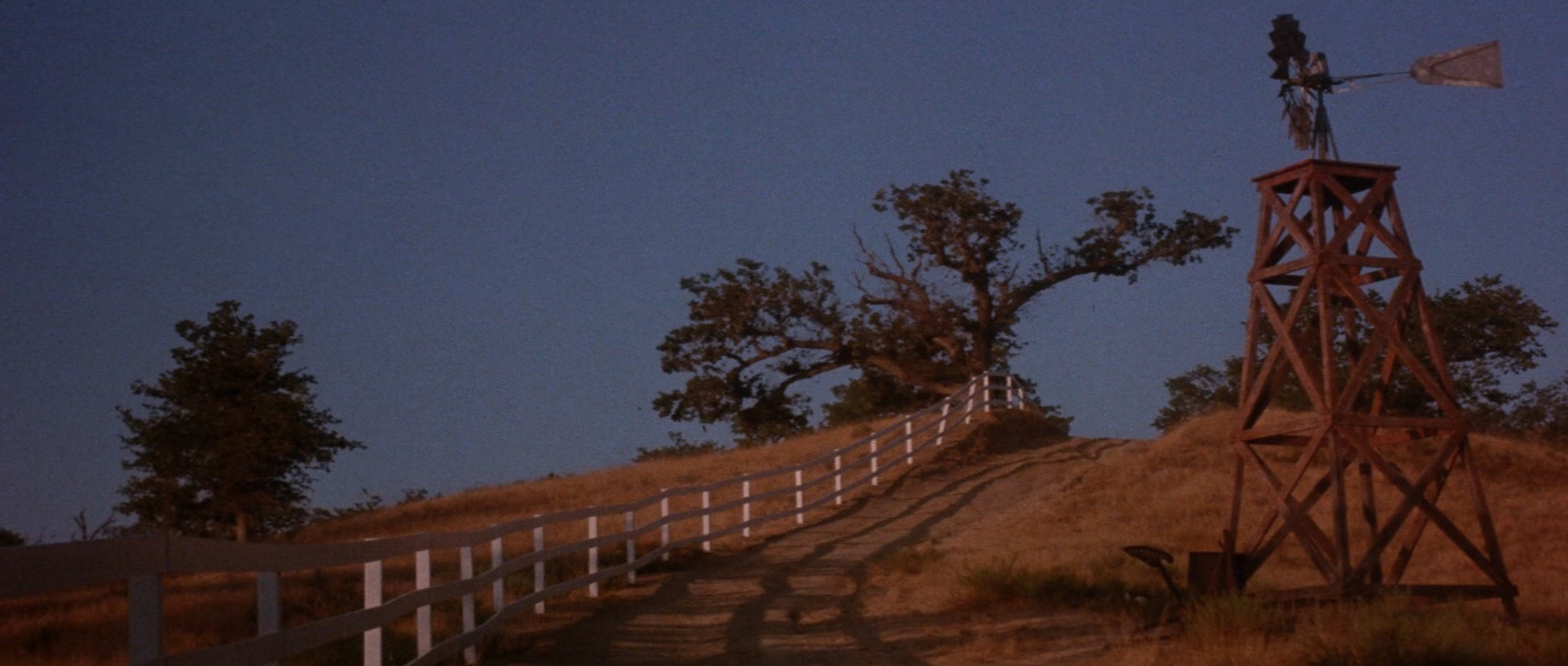

Critters
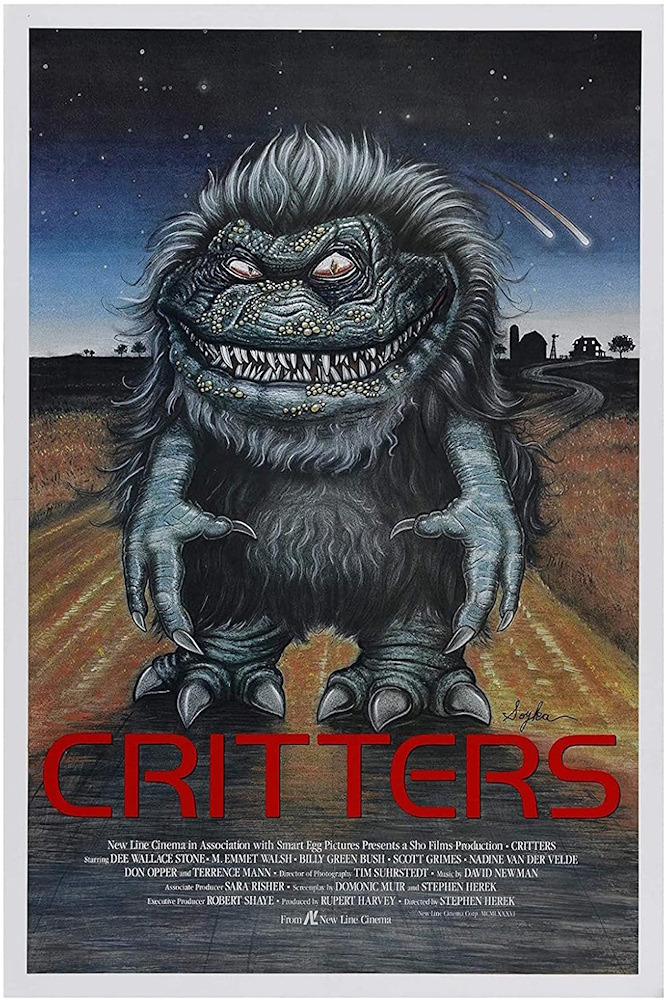
Release Year: 1986
Director: Stephen Herek
Producer: Rupert Harvey
Running Time: 85 Minutes
Budget: $3 Million
Critters follows the story of a small Kansas town that becomes the unintended landing site for a group of tiny, ravenous alien creatures that have escaped from an intergalactic prison. These creatures, known as Critters, are highly intelligent, carnivorous, and capable of rolling into fast-moving balls, making them incredibly dangerous despite their small size. The film centers on the Brown family, who quickly find themselves under siege as the Critters begin attacking livestock and townspeople. With the authorities failing to comprehend the threat, the family must fend for themselves while trying to survive the onslaught.
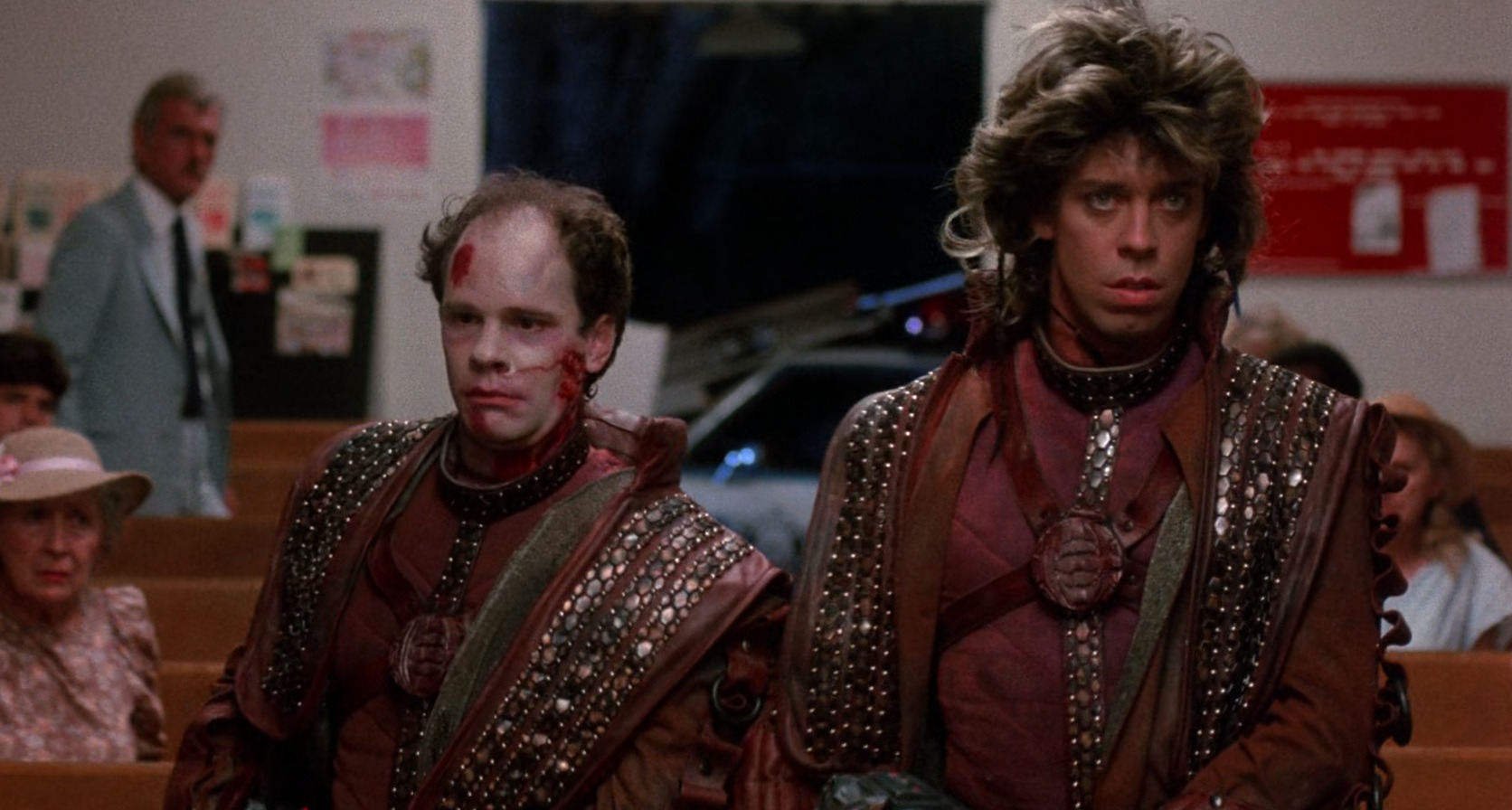
Meanwhile, two intergalactic bounty hunters arrive on Earth, tasked with capturing the Critters before they can escape and cause more chaos. Armed with advanced weaponry and a no-nonsense attitude, the bounty hunters team up with the Browns to track down the creatures and stop their rampage. The film combines elements of horror, suspense, and dark comedy, showcasing the chaos the Critters bring while highlighting the unlikely heroes’ struggle to save their town. It delivers a fast-paced mix of scares and laughs, establishing Critters as a cult favorite in 1980s creature-feature cinema.
Cast
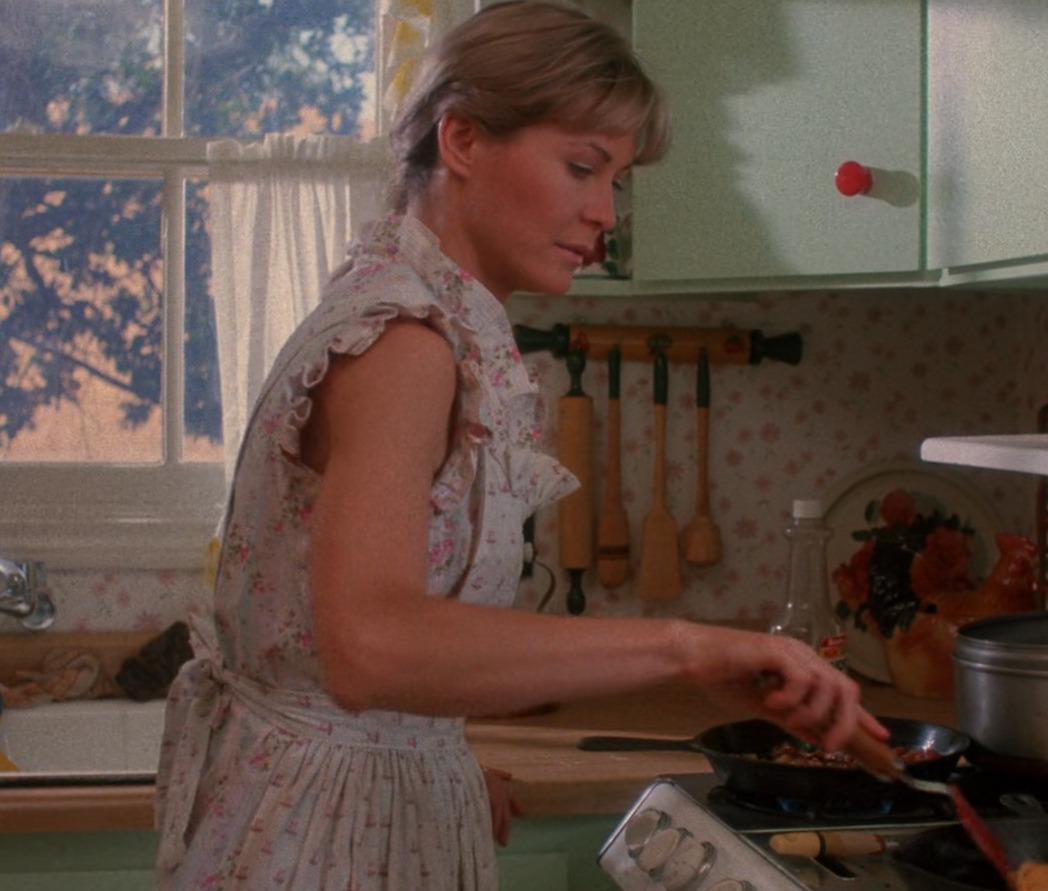
Dee Wallace as Helen Brown
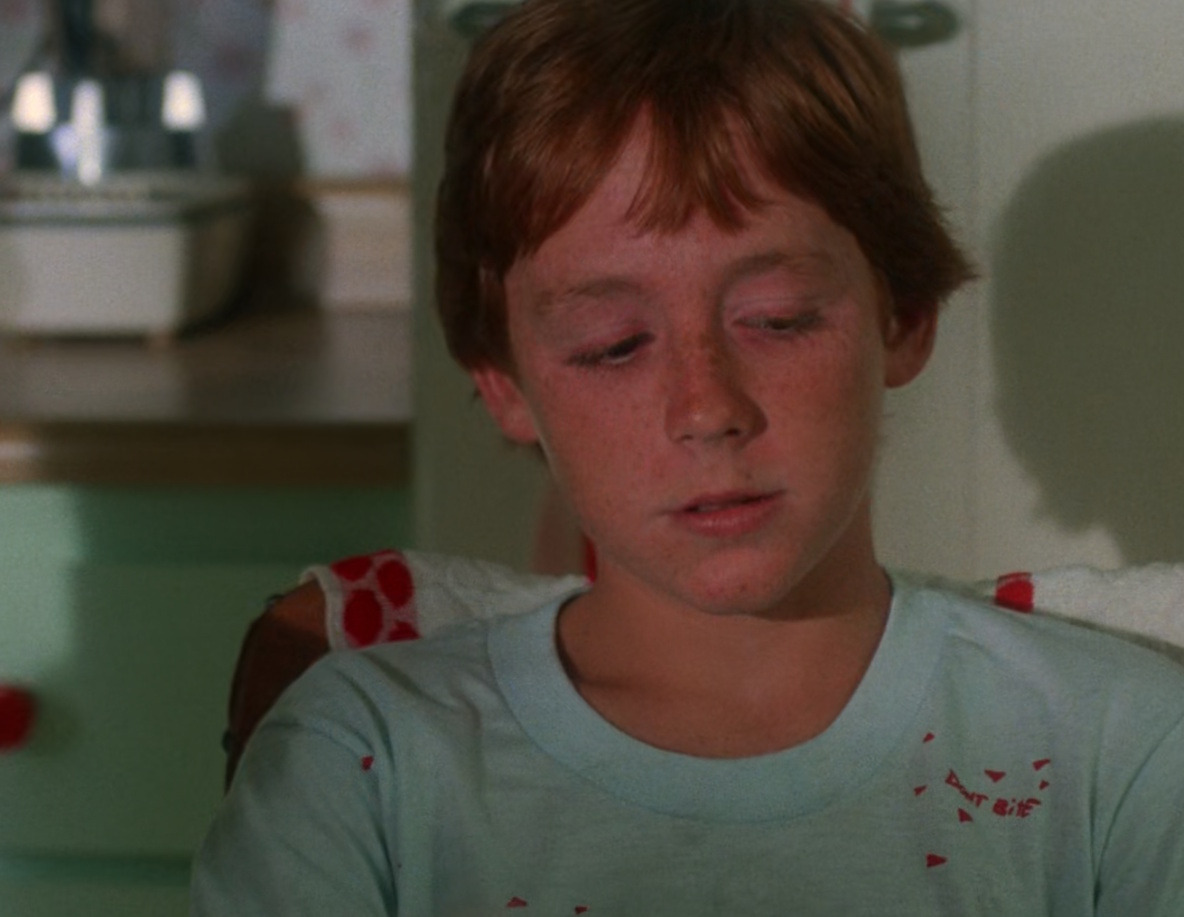
Scott Grimes as Brad Brown
Billy Green Bush as Jay Brown
Lynn Danielson as Nancy Brown
Billy Zane as Josh
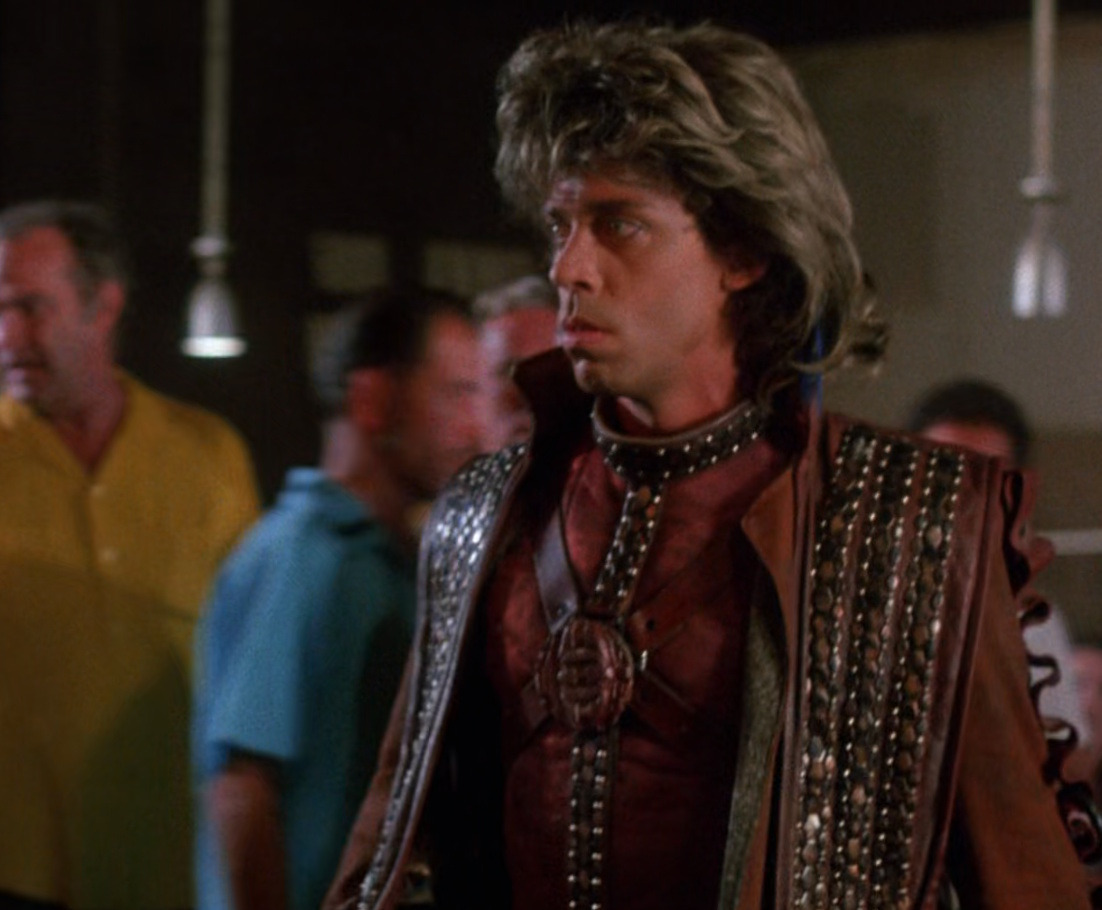
Terrence Mann as Ug
Don Keith Opper as Charlie McFadden
M. Emmet Walsh as Uncle Henry Brown
Lin Shaye as Aunt Patty Brown
Harold Pruett as Johnny Brown
Memorable Quotes
“We're here for the Crites.”
“Smells like oil burning. Smells like cow crap to me, Dad.”
“What's down there? I don't know. Something meaner than hell."
Buy Critters
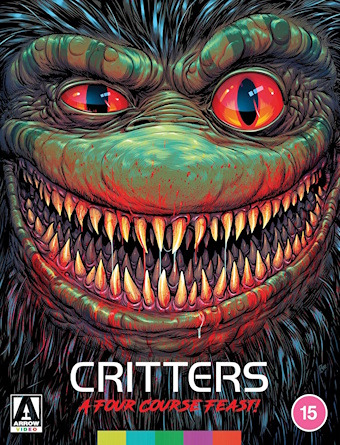
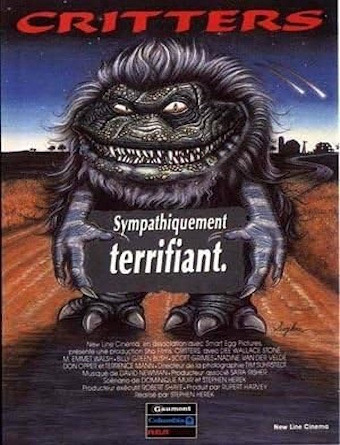
Click one of the Ebay or Amazon buttons below to check the latest prices and purchase Critters.


Review
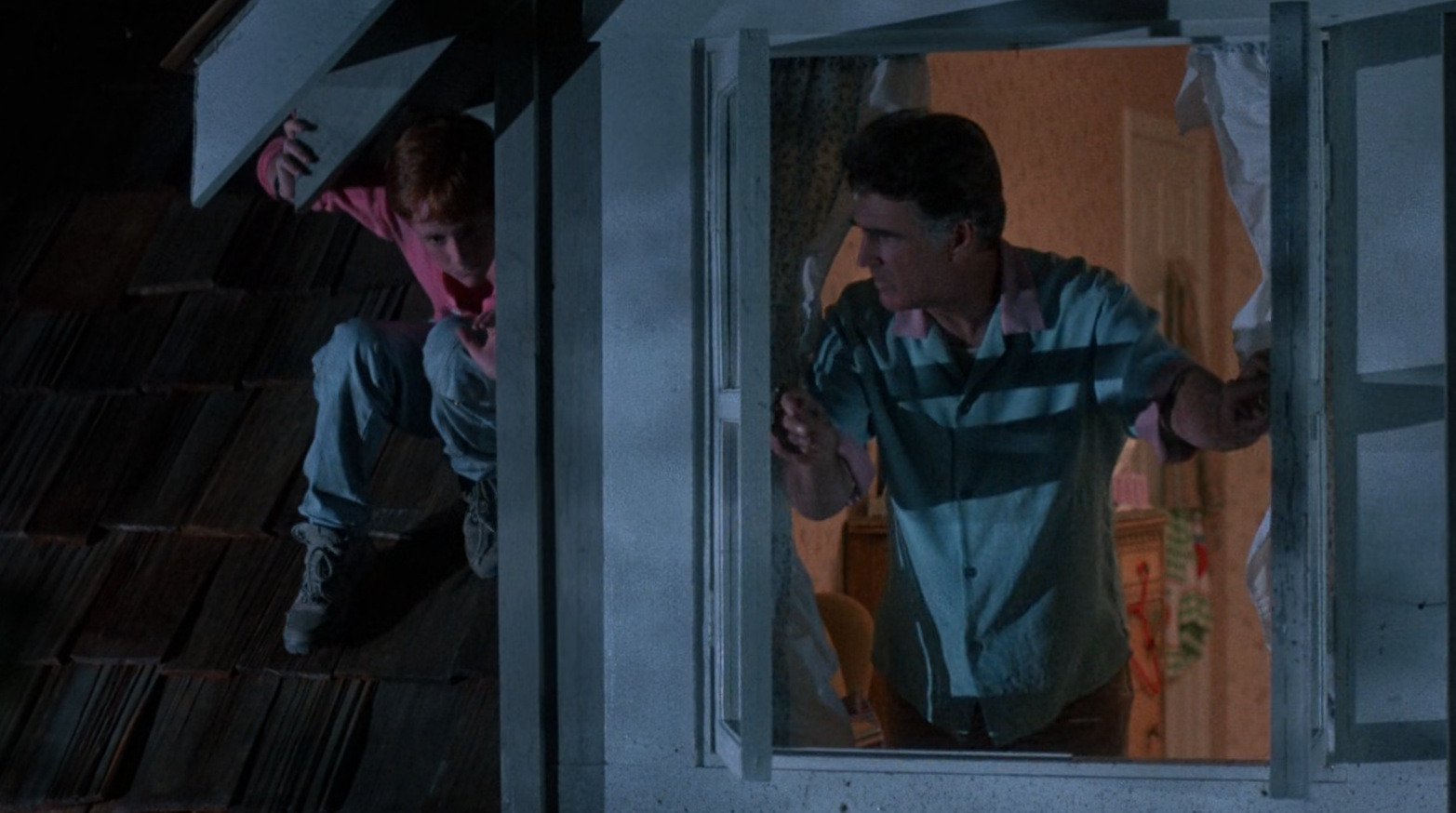
Critters emerges as a lively entry in the 1980s creature-feature genre, combining horror, humor, and science fiction with a surprising amount of charm. Directed by Stephen Herek in his debut, the film tells the story of a small Kansas town besieged by tiny, voracious alien creatures. From the outset, the film establishes a brisk pace, keeping audiences engaged with the escalating chaos as the Critters wreak havoc. The premise may sound familiar to fans of monster movies, yet Critters distinguishes itself with a unique blend of dark comedy and inventive creature design.
One of the film’s strongest aspects is its ensemble cast, led by Dee Wallace, whose grounded performance as Helen Brown provides an emotional anchor amid the mayhem. Scott Grimes and Billy Green Bush contribute to the family dynamic with authenticity, making the audience genuinely invested in their survival. Billy Zane, in one of his early roles, adds charisma as the roguish outsider, while the intergalactic bounty hunters—particularly Terrence Mann’s performance—inject a sense of offbeat humor and adventure that elevates the story beyond standard horror tropes.
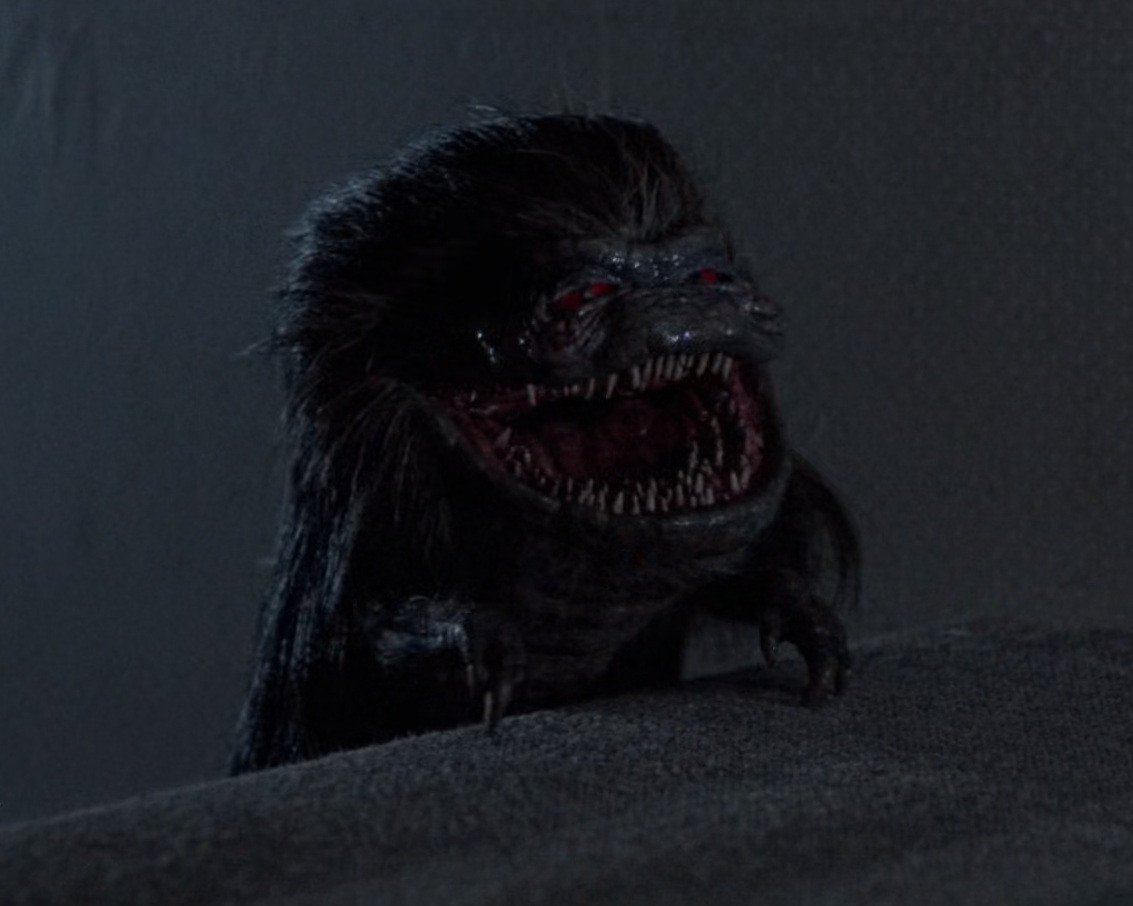
The film’s practical effects deserve particular praise. The Critters themselves, small but menacing, are brought to life with a combination of puppetry and clever camera work. Their mischievous behavior and unpredictable movements create moments of genuine tension, often undercut by humorous antics, which keeps the film from feeling overly grim. The effects may feel dated by today’s standards, yet they retain a tactile quality that digital effects often lack, adding to the film’s enduring appeal.
Stephen Herek’s direction balances suspense with levity, maintaining momentum without overwhelming the viewer. The film never lingers too long on any single scene, a decision that keeps the audience invested and prevents the story from sagging. The screenplay, while straightforward, includes witty dialogue and playful interactions that enhance the film’s comedic undertones. This balance of horror and humor makes Critters accessible to a wider audience, a key reason why it has retained a loyal following over the decades.
Another noteworthy element is the film’s pacing and editing, which heighten the sense of urgency as the Critters multiply and chaos spreads. Scenes of destruction are interspersed with quieter moments of character development, allowing viewers to connect with the Brown family while anticipating the next outbreak of alien mayhem. The film also benefits from a subtle 1980s aesthetic, from its small-town Americana setting to its synth-driven score, which lends the film both charm and a nostalgic atmosphere.
Ultimately, Critters succeeds as an entertaining and imaginative entry in the horror-comedy genre. It demonstrates that a film does not need a massive budget or groundbreaking effects to be memorable; clever writing, charismatic performances, and inventive creature design can create a lasting impact. More than three decades after its release, Critters remains a beloved cult classic, offering a perfect mix of scares, laughs, and quirky 1980s flair that continues to delight fans of monster movies.
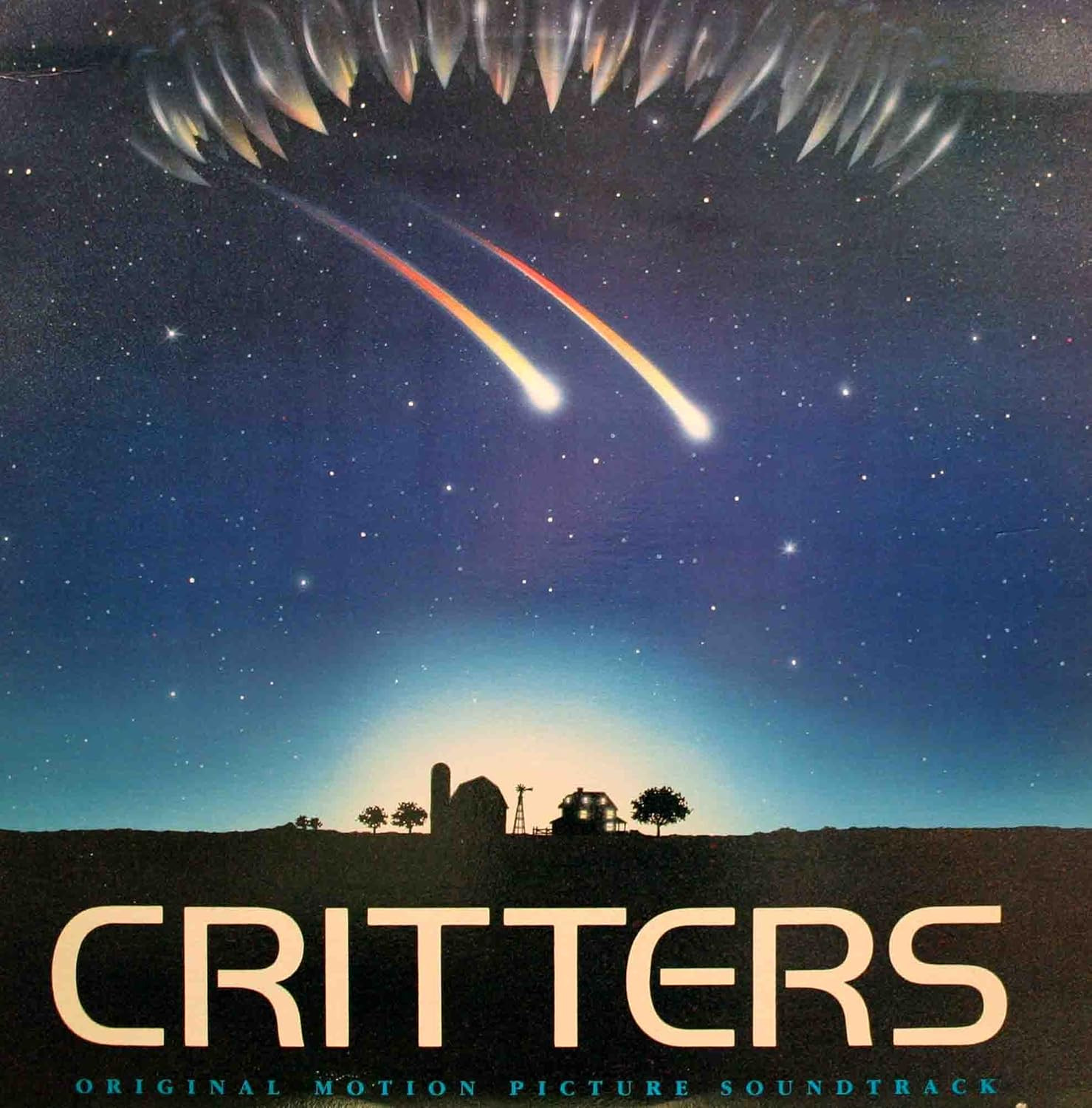
Critters Vinyl Soundtrack
The Critters (1986) soundtrack, composed by David Newman, blends synth-driven suspense with playful cues, perfectly matching the film’s horror-comedy tone. It underscores the chaotic antics of the alien Critters while highlighting the Brown family’s small-town charm, delivering an energetic, nostalgic 1980s atmosphere.
The soundtrack can be purchased through the Amazon and Ebay links below.
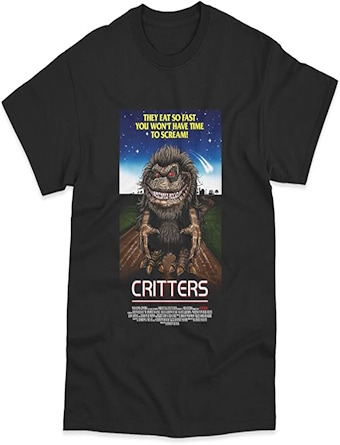
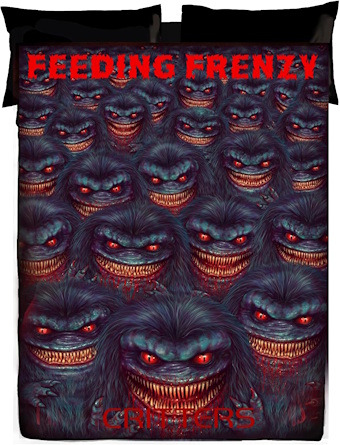
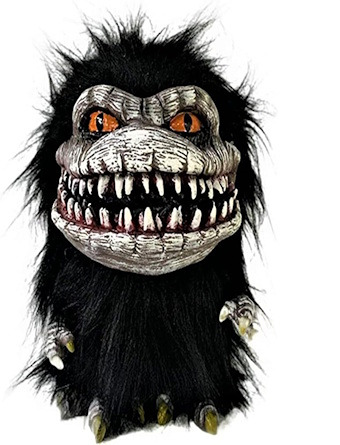
Critters Merchandise
Click one of the Ebay or Amazon buttons below to check the latest prices for that piece of collectable Critters merchandise.
Cultural Context: Release vs. Legacy
When Critters was released in 1986, it arrived at the height of a cultural moment dominated by horror-comedy hybrids and creature features. The mid-1980s saw audiences fascinated by films that mixed scares with humor, following the success of titles like Gremlins (1984). Critters fit neatly into this trend, offering small-town chaos, mischievous monsters, and a sense of playful menace that appealed to both teen and family audiences. Its blend of practical effects, dark humor, and adventurous storytelling reflected a period when American cinema was experimenting with genre-mixing to draw wider audiences.
The film’s release also tapped into a growing fascination with extraterrestrial life and science fiction, fueled by popular culture and media coverage of UFO sightings. By portraying alien invaders in a comedic yet threatening way, Critters captured the imagination of viewers while avoiding the grim seriousness typical of traditional sci-fi horror. Its use of small-town Americana as a backdrop mirrored the era’s nostalgia for suburban life, making the chaos of alien attacks both relatable and entertaining.
In today’s context, Critters occupies a cult status, celebrated for its charm, practical effects, and 1980s aesthetic. Modern audiences view it with a sense of nostalgia, appreciating its blend of humor and horror in contrast to contemporary CGI-heavy creature films. The movie’s influence can be seen in later media that balance scares and comedy, and it remains a reference point for filmmakers and fans interested in the era’s distinct approach to genre cinema.
The film also highlights shifting attitudes toward film production and fandom. In 1986, films like Critters were promoted through traditional trailers, posters, and word-of-mouth, whereas today it thrives in online communities, social media discussions, and retro film screenings. Its enduring popularity demonstrates how cultural touchstones from the 1980s continue to resonate, offering both entertainment and insight into the creative trends and societal moods of the time.
Related Searches
Critters DVD
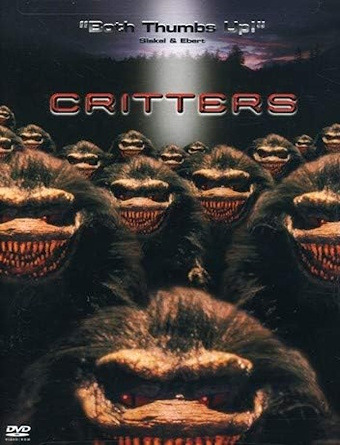
Critters is available on DVD. There are various different versions to consider, search now for....
Critters Blu-Ray
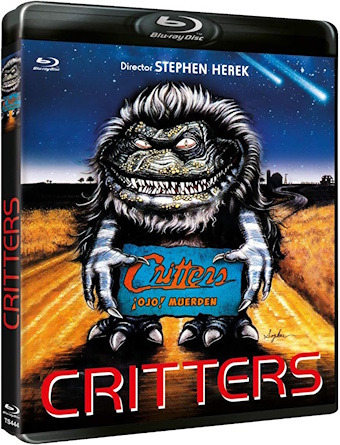
Critters is available on Blu-Ray. There are various different versions to consider, search now for....
Critters Ultra HD
Critters is available on Ultra HD Blu-Ray. There are various different versions to consider, search now for....
Critters Movie Poster
Various posters were created at the time Critters was released. Reproductions of these can now be.....
Critters Watch
There are various different ways you can now watch Critters. This can be via physical media, streaming....
Critters Trailer
There are various trailers available for Critters. Some are from the original theatrical release, others are....
Critters Streaming
Critters is available to stream on a variety of platforms. These are often subject to change, check....
Critters Cast
The cast and characters for Critters can be viewed further up this page.. Alternatively, there are other....
Critters Netflix
Critters may be available to stream on Netflix. Not all territories show the same films at the same time.....
Critters Prime Video
Critters may be available to stream on Prime Video. Not all territories show the same films at the same....