
Microlandia
Buy Microlandia
Click the button below to buy Microlandia.

Microlandia was developed and published by a small indie studio called Information Superhighway Games. The game officially launched on 3 December 2025. As of now, there are no announced ports to consoles or alternate platforms; the game is available on PC, covering Windows, macOS, and Linux. This appears to be the first major project from its developer/publisher, making Microlandia something of a debut.
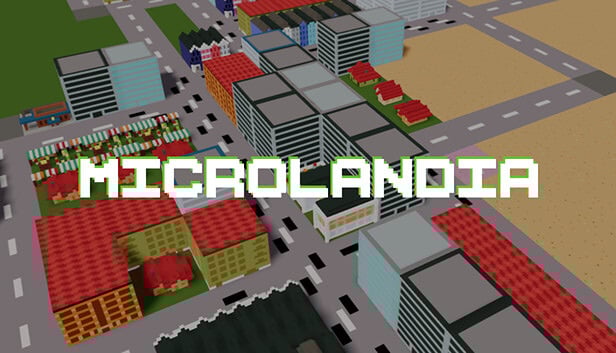
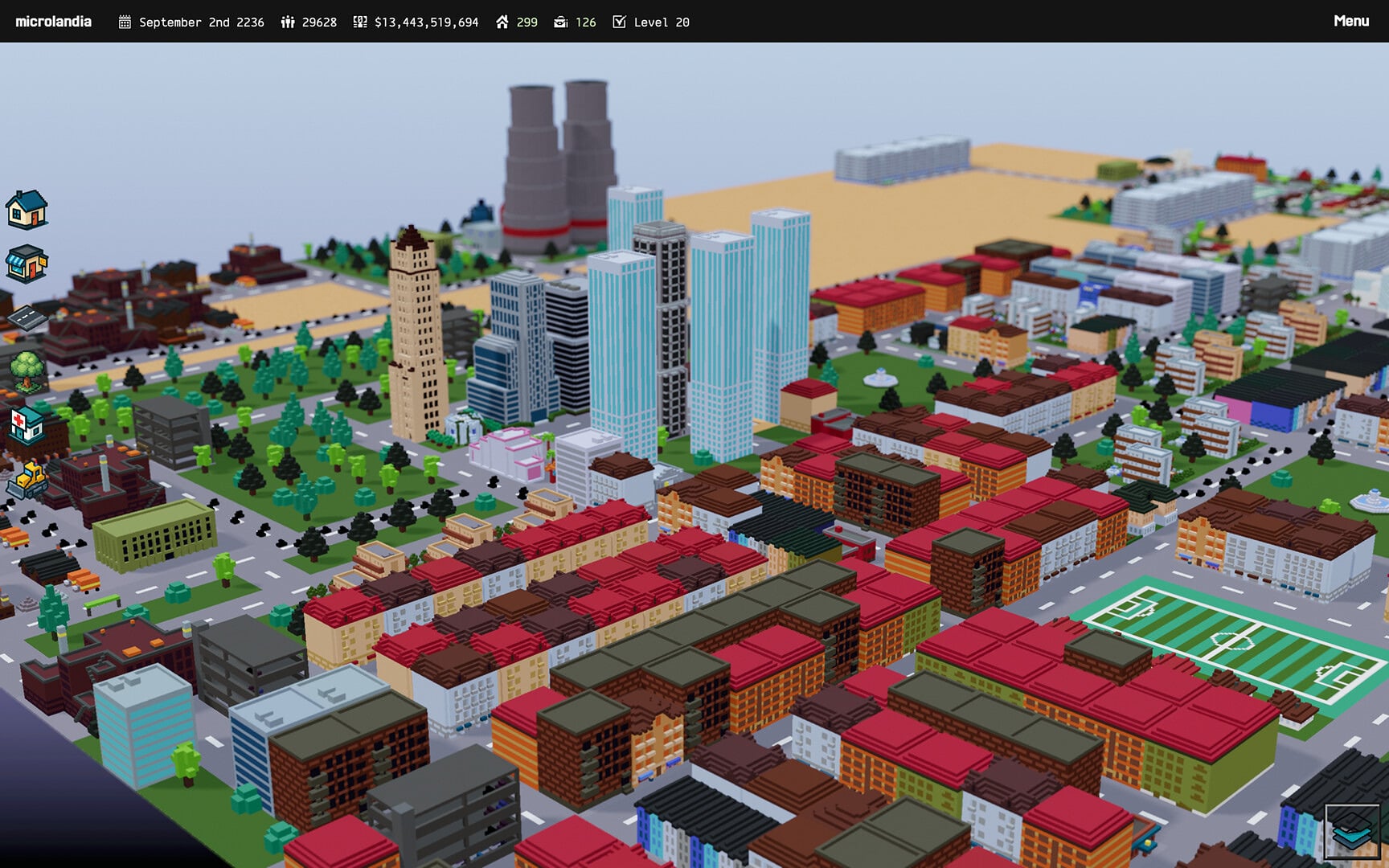
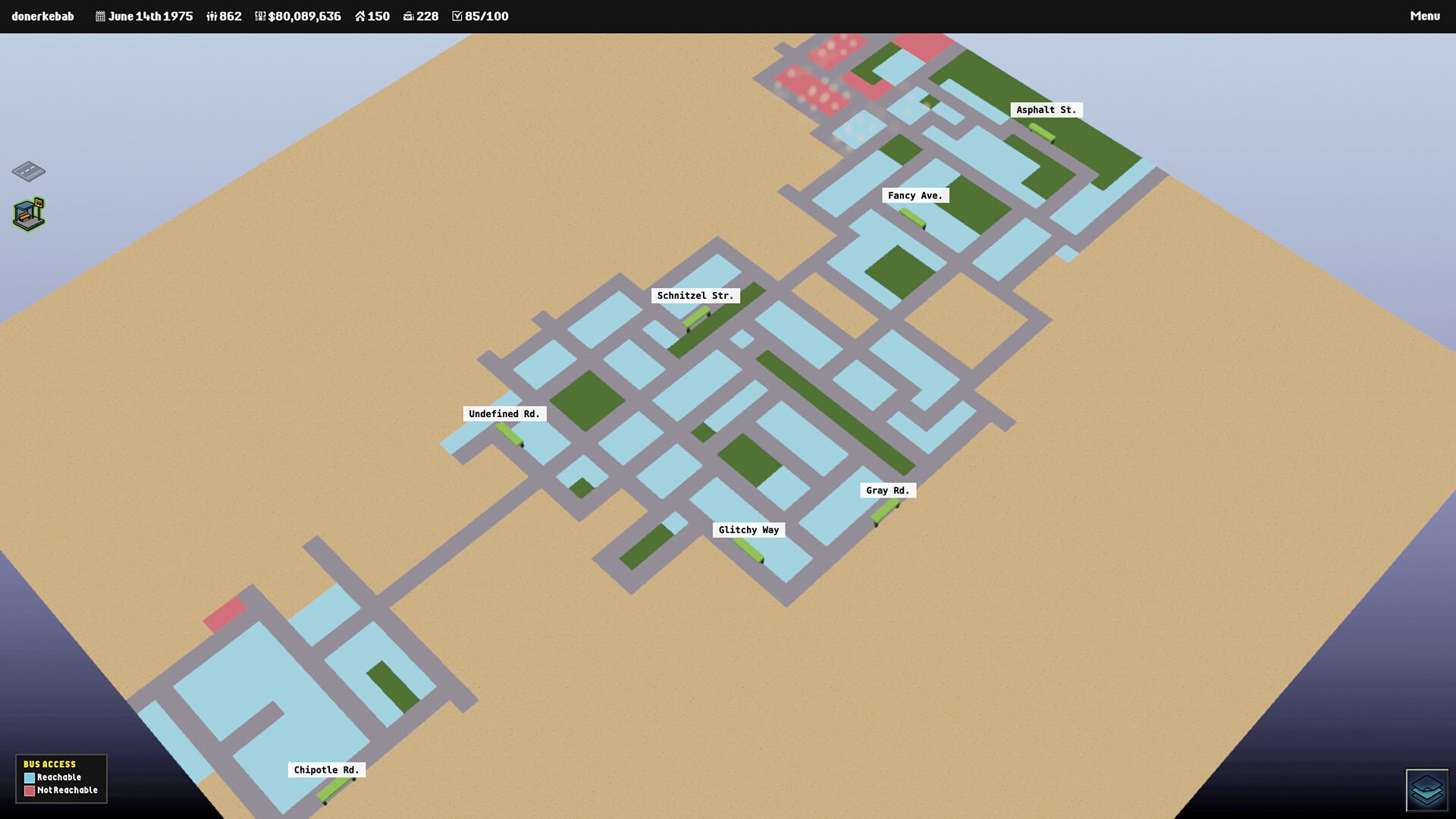
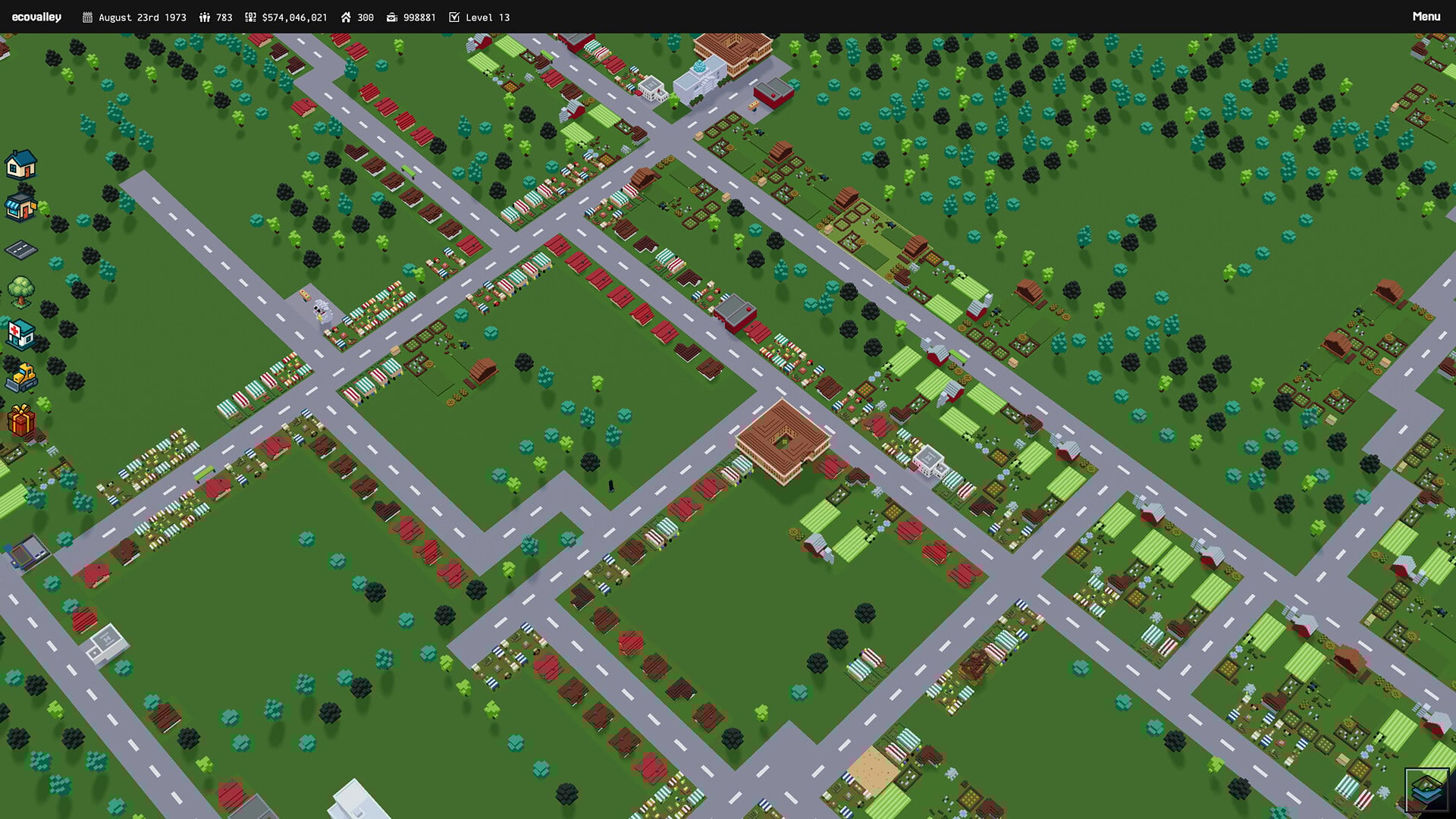
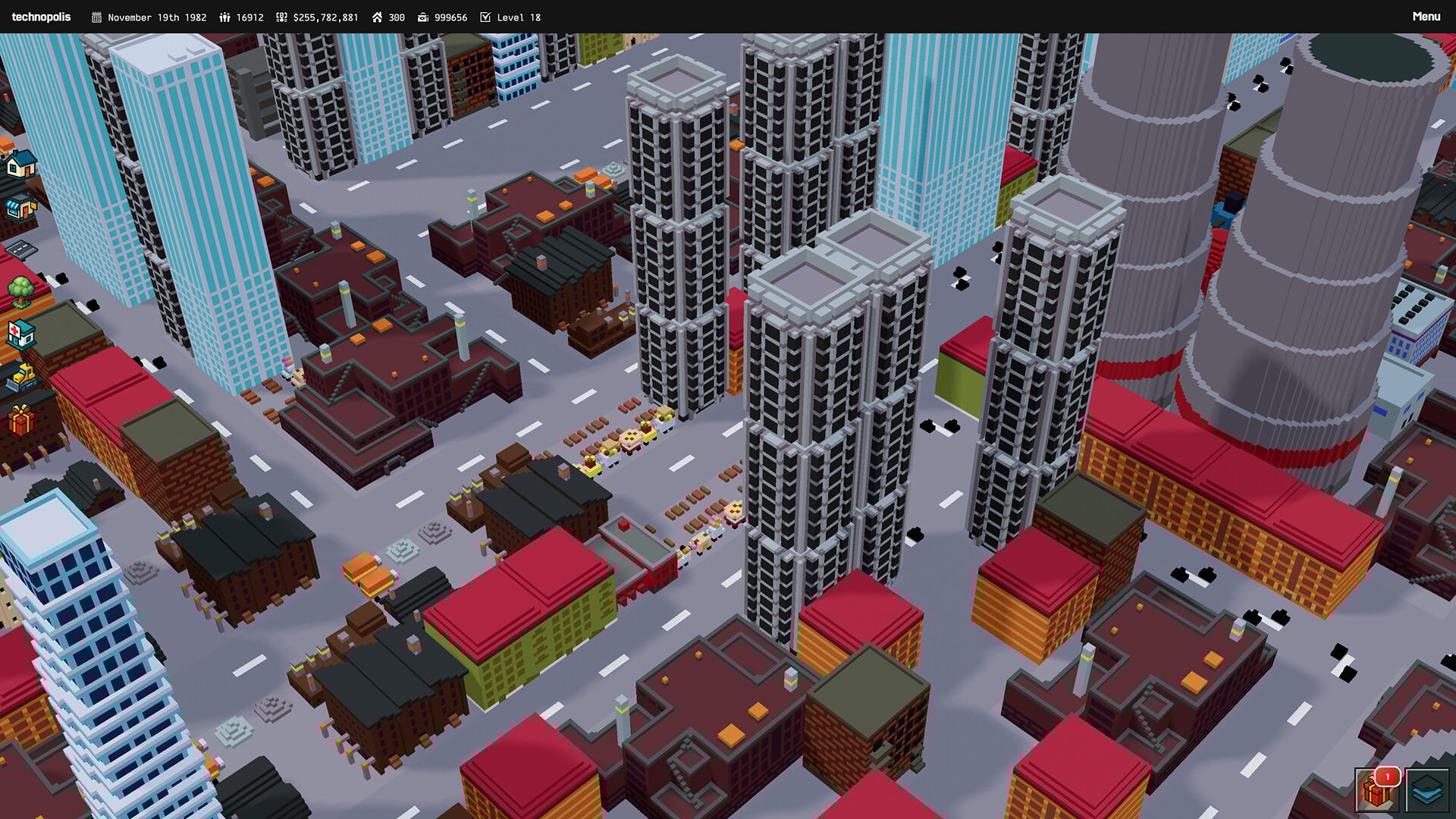
Microlandia is described as a “brutally honest city builder” — a city‑management / simulation game with voxel‑style visuals inspired by classic city‑building games, but underpinned by a complex, data-driven simulation. Unlike many city sims that simplify or abstract social and economic issues, in Microlandia everyday life is modelled in realistic detail: citizens can get sick and die if there’s no hospital capacity, people can be fired if traffic makes them late, rents and housing can spike, landlords can become greedy, and unemployment or corporate failures have real consequences. Players must juggle taxation, public services, zoning, infrastructure, business management, and social welfare — and face the difficulties of unemployment, homelessness, poverty cycles, and the risks and costs of urban development. The simulation also tries to mirror real-world data and societal variables (demographics, employment, health, housing, economics) to create a more realistic, less forgiving city-building experience.
In promoting Microlandia, the developers and early coverage pitched it as a city-builder that refuses to sugarcoat — a game where life in your city can be harsh, where “roads bleed budgets” and decisions have serious social consequences. The game was marketed as a counter‑point to more optimistic or simplified city sims, targeting players who want a more grounded and socially realistic simulation. With its vow to model homelessness, economic inequality, healthcare, employment, and social instability — rather than gloss over them — the game stands out for ambition and seriousness. Early attention in gaming news and indie‑game circles emphasised that this is a city‑builder that might make you think twice before simply zoning a residential block — because it carries real human consequences for its virtual citizens.
Because Microlandia is brand new, there are no formal user or critic reviews yet on its store page. That said, early community feedback (from forums, social‑media posts, and early-access players) is largely one of intrigue and cautious optimism. Some players appreciate the concept — the ambition, the social realism, and the challenge of balancing budgets, housing, health, and inequality. A post announcing version 1.0 launch on a city‑builder forum highlighted the developer’s gratitude toward early testers and promises of ambitious plans ahead, including deeper simulation mechanics and ongoing updates. Others note early technical roughness: some report that larger cities — especially with tens of thousands of residents — can become sluggish unless they lower graphics or simulation settings. Overall, among niche fans of city‑builders who like realism over escapism, Microlandia seems to have generated a modest but engaged following, with hopes that continued development will cement its niche.
Related Searches
Microlandia Download
Microlandia is available to purchase and download from a range of vendors.....
Microlandia Key
There are a wide range of resellers that may offer keys for Microlandia. This is often....
Microlandia Review
The Steam store provides a review system enabling you to make an informed choice before buying this....
Microlandia Tutorial
There are many tutorials available to view around the internet, particularly on Youtube. These will....
Microlandia Free
Microlandia is available to download from the link shown further up this page. This is the official way to.....
Microlandia Manual
Although there may not be a manual currently listed on the Steam store page, there are hundreds of guides out...
Microlandia PlayStation
At the time of publishing, Microlandia is not available on the PlayStation platform....
Microlandia Xbox
At the time of publishing, Microlandia is not available on the Xbox platform. There...
Microlandia Release Date
Microlandia was initially released on the Steam platform on 3rd December 2025......
Microlandia Updates
The developers of Microlandia offer regular updates to the game. For more...