

Physical TRAIN
Buy Physical TRAIN
Click the button below to buy Physical TRAIN.

Physical TRAIN is developed and published by a small indie studio called Cham‑gaming. The game launched in Early Access on 3 December 2025. As of now, there are no announced ports to consoles or alternate platform versions — the release is focused on PC (Windows, and reportedly also supports macOS / Linux compatibility according to some storefront references).
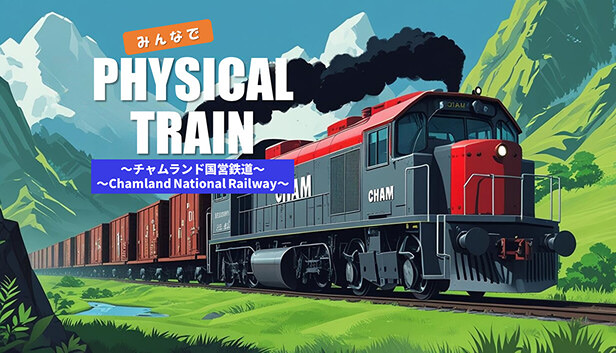
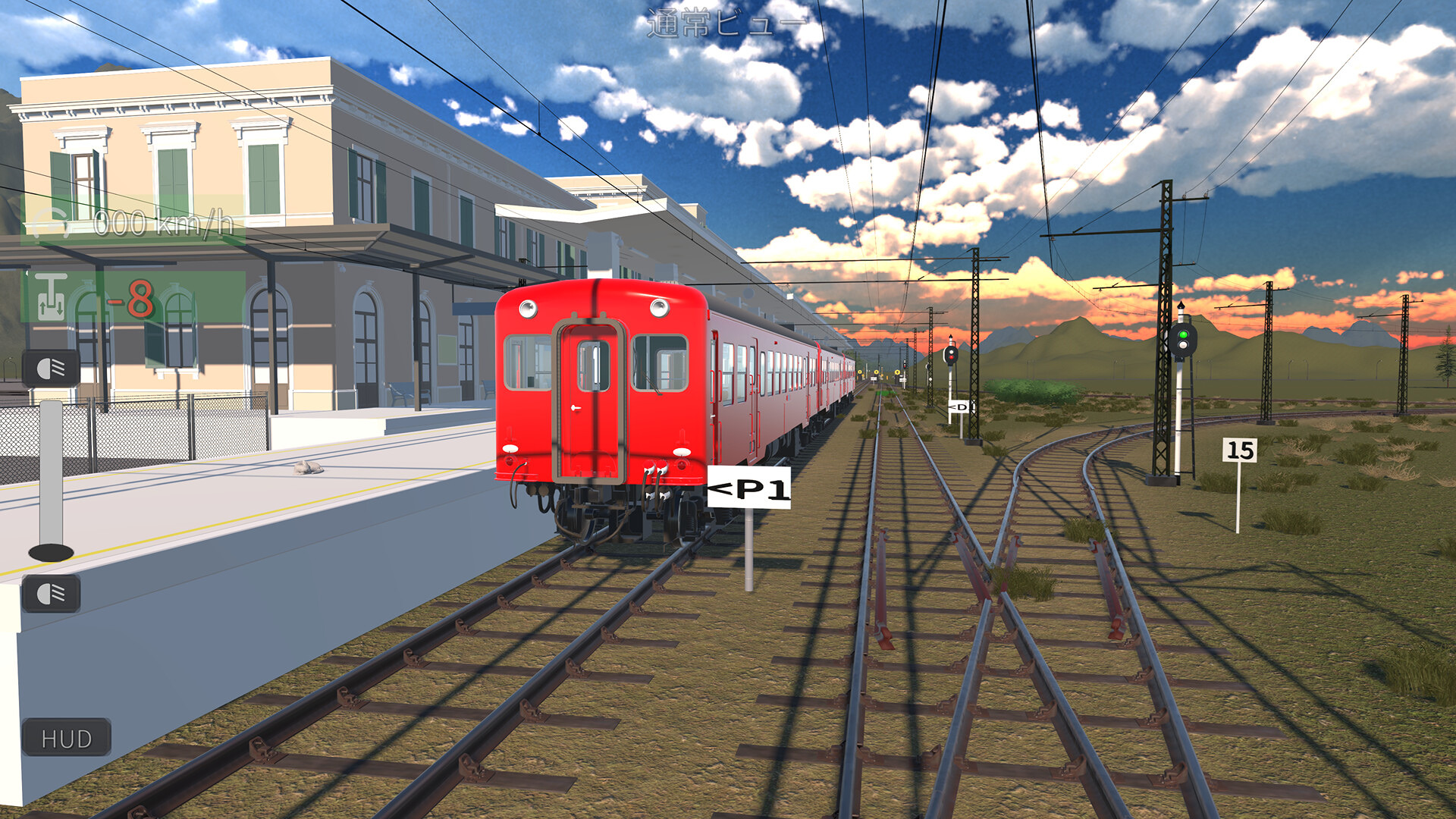
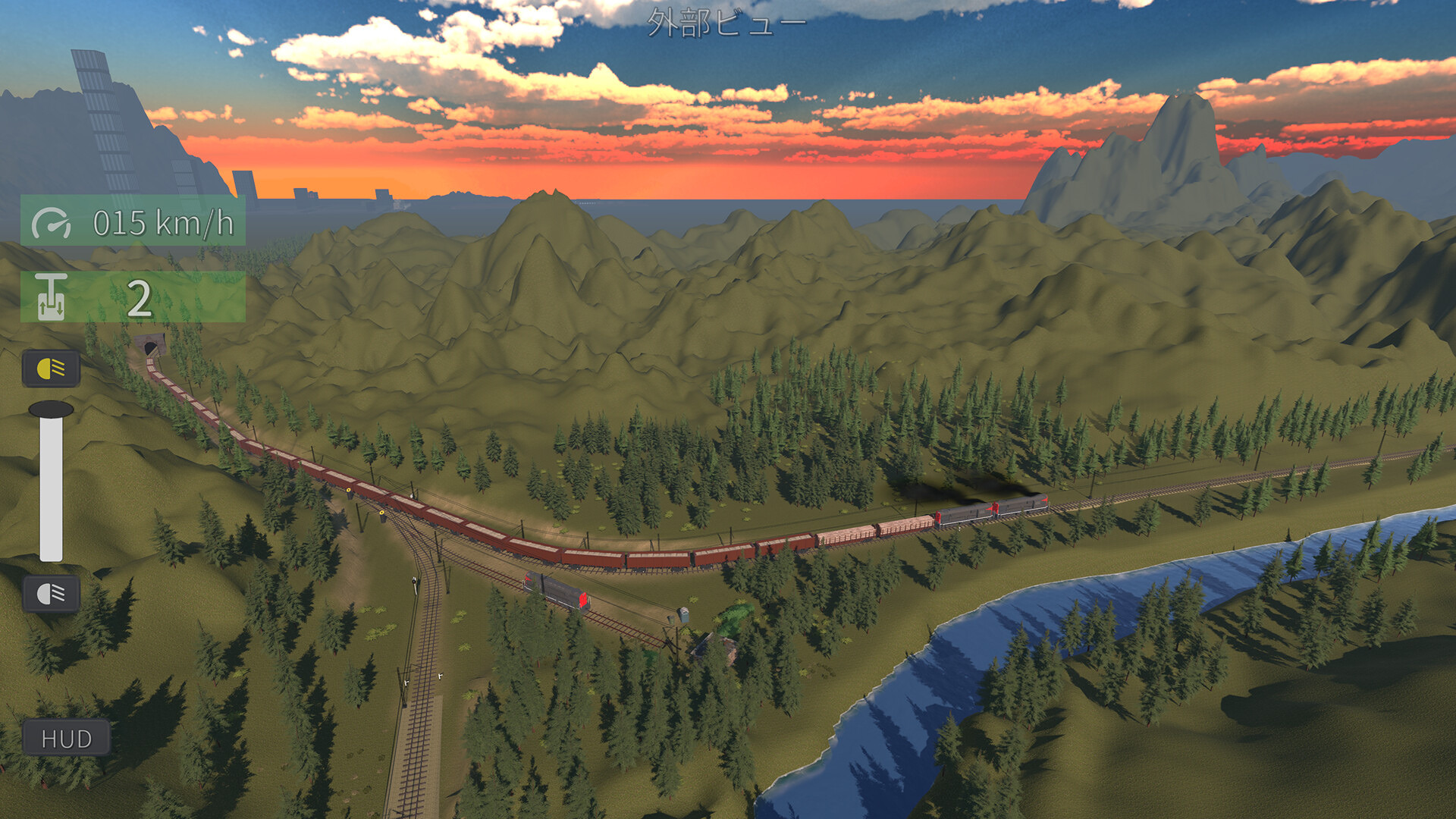
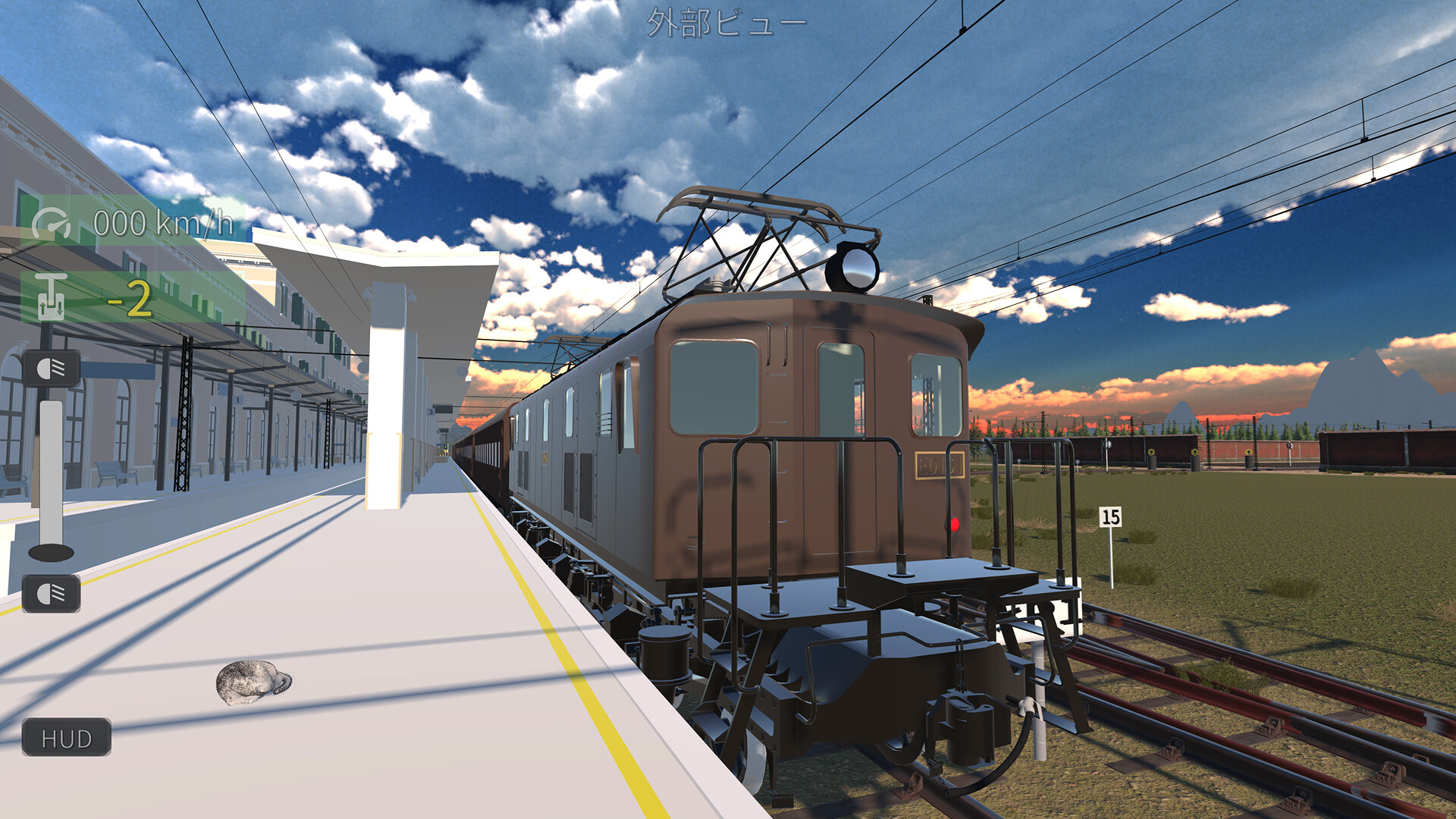
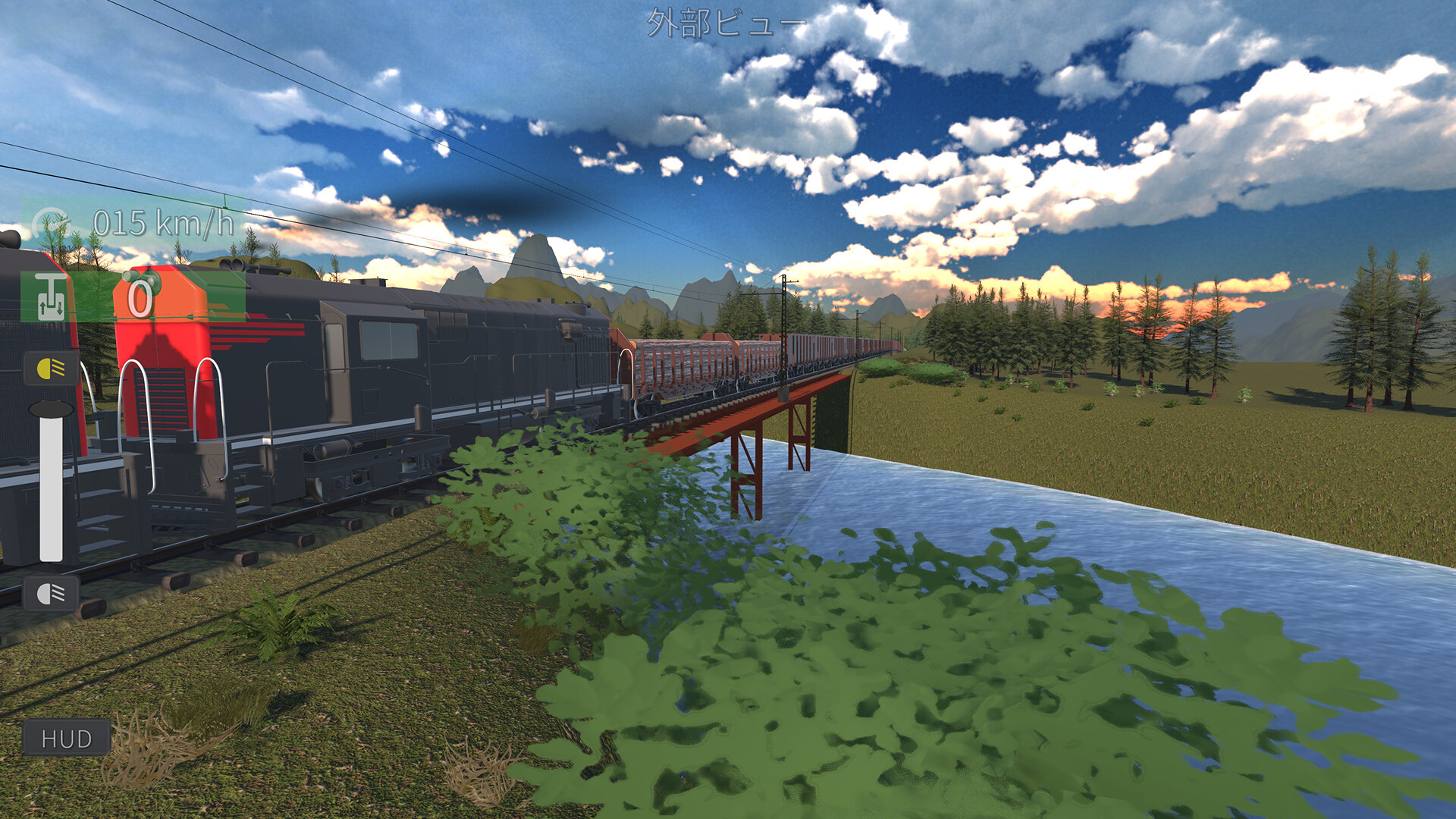
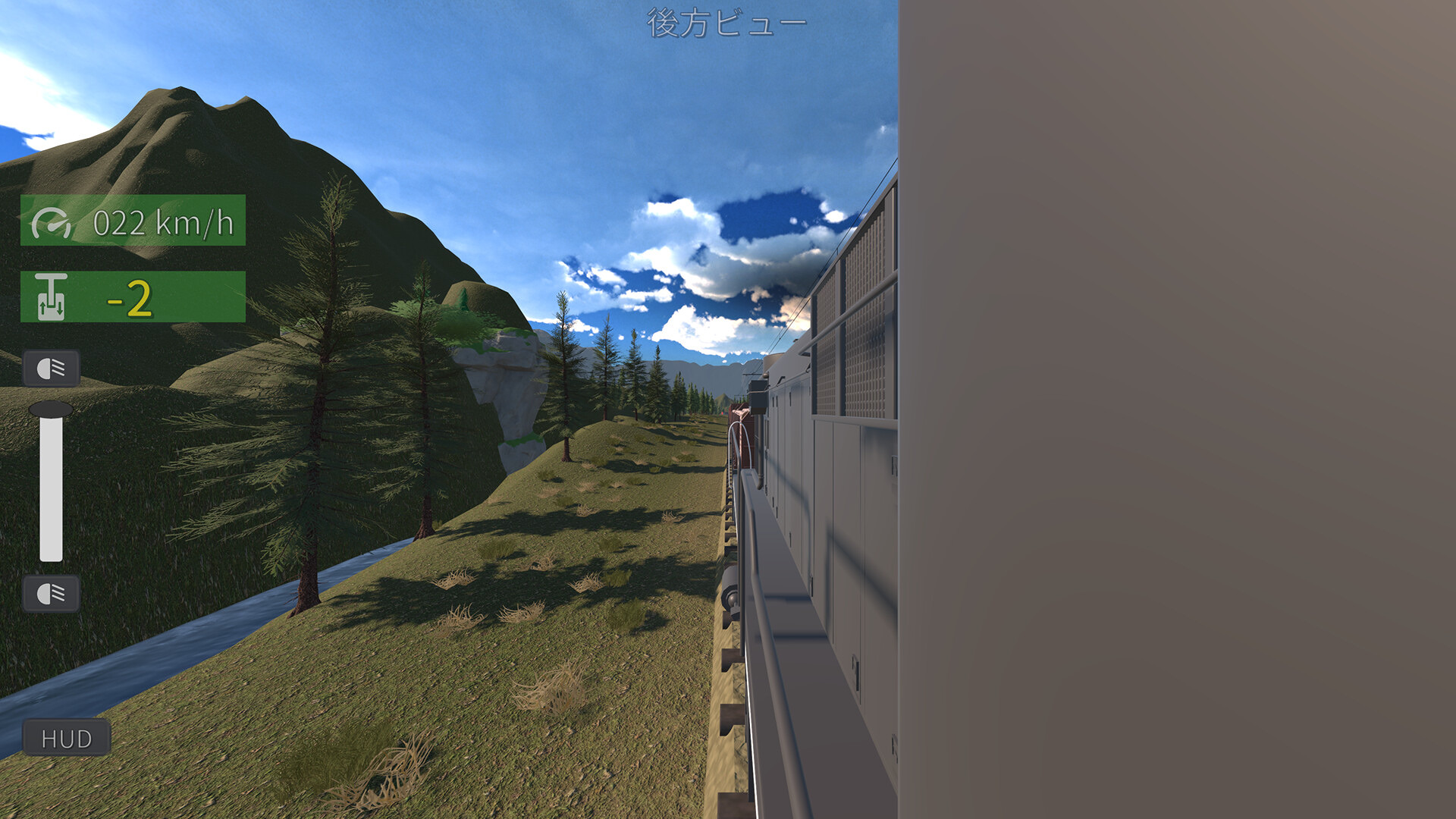
The core design of Physical TRAIN is as a realistic railway simulator set in the fictional mountainous republic of Chamland. The game emphasises physics‑based wheel‑on‑rail simulation: it’s not a predetermined, simplified “on‑rails” system — instead the wheels are modelled to roll on the rails, accounting for track geometry and real‑world physics. Players drive trains through handcrafted routes that include diverse environments: lakeside lines, mountain passes, industrial districts and more. The gameplay includes a mission system tied to the growth and development of Chamland: completing missions helps open new routes, expand rolling stock, and contribute to the fictional nation’s progress. There is also a light “social/co‑op” layer: although it is not a multiplayer sim in the traditional sense, players can share mission results, give each other “likes,” and collectively influence Chamland’s development.
In promoting Physical TRAIN, the developer leaned heavily on its realism and ambition. Marketing materials and early announcements highlighted the physical driving feel, handcrafted routes rather than procedurally generated or generic tracks, and a vision of building up a fictional country through realistic rail‑sim gameplay. The developer has described the Early Access release as the beginning of a longer development journey: over roughly a year, they plan to expand the world, add more routes, new vehicles, events, and refine user experience (UI, physics, performance). The presence of a playable demo prior to launch — and direct engagement with community feedback — was also part of the pitch, signalling a development philosophy that values player input.
Since the release is so recent, there are almost no formal reviews yet. On the game’s store page, only a single user review exists, which isn’t enough to form a consensus. That said, early discussion on train‑simulation forums and communities shows a mix of cautious interest and realistic expectations. Some players have expressed excitement at finally seeing a physics‑driven train simulator that aims for realism, praising the concept of real wheel‑on‑rail physics and handcrafted, varied routes. Others — while hopeful — note that the current build seems minimal: as yet the content is limited, and many of the promised features (expanded routes, more rolling stock, deeper nation‑building mechanics) remain future goals. Overall, among niche rail‑sim fans there is a sense of optimism — tempered by the understanding that Physical TRAIN is still very much a work in progress.
Related Searches
Physical TRAIN Download
Physical TRAIN is available to purchase and download from a range of vendors.....
Physical TRAIN Key
There are a wide range of resellers that may offer keys for Physical TRAIN. This is often....
Physical TRAIN Review
The Steam store provides a review system enabling you to make an informed choice before buying this....
Physical TRAIN Tutorial
There are many tutorials available to view around the internet, particularly on Youtube. These will....
Physical TRAIN Free
Physical TRAIN is available to download from the link shown further up this page. This is the official way to.....
Physical TRAIN Manual
Although there may not be a manual currently listed on the Steam store page, there are hundreds of guides out...
Physical TRAIN PlayStation
At the time of publishing, Physical TRAIN is not available on the PlayStation platform....
Physical TRAIN Xbox
At the time of publishing, Physical TRAIN is not available on the Xbox platform. There...
Physical TRAIN Release Date
Physical TRAIN was initially released on the Steam platform on 3rd December 2025......
Physical TRAIN Updates
The developers of Physical TRAIN offer regular updates to the game. For more...