

They Live
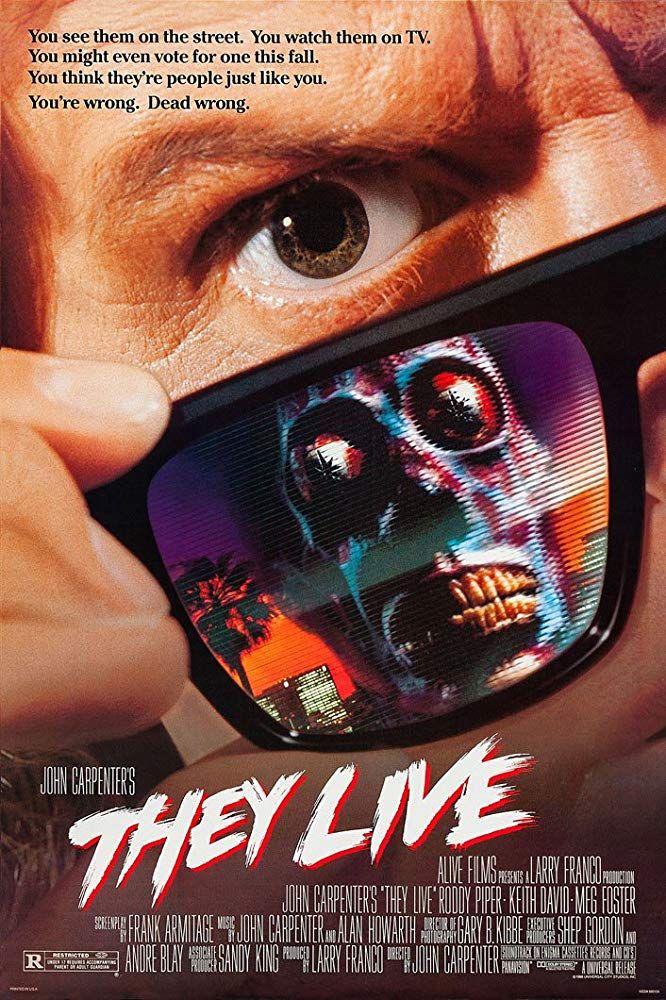
Release Year: 1988
Director: John Carpenter
Producer: Larry Franco
Running Time: 94 Minutes
Budget: $3 Million
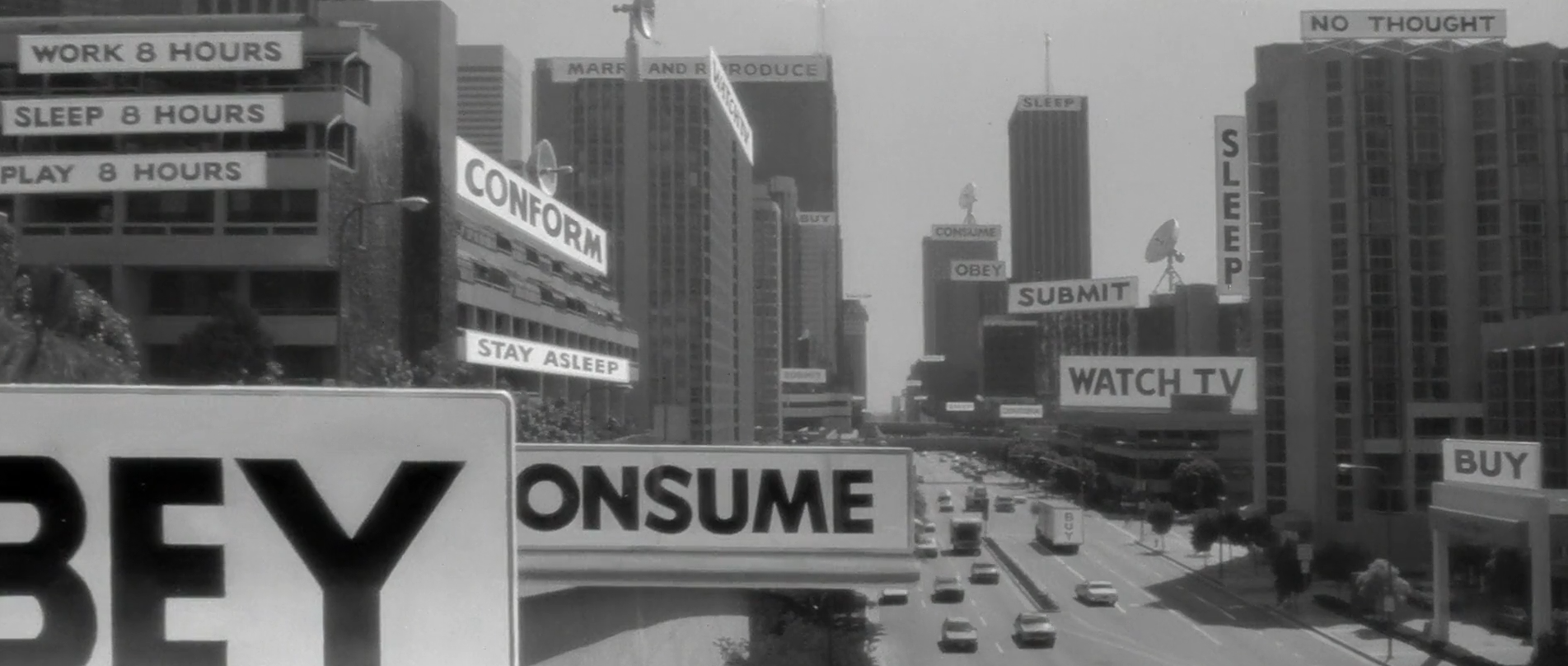
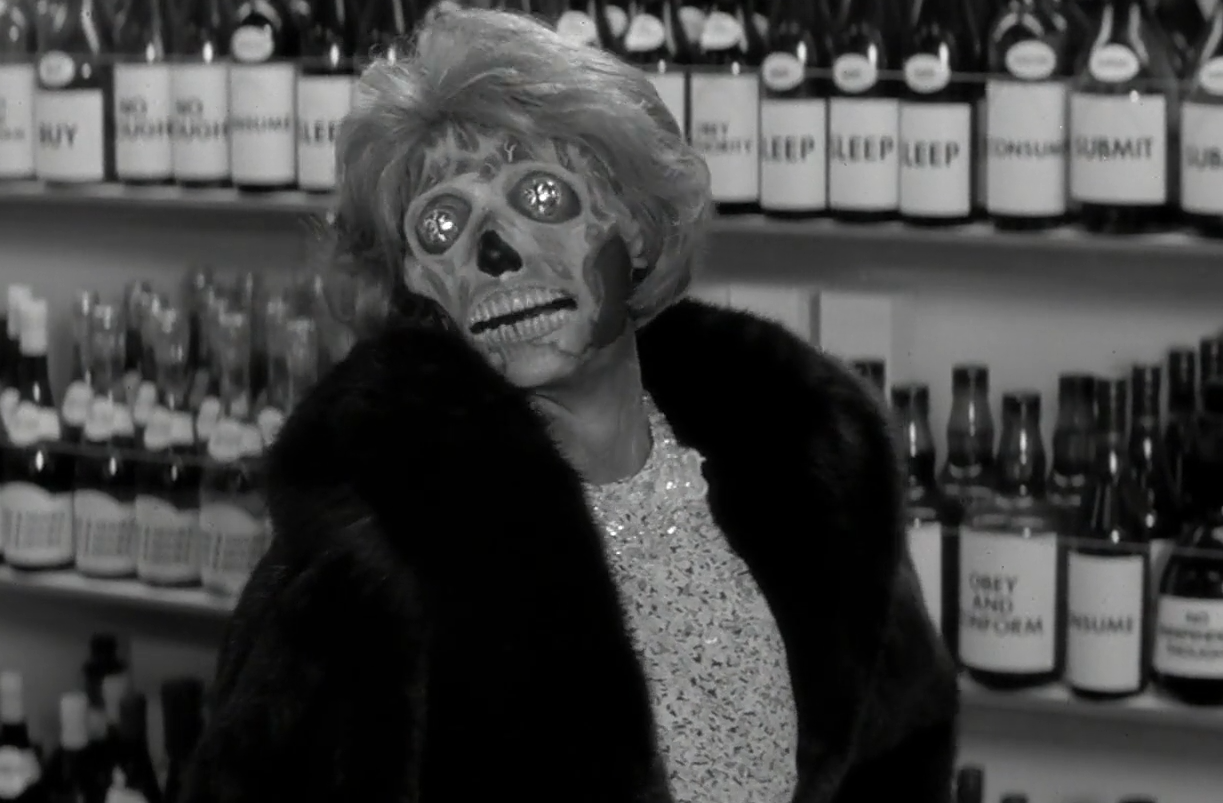
They Live is a 1988 sci-fi thriller directed by John Carpenter that blends action, horror, and sharp social commentary. The film follows drifter John Nada as he arrives in Los Angeles seeking work, only to uncover a shocking alien conspiracy. When Nada discovers a special pair of sunglasses, he sees the truth behind the world around him: aliens disguised as humans secretly control society, using subliminal messages in advertisements, television, and media to manipulate people into obedience and consumption.
As Nada joins a small group of rebels fighting to expose the extraterrestrial infiltration, the story escalates into a pulse-pounding struggle for humanity’s freedom. Known for its memorable fight scenes, iconic one-liners, and cult status among sci-fi fans, They Live remains a defining work in John Carpenter’s filmography. The movie continues to resonate as a critique of consumerism, authority, and hidden societal control, making it a must-watch alien conspiracy movie for fans of 1980s science fiction thrillers.
Cast
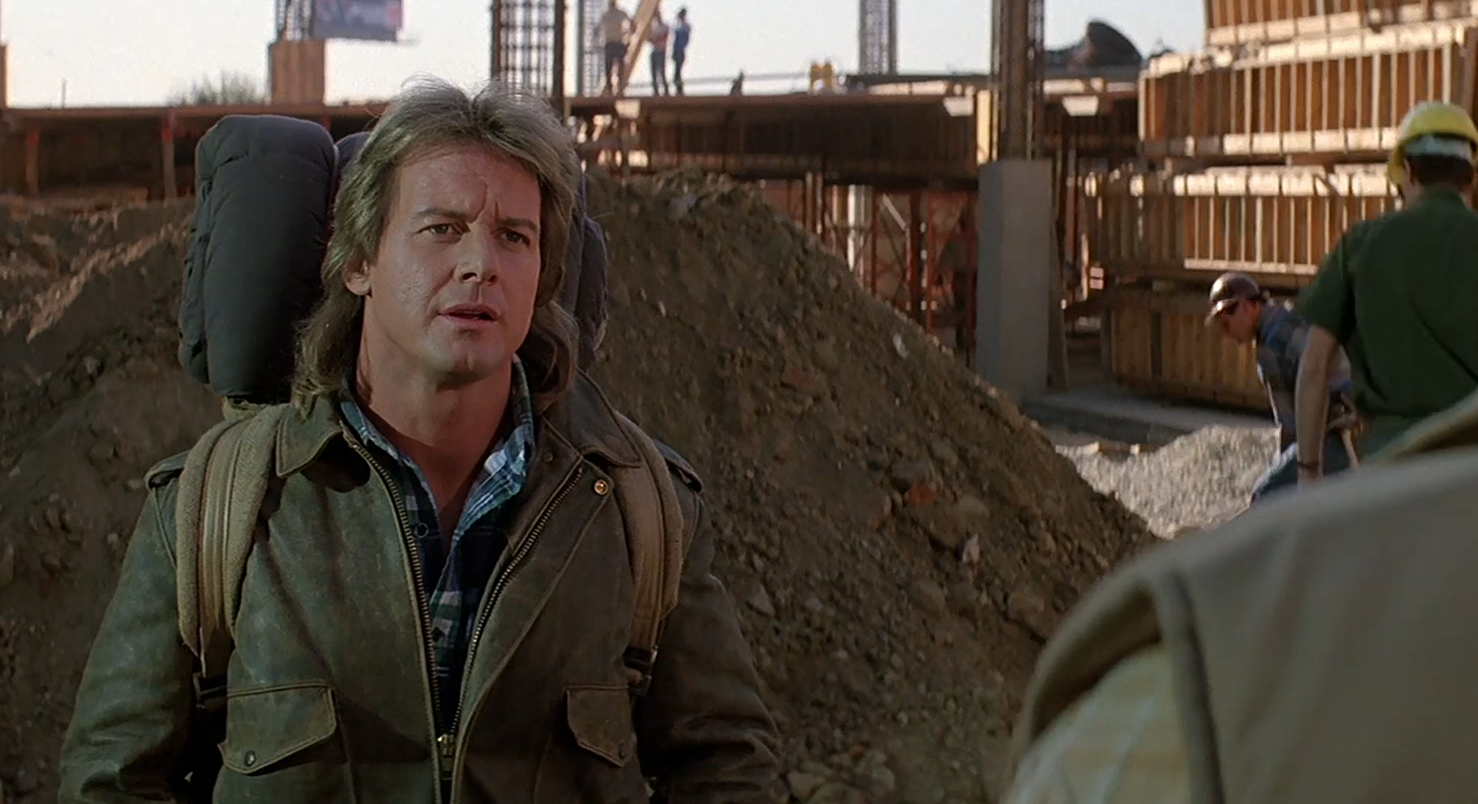
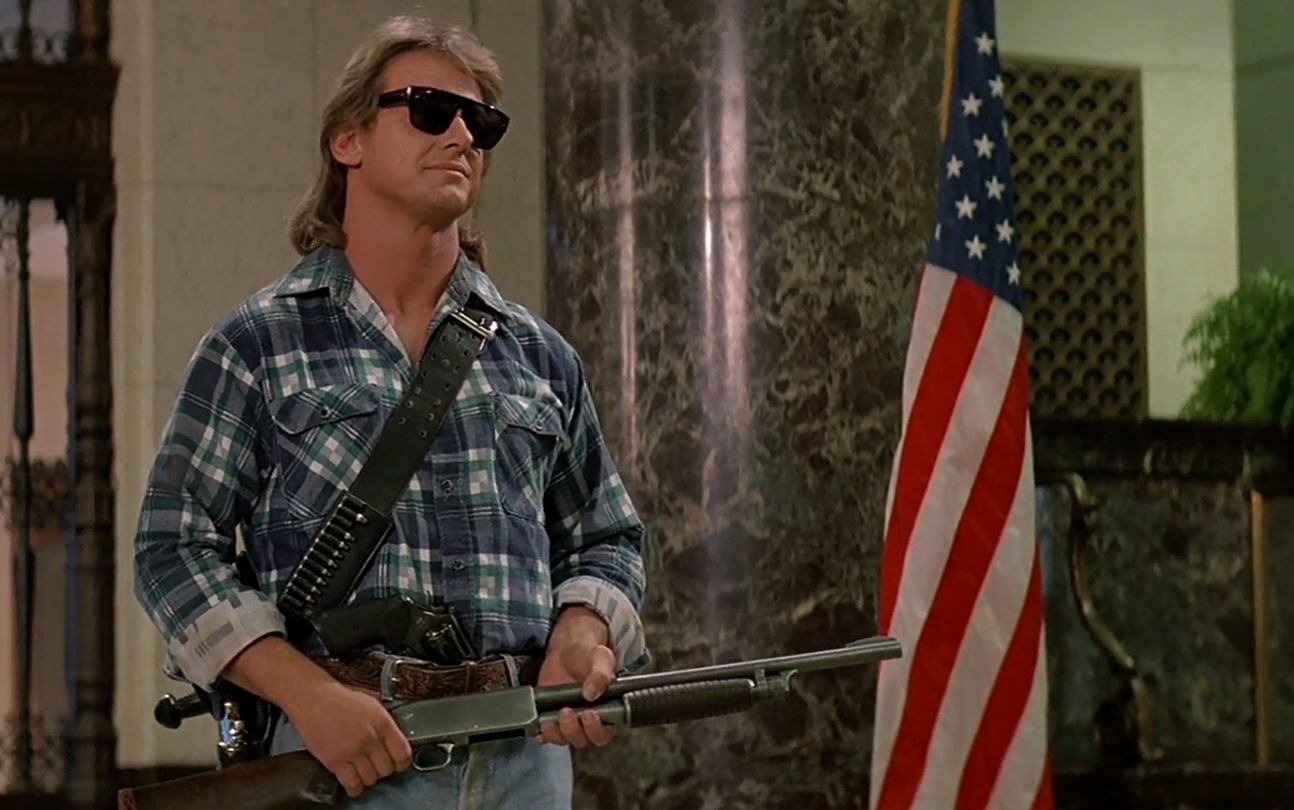
Roddy Piper as John Nada
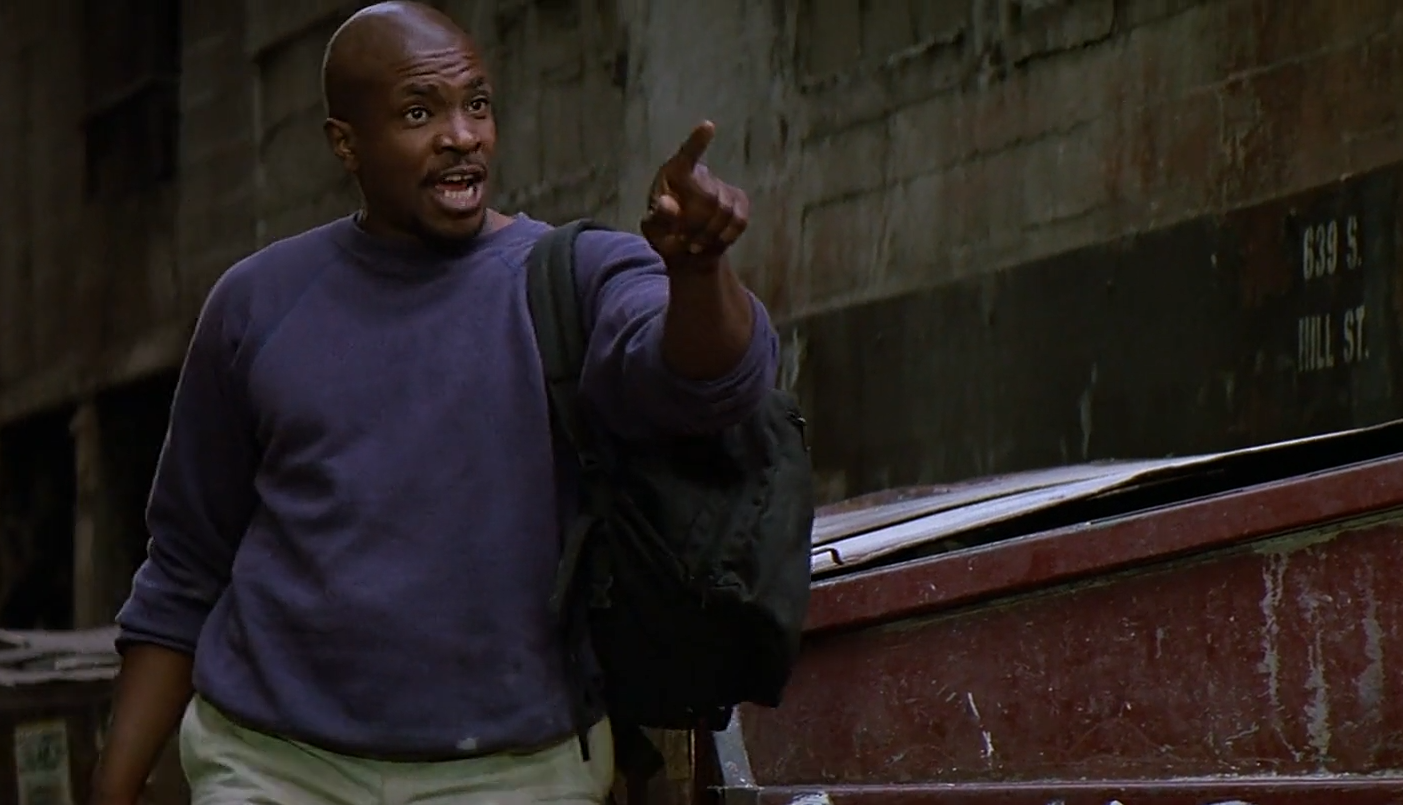
Keith David as Frank Armitage
Meg Foster as Holly Thompson
George “Buck” Flower as Gilbert
Peter Jason as Dr. Nathaniel “Nathan” Kaufman
Raymond St. Jacques as Dr. G. B. Reese
Richard Belzer as Street Punk
Timothy Farrell as Bill
Walter P. Allen as Alien Leader
John Davis Chandler as Prowler
Memorable Quotes
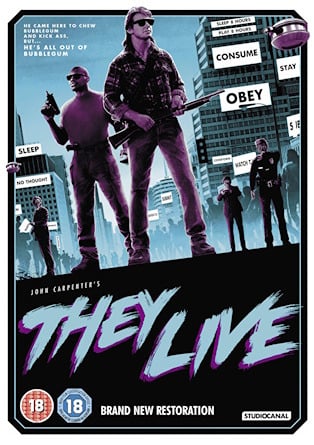
“I have come here to chew bubblegum and kick ass… and I’m all out of bubblegum.”
“You know, you look like your head fell in the cheese dip back in 1957.”
“I'm giving you a choice: either put on these glasses or start eatin' that trash can.”
Buy They Live
Click one of the Ebay or Amazon buttons below to check the latest prices and purchase They Live.


Review
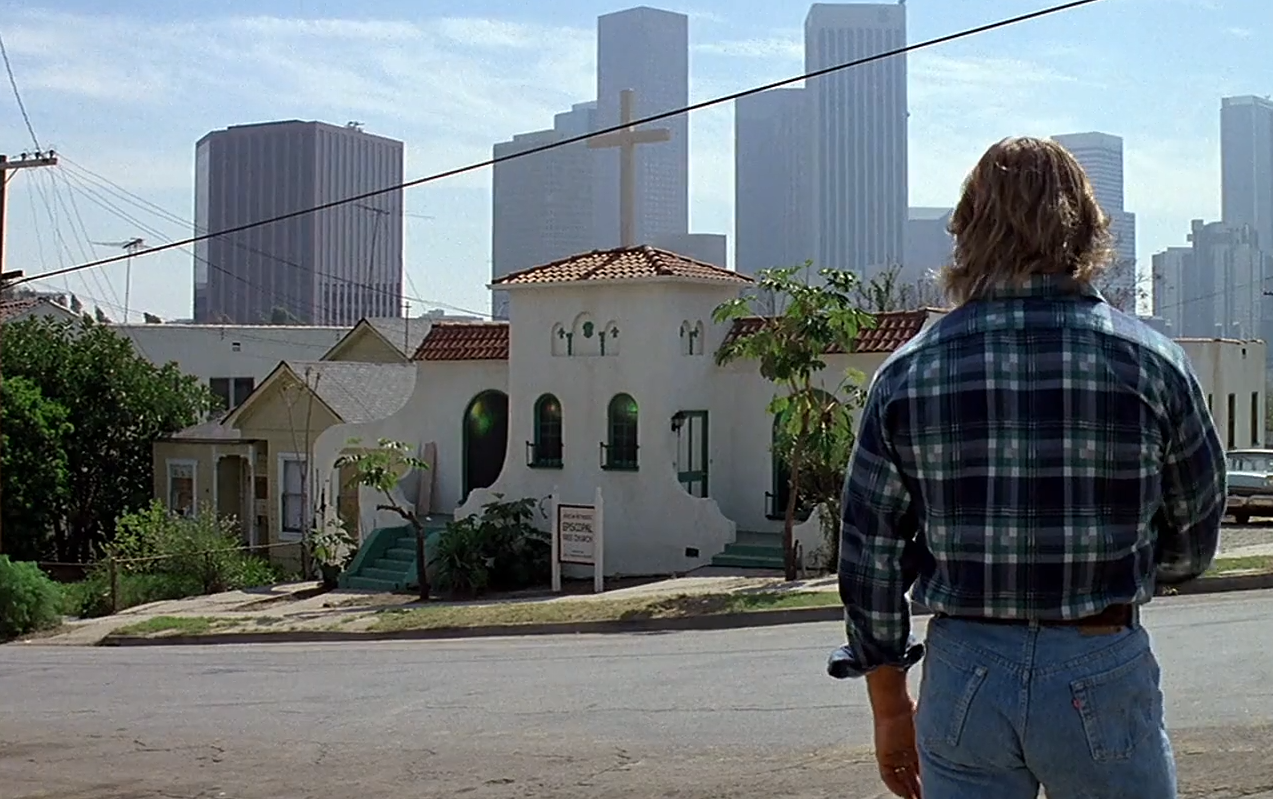
On its surface, They Live is a pulse-pounding 1988 sci-fi thriller from director John Carpenter, but beneath the action and suspense lies a razor-sharp social commentary that remains surprisingly relevant decades later. The film follows drifter John Nada, played with charismatic grit by Roddy Piper, as he uncovers a hidden alien conspiracy controlling humanity through subliminal messaging. Carpenter combines the thrill of a tense narrative with biting critiques of consumerism, authority, and conformity, creating a film that entertains while provoking thought.
The story is propelled by a perfect balance of tension and action. From Nada’s arrival in Los Angeles to the escalating struggle against the alien overlords, the pacing keeps audiences engaged throughout. Carpenter’s signature style is evident in every frame, from the stark urban landscapes to the subtle use of suspenseful music that heightens the sense of unease. What might have been a simple alien-invasion story is elevated through strong visual storytelling and a clear, cohesive narrative arc.
Roddy Piper delivers an unexpectedly nuanced performance for someone making his film debut, blending everyman relatability with quiet heroism. Keith David as Frank Armitage provides a grounded counterpoint, offering both physical and moral support in a world turned upside down. Meg Foster adds depth as Holly Thompson, providing emotional stakes and human connection amid the chaos. The ensemble cast works seamlessly, giving weight to even the film’s smaller moments.
Beyond performances, the film excels in its design and practical effects. The aliens are convincingly unsettling, and the special sunglasses concept is both imaginative and iconic, allowing Carpenter to illustrate a hidden reality in a visually compelling way. The clever use of subliminal messages scattered throughout the world—on billboards, magazines, and TV—adds an extra layer of engagement for attentive viewers. These creative choices give the film a timeless quality, ensuring that it stands out in the crowded landscape of 1980s sci-fi.
One of the film’s most enduring achievements is its dialogue and memorable lines. From Nada’s deadpan declaration, “I have come here to chew bubblegum and kick ass… and I’m all out of bubblegum,” to the chilling commands of “Obey. Consume. Conform.,” the script is a masterclass in quotable, culturally resonant writing. These lines have not only cemented the movie’s place in cult cinema but have also influenced generations of filmmakers exploring dystopian and satirical themes.
Ultimately, They Live is a triumph of style, substance, and social insight. It entertains with gripping action sequences while simultaneously offering a sharp critique of societal norms that feels more relevant today than ever. John Carpenter’s direction, combined with standout performances, inventive visuals, and a thought-provoking story, make They Live a film that rewards repeated viewings. More than three decades later, it remains a quintessential cult classic, a smart and thrilling reminder that in a world full of hidden truths, awareness is the first step toward resistance.
They Live Vinyl Soundtrack
The They Live (1988) soundtrack by John Carpenter features minimalist synths and haunting melodies that heighten the film’s suspense and dystopian atmosphere. Iconic cues like the “Main Title” and city-reveal scenes enhance the story of John Nada uncovering the alien conspiracy, making the score a memorable part of this cult sci-fi thriller.
The soundtrack can be purchased through the Amazon and Ebay links below.
They Live Merchandise
Click one of the Ebay or Amazon buttons below to check the latest prices for that piece of collectable They Live merchandise.



Cultural Context: Release vs. Legacy
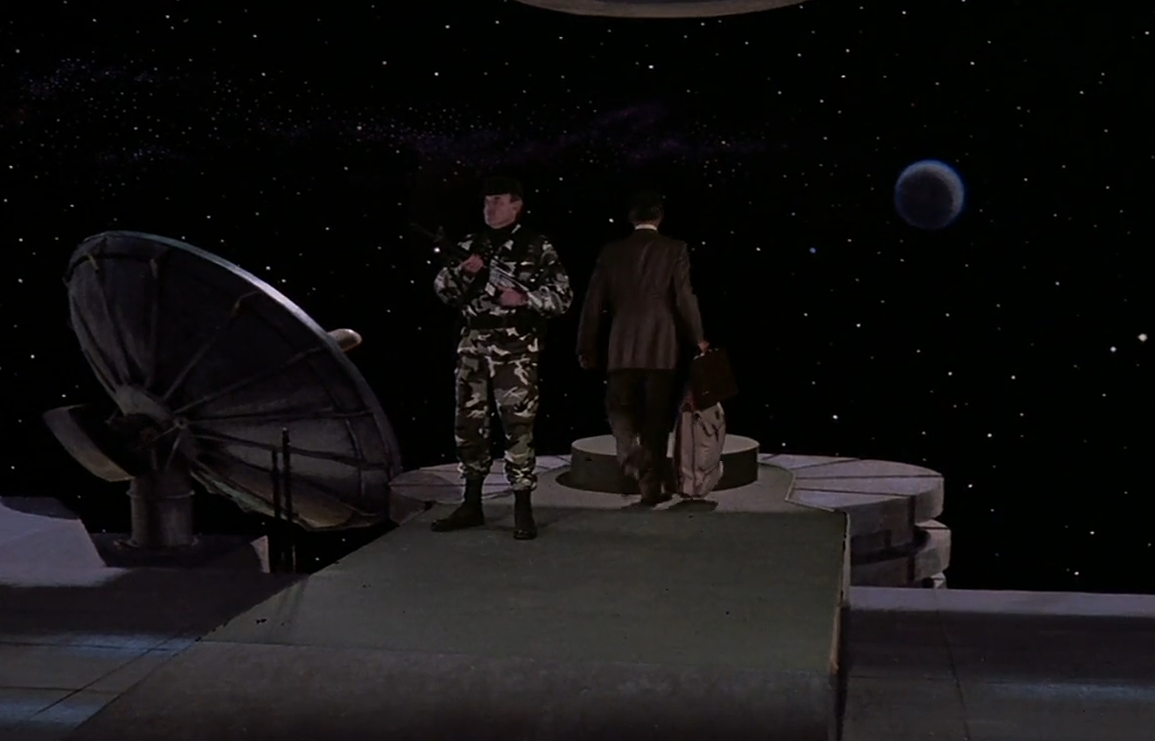
When John Carpenter's They Live hit cinemas in 1988, it arrived during a turbulent moment in American culture. The Reagan era was in full swing, consumerism was booming, and distrust in political institutions had begun to simmer beneath glossy advertising and economic optimism. Cold War anxieties still lingered, while homelessness and class inequality were on the rise in many US cities. Carpenter’s film, with its blunt satire of corporate power and its not-so-subtle anti-capitalist message, landed as a rebellious middle finger to the status quo. It was marketed as a sci-fi action movie starring wrestler Roddy Piper, but what audiences received was far sharper: a pulpy, paranoid parable about hidden elites selling control through media and marketing.
Despite its bold social commentary, They Live was not a major mainstream success on release. Critics were split between calling it heavy-handed and applauding its ambition, and the box office response was modest. For many viewers at the time, its pacing and tone were an odd match for the expected late-eighties action spectacle. Yet beneath the surface, a dedicated niche audience recognised something more provocative, and VHS rentals quietly nourished its reputation. The legendary alleyway fight scene, the now-iconic line "I have come here to chew bubblegum and kick ass, and I'm all out of bubblegum," and the film’s stark black-and-white propaganda messages began to circulate among cult film fans like contraband.
In the decades since, They Live has been reappraised not merely as a quirky Carpenter effort, but as a prophetic satire that feels increasingly relevant. In an era of targeted advertising, digital surveillance and public mistrust in media, the film’s metaphor of subliminal control is no longer viewed as pulp exaggeration, but as a warning that aged surprisingly well. Modern audiences, especially online communities, have embraced the film’s meme-friendly imagery and anti-establishment energy, turning it into a staple of political commentary, internet culture and counter-culture fashion.
Where once They Live was a product of its time, today it thrives because it speaks beyond it. Anniversary screenings sell out, academic essays unpack its themes, and merchandise bearing the stark commands of OBEY and CONSUME is worn with a mix of irony and admiration. Few cult films pivot so cleanly from misunderstood release to cultural touchstone, but Carpenter’s street-level sci-fi has managed exactly that. Its message is no longer a whisper beneath the surface — it is loud, visible, and very much alive.
Related Searches
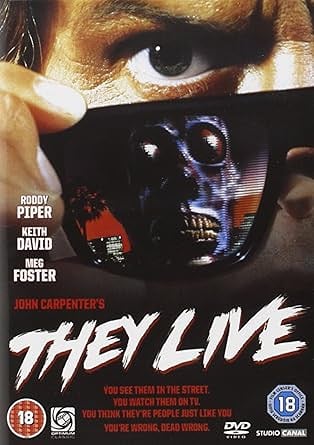
They Live DVD
They Live is available on DVD. There are various different versions to consider, search now for....
They Live Blu-Ray
They Live is available on Blu-Ray. There are various different versions to consider, search now for....
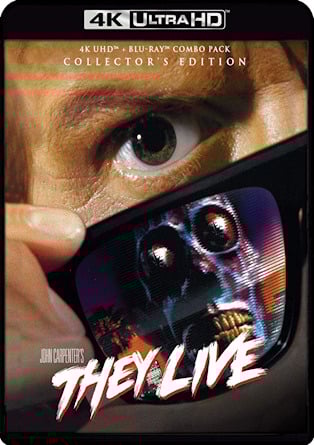
They Live Ultra HD
They Live is available on Ultra HD Blu-Ray. There are various different versions to consider, search now for....
They Live Movie Poster
Various posters were created at the time They Live was released. Reproductions of these can now be.....
They Live Watch
There are various different ways you can now watch They Live. This can be via physical media, streaming....
They Live Trailer
There are various trailers available for They Live. Some are from the original theatrical release, others are....
They Live Streaming
They Live is available to stream on a variety of platforms. These are often subject to change, check....
They Live Cast
The cast and characters for They Live can be viewed further up this page.. Alternatively, there are other....
They Live Netflix
They Live may be available to stream on Netflix. Not all territories show the same films at the same time.....
They Live Prime Video
They Live may be available to stream on Prime Video. Not all territories show the same films at the same....