Big Announcements, Thin Commitments: The Long History of Britain’s Rail Letdowns


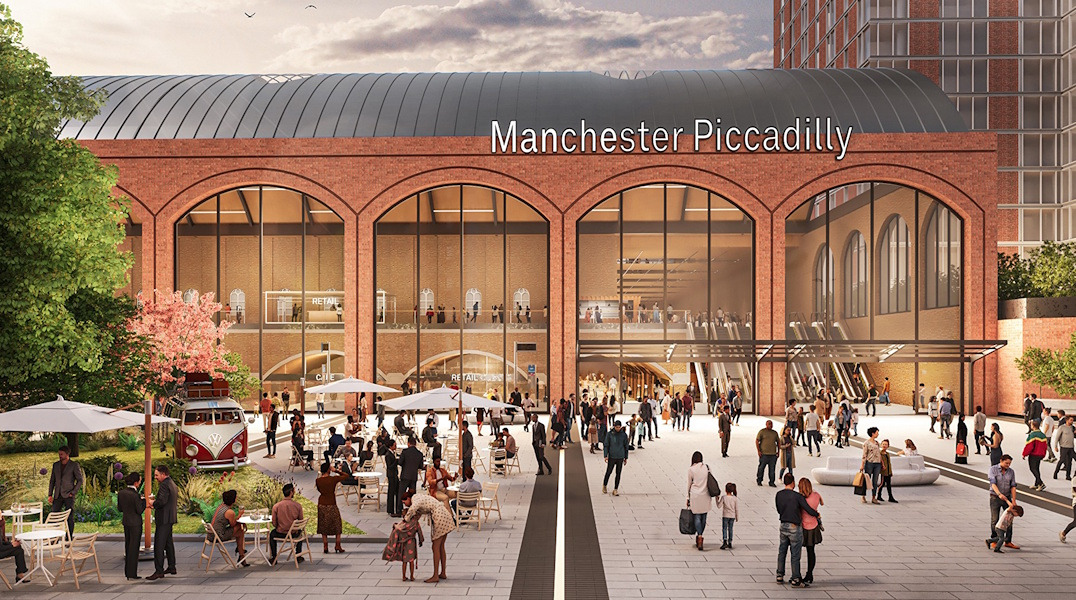
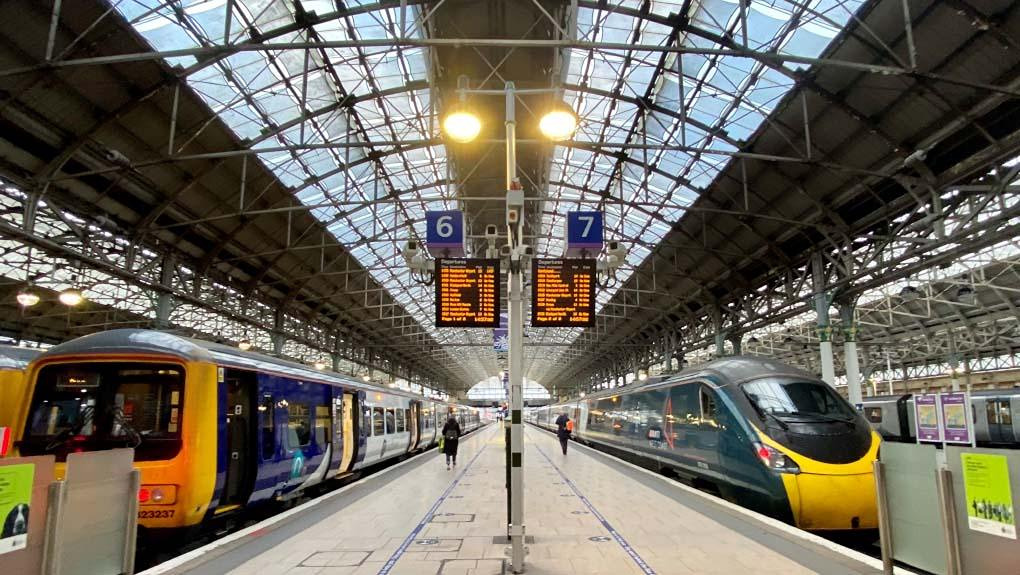
Britain’s political parties have made repeated promises on rail investment over several decades, and the pattern is familiar: ambitious announcements, confident timelines, and a language of national renewal that plays well at the despatch box. Yet history suggests that these declarations often unravel once they encounter Treasury caution, shifting political priorities, or electoral change. Northern Powerhouse Rail is only the latest scheme to arrive carrying the weight of expectation, following earlier commitments that were scaled back, delayed, or quietly reframed once the headlines faded.
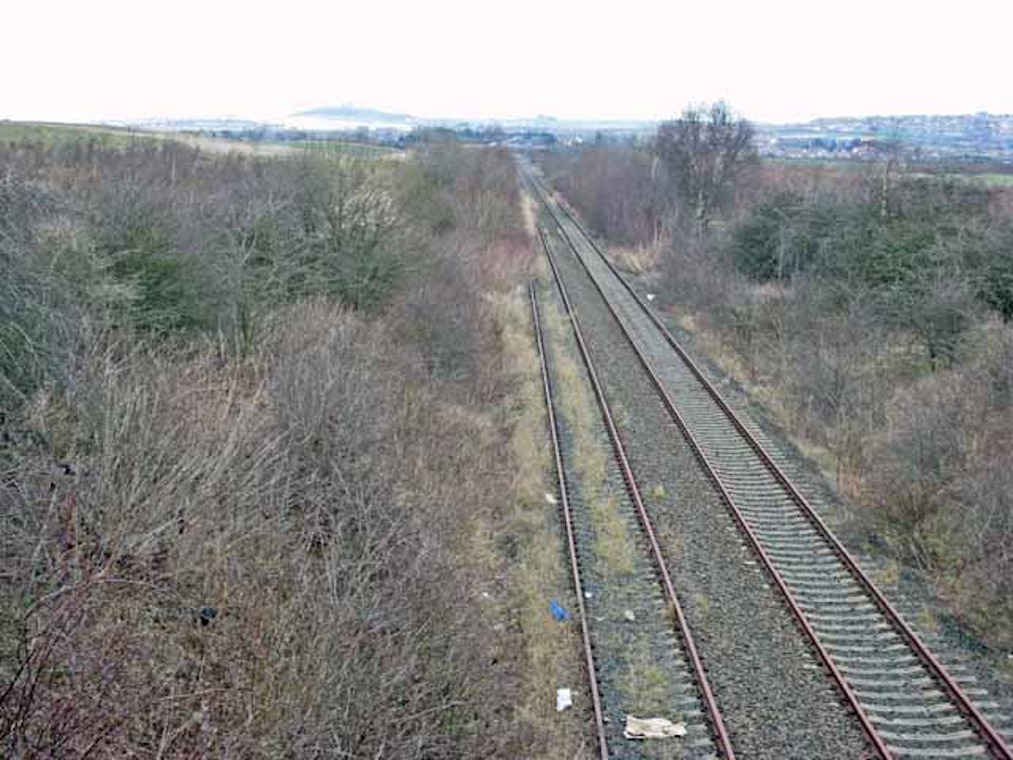
The Leamside Line, which has again been back in the news today, is a telling example. Its potential reinstatement has resurfaced repeatedly as a solution to capacity constraints and resilience issues in the North East, only to slip back into feasibility studies and long-term aspirations. Each revival has been accompanied by warm words about regional growth and connectivity, but without a binding commitment to construction. For communities along the corridor, the line has become symbolic of a wider problem: projects that are politically useful to reference, but never sufficiently prioritised to move beyond the planning stage.
HS2 has further eroded public trust in rail pledges. Originally presented as a transformative national project, it has since been curtailed in phases, with entire sections cancelled after years of sunk cost and disruption. The justification has shifted from cost overruns to changing economic conditions, but the outcome is the same: a flagship promise that did not survive long-term political pressure. For many observers, HS2 demonstrated that even schemes with parliamentary approval and years of preparatory work are not immune from reversal.
Both Labour and Conservative governments share responsibility for this credibility gap. Rail projects often outlive electoral cycles, making them vulnerable to cancellation by successor administrations keen to redraw priorities or distance themselves from predecessors. Announcements are frequently made before funding is fully secured, allowing political credit to be claimed early while risk is deferred. The result is a cycle where ambition is front-loaded and delivery remains perpetually just over the horizon.
This does not mean that new rail projects will never happen, but it does suggest that caution is warranted. The difference between rhetoric and reality often lies in the detail: legally committed funding, protected delivery bodies, and clear construction timelines. Without these, schemes remain exposed to economic shocks and political change. The emphasis on “exploration,” “development,” and “future phases” is often a sign that uncertainty still dominates behind the scenes.
For passengers and regions promised renewal, tempered expectations may be the most rational response. Past experience indicates that belief should be reserved until spades are in the ground and contracts are signed, rather than when press releases are issued. Until political parties demonstrate a sustained record of seeing rail projects through to completion, announcements like those made today risk being viewed not as turning points, but as another false dawn in a long history of unfulfilled transport promises.
Related Stories