Eastleigh Depot Scandal: Network Rail Worker Wins Case After “Bullying Campaign” Ruled Unfair

A long-serving Network Rail employee has successfully challenged his dismissal at tribunal, after judges concluded he had been subjected to what they described as a sustained pattern of workplace bullying.
Parmjit Singh Bassi, a British Indian worker who had spent 25 years with the organisation, lost his job in March 2024. His case was heard at Southampton Employment Tribunal, which ruled that his treatment and eventual dismissal were unfair.
During proceedings, Network Rail accepted that the dismissal could not be justified. The tribunal panel went further, remarking that examples of unfair dismissal more clear-cut than this would be “hard to find”.
Mr Bassi had been based at the Eastleigh depot since 1999, but tensions emerged following a serious allegation made against him in 2018. A colleague, Nick Wilson, accused him of making a knife threat. Police did not pursue the matter, yet Mr Bassi was issued with a written warning internally.
After returning to work following a lengthy absence caused by a broken arm, Mr Bassi encountered what the tribunal heard was an increasingly hostile environment. Rumours circulated among colleagues, and concerns about his presence were not effectively addressed by management.
In an email, Mr Bassi described how colleagues were “uncomfortable” about his return and warned that a “bullying culture” had been allowed to develop.
The situation escalated later in 2018 when he found an English Defence League leaflet placed inside his boots in his locker. In January 2019, further incidents occurred when copies of the Metro newspaper carrying the headline “Knifed Nine Times” and the words “It was Parm” were left in his boots and in a kitchen drawer next to a knife.
Following these events, Mr Bassi was moved away from the depot. Although he later regained his track safety certification, he was prevented from returning to trackside duties. The tribunal heard that this decision was driven by what was described as a “collective gut feeling, fuelled by innuendo and rumour”.
His employment ultimately ended after he was unable to secure another role within the company.
The tribunal concluded that the decision to remove him from trackside work was based on unfounded concerns. While claims of direct race discrimination and perceived disability discrimination were not upheld, judges did find that two incidents from 2018 and 2019 amounted to racial harassment.
The case will now proceed to a further hearing, where the tribunal will determine what compensation, if any, should be awarded.
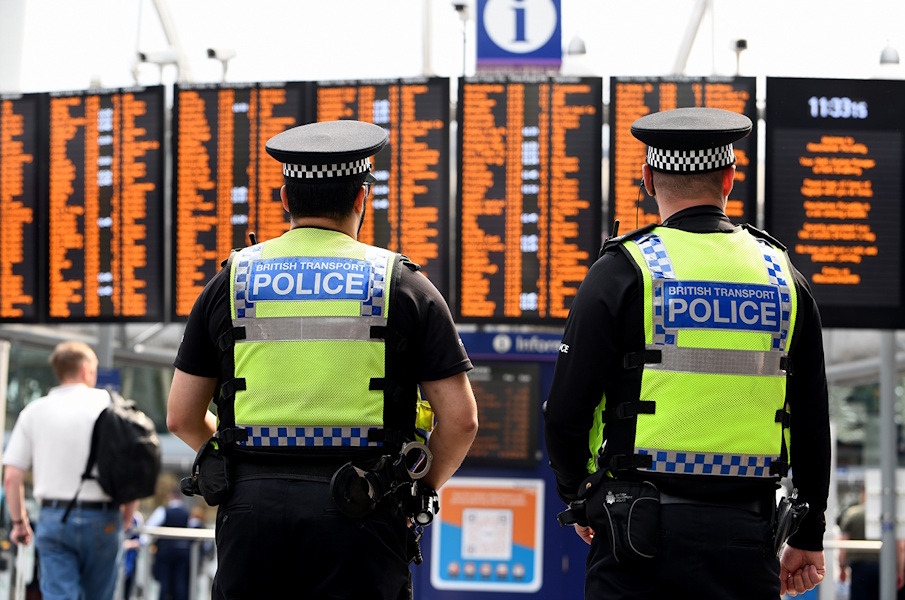
Image: British Transport Police
Related Stories