Five-Weekend Intensive Work Saves Two Weekends of Rail Disruption Across York and Darlington
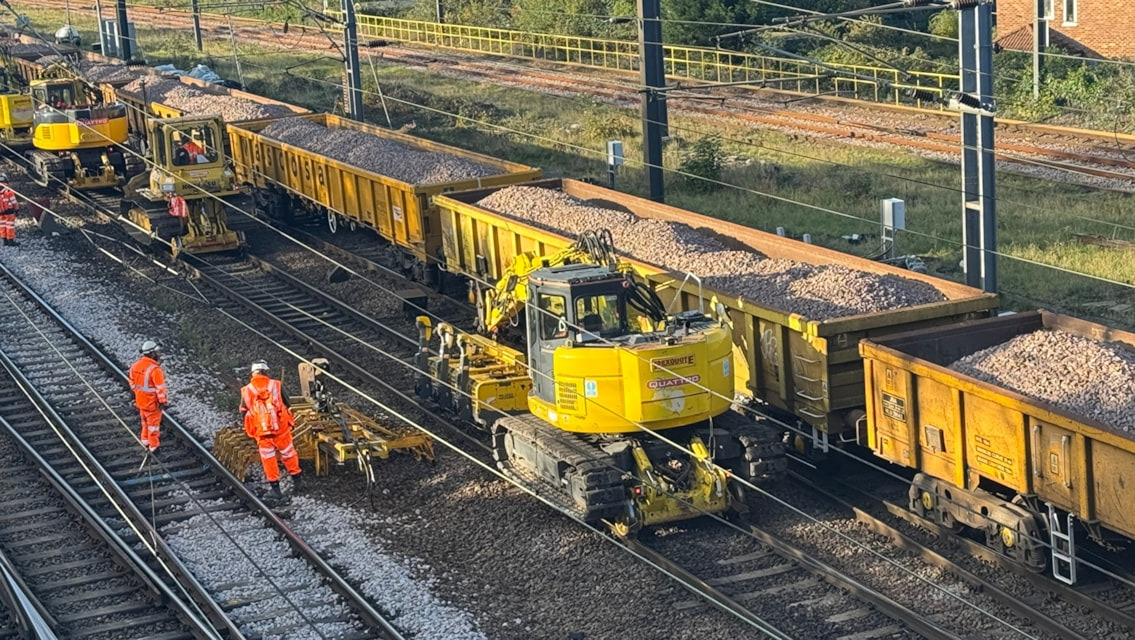

Network Rail has successfully completed a series of major engineering projects across the East Coast route, condensing work that would normally have taken seven weekends into just five, sparing passengers two additional weekends of disruption. The programme ran from 11 October to 1 December, covering multiple sites including Darlington, York, and surrounding areas.
At Darlington station, a £140 million upgrade reached a key milestone with the successful testing and implementation of changes to the signalling system. The work forms part of a project to add two new platforms, which will help manage train flows more efficiently, reduce delays, and increase capacity for future services.
In York, an intensive schedule over three weekends (25–26 October, 1–2 November, and 8–9 November) delivered a wide range of improvements. These included a £125,000 upgrade of Nether Poppleton level crossing with a new surface, road markings, and cill beams; a £1.1 million investment at Heck sidings between Selby and Doncaster to upgrade the ground frame controlling track points; and track and sleeper replacements at Tollerton. Additional work included renewals at Skelton Junction and Holgate, new track at Holgate Junction, Dringhouses, and Earfit Lane, improved drainage north of York, strengthened overhead line equipment, and replacement of heavily used track points as part of the Transpennine Route Upgrade. Signalling equipment at York station was also renewed.
A nine-day closure between Knaresborough and York, from 25 October, allowed for repairs to Cattal signal box, renewal of its lever frame, and new gates and hinges at Cattal level crossing.
Jason Parrish, head of planning for Network Rail’s East Coast route, praised the effort:
“We’re grateful for passengers’ patience while we carried out this work. It’s important to note that carrying out such an intensive programme of work over the five weekends has reduced the overall impact for customers. Had we done this in the ‘normal’ way, then there would have been two more weekends of disruption required in order to complete all the work. We’re grateful to everyone in our teams, and across the rail industry, for pulling together to deliver what is an outstanding achievement, with clear benefits for the public, both in terms of the improvements delivered in journey quality and reliability and the reduced periods of overall disruption required.”
Image: Network Rail