On This Day in 1874, Shipton-on-Cherwell train crash

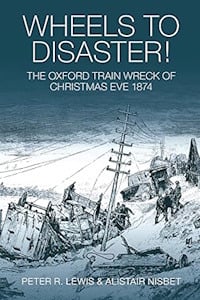
On this day in 1874, Christmas Eve turned tragic near the village of Shipton‑on‑Cherwell in Oxfordshire. A heavily laden Great Western Railway passenger train, running from Oxford to Birmingham, was making its journey north when disaster struck. Just after passing the canal and river bridges near Shipton, a tyre on one of the carriages fractured. The damaged carriage initially remained upright, but the momentum of the train and the failure of timely braking would soon lead to catastrophe.
Witnesses later reported that passengers in the stricken carriage tried to alert the driver, who applied the brakes. However, the guard at the rear of the train did not hear the signal, leaving the braking effort uncoordinated. The resulting impact caused several carriages to derail, some plunging down the embankment and a few reaching the canal. The scene was one of chaos, with passengers trapped, injured, or worse.
Local residents from Shipton‑on‑Cherwell and nearby Hampton Gay were among the first to respond, battling snow and difficult terrain to aid the victims. Telegraph wires had been severed in the accident, delaying urgent medical help. A special train was eventually dispatched to bring the injured to hospitals in Oxford. By the end of the day, thirty-four people had died and sixty-nine were seriously injured, marking it as one of the deadliest railway accidents of the era.
In the aftermath, an official inquiry led by Colonel William Yolland of the Railway Inspectorate examined the causes of the tragedy. The investigation concluded that the fractured tyre, which belonged to an outdated carriage design, had triggered the derailment. The inquiry also highlighted shortcomings in braking systems and communication between engine crews and guards. Recommendations from the report led to improvements in wheel construction, braking technology, and in-train communication, influencing railway safety standards in Britain for years to come.
Related Reads
Related Stories