Partners confirmed for £1.75bn Midlands Rail Hub transformation

The consortium selected to design and develop a major upgrade of the rail network across the Midlands has been confirmed, paving the way for one of the region’s most ambitious transport projects in decades.
The Midlands Rail Hub scheme, which could cost around £1.75bn if fully delivered, is intended to transform rail travel across the region by increasing capacity, improving connectivity and supporting economic growth. The project is designed to link people more effectively with jobs, education and new housing developments.
Network Rail will work alongside a newly formed Midlands Rail Hub Alliance made up of VolkerRail, Laing O'Rourke, AtkinsRéalis and Siemens Mobility. The group will take responsibility for developing the detailed designs and preparing the scheme for construction, as well as supporting delivery during the build phase.
Central to the plans is a new connection between the Chiltern main line into Birmingham Moor Street and the Camp Hill lines serving the South West and East Midlands. This would be achieved through the construction of two new railway chords at Bordesley, close to Birmingham city centre, enabling new journey opportunities and improved services through the area.
Alongside the larger infrastructure works, the programme is also focusing on a series of smaller upgrades intended to deliver earlier benefits for passengers. These include reopening platform 4 at Snow Hill station, allowing more Chiltern Railways services to run directly between Birmingham’s business district and London Marylebone, and redeveloping Kings Norton station and the surrounding lines to accommodate additional Cross City services and new Midlands Rail Hub routes.
The alliance will work closely with Network Rail, the West Midlands Rail Executive, the Department for Transport and Midlands Connect to develop timescales for the scheme. While the full programme will take longer to deliver, early passenger benefits are expected to be introduced in the early 2030s.
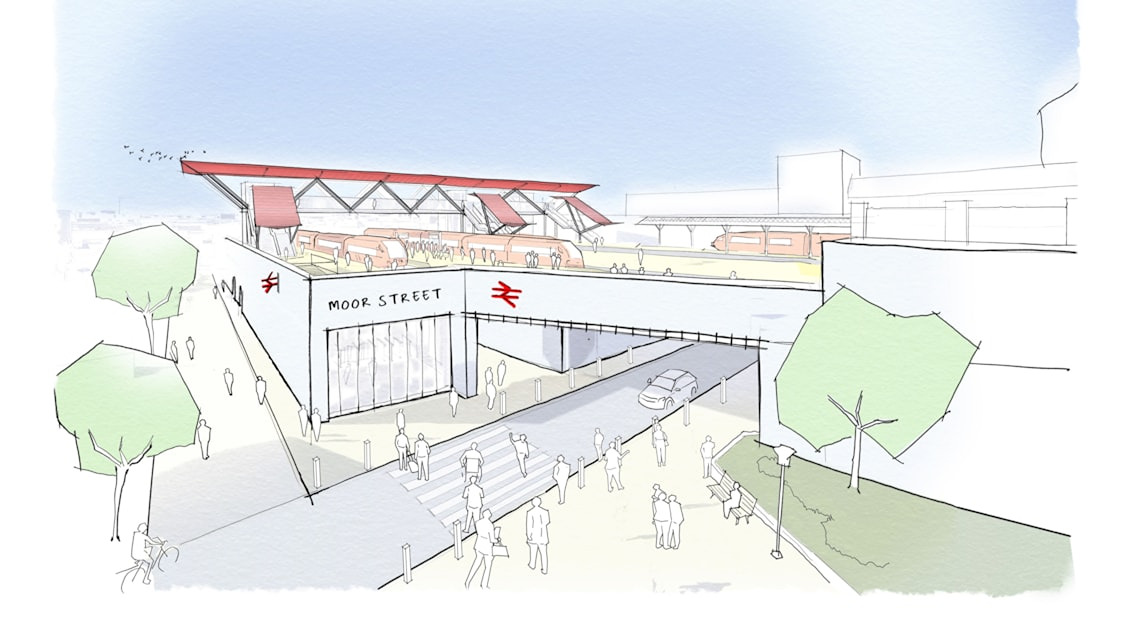
Once complete, the project is expected to reshape how trains serve Birmingham and the wider West Midlands, including changes to services at New Street, Moor Street and Snow Hill. By running more trains through key corridors, the scheme aims to significantly improve reliability, journey choice and connectivity for millions of passengers each year.
Rail Minister Lord Peter Hendy said:
“The Midlands Rail Hub will be transformational for millions of people across the country by improving capacity across the network, allowing more services and better reliability. Thanks to £123 million of Government funding we are unlocking jobs opportunities, stimulating housing growth and better connecting our communities, forging ahead with our promise to create modern transport Britain needs and deserves.”
Denise Wetton, Network Rail's Central route director, said:
"We want the huge improvements this major investment and upgrade will unlock – including access to opportunities, more jobs, economic growth, and new houses - to benefit people, communities, and businesses as soon as possible. Confirming the Midlands Rail Hub alliance partners means this vital regional and national project can really start to move forward and we are focusing hard to start work on this transformative project as quickly as possible."
Mal Drury-Rose, West Midlands Rail Executive director, said:
“After years of supporting this project, we are thrilled that it will come to fruition, delivering huge benefits for passengers in the West Midlands. We are committed to ensuring that it's more than just a rail scheme - that it maximises the benefits of HS2 coming to the region, creating a major new transport interchange at Moor Street and Curzon Street stations, and delivers on our wider ambitions for social mobility, transport integration, regeneration and economic growth."
Maria Machancoses, chief executive of Midlands Connect, said:
"Today is a big moment for the region - the Midlands Rail Hub alliance will finally allow us to start delivering real improvements passengers will feel on the ground as early as 2028. We must keep driving this project forward and work with Government to get the full programme funded and delivered, because only then will the Midlands realise its full potential.”
Image: Network Rail