The Hidden Cost of LNER’s Ticketing Overhaul
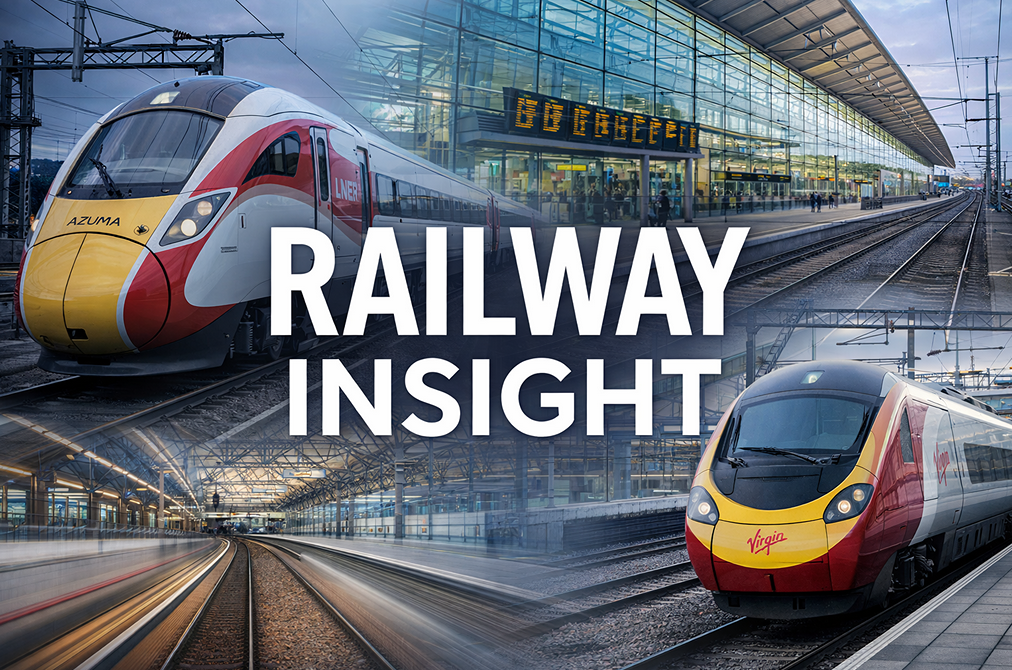

In mid‑2023, London North Eastern Railway (LNER) rolled out a major change in how it sells tickets on its long‑distance routes. Having first trialled single‑leg pricing on services between London King’s Cross and Leeds, Newcastle, and Edinburgh from 2020, the operator expanded the scheme across most of its network. Under this approach, traditional return tickets were removed on many flows and replaced with one‑way tickets priced at roughly half the cost of the old return, with the intention that passengers could mix and match fares for each leg of a journey rather than buying bundled return products. In May 2023 tickets went on sale for travel starting on 11th June 2023. The change was presented as a means to make fare choice simpler and more flexible for customers.
In January 2024, LNER launched the next phase of its ticketing reforms under the Simpler Fares pilot. This built on single‑leg pricing by removing many traditional Off‑Peak and Super Off‑Peak fares on selected long‑distance routes and replacing them with three broad categories: advance Fixed fares, a semi‑flexible option, and fully flexible Anytime fares. The pilot was designed to run for two years and aimed to reduce the number of ticket types, making choices clearer for passengers.
Although the reforms were promoted as simplification, observers outside LNER raised immediate concerns. One criticism focused on the elimination of the cheap flexible Super Off‑Peak fare on key corridors such as London to Edinburgh, where that fare had served as an effective price cap and a flexible walk‑up option. Independent reporting found that the fully flexible Anytime fare could cost significantly more — in some cases around £190 one way between key city pairs — meaning that passengers who could not secure advance or semi‑flexible fares might face much higher prices for spontaneous travel.
Criticism also came from passenger advocacy groups. Rail campaigners reported that with the abolition of the Super Off‑Peak ticket on certain routes, the only guaranteed fare available at short notice was the fully flexible Anytime fare, the most expensive option. Cheaper fares could be quota‑controlled and unavailable once sold out for a service, leaving some passengers paying substantially more than under the previous system.
Official evaluation of the original single‑leg pricing trial by the Department for Transport indicated that the trial did not have a significant impact on revenue, though the analysis could not fully assess customer satisfaction due to limited survey data. Further study was planned to examine passenger impacts as travel returned to pre-pandemic levels.
By 2025, the Simpler Fares pilot continued to evolve, with LNER extending the range of stations where the simpler fare structure applied and incorporating the semi‑flexible option on more long‑distance journeys. LNER maintained that the aim was to reduce complexity and smooth demand across services, but some passengers and commentators remained sceptical about whether the reduced range of ticket types genuinely made travel easier or more affordable, particularly for those who value the ability to travel spontaneously without advance booking.
Related Stories