Charing Cross and Waterloo East to Shut for Major Track Overhaul
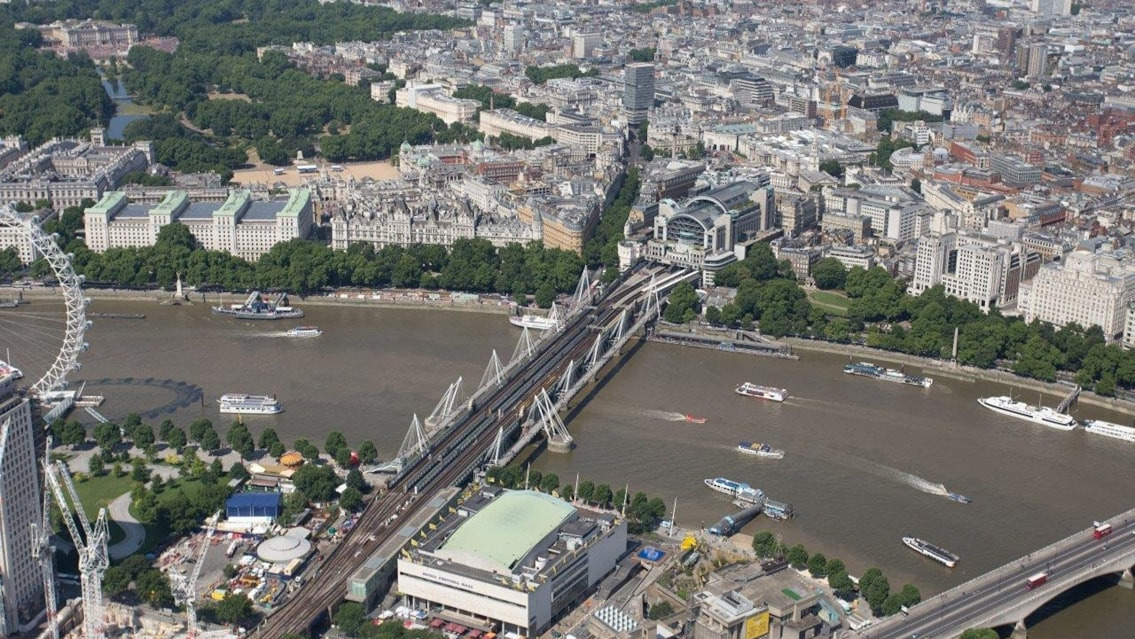

Rail passengers travelling into central London this summer are being warned to expect altered routes and longer journey times as Network Rail prepares for a 22-day programme of major engineering works. While trains will continue to operate and access into the capital will remain available, services will be significantly reshaped between Sunday 26 July and Sunday 16 August 2026.
The temporary closure of London Charing Cross and Waterloo East stations is central to the plan, allowing engineers to undertake a concentrated package of upgrades. Network Rail says clear guidance on alternative routes and support will be issued ahead of and throughout the works so customers can plan with confidence.
Despite the scale of the project, routes into London will remain open:
• Southeastern services that normally run into Charing Cross will be diverted to London Victoria, London Cannon Street and London Blackfriars, with some trains terminating at London Bridge.
• Ticket acceptance will be available across alternative rail routes, London Underground and London Buses to keep people moving.
• Network Rail will work with transport providers to promote walking, cycling and accessible routes to help people complete their journeys.
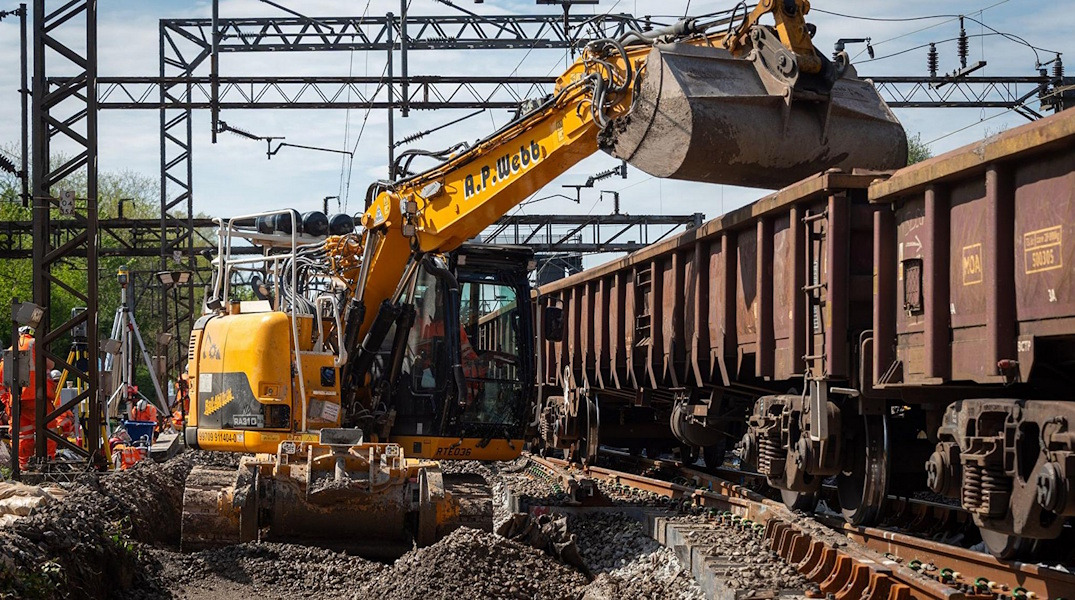
The engineering focus will be on replacing 1,800 metres of life-expired track between Waterloo East and Charing Cross. The infrastructure, last renewed in the early 1990s, has become increasingly unreliable and requires significant maintenance to keep trains running safely. In recent years, faults on the approaches to Charing Cross have been responsible for hundreds of hours of delays. Without intervention, the operator says disruption would continue to escalate.
Alongside the track renewal, the closure will be used to carry out drainage improvements at Waterloo East and structural repairs to Hungerford Bridge. The railway is also developing plans to incorporate additional works into the possession. Delivering the upgrades in one continuous block is intended to bring benefits forward more quickly and avoid a prolonged cycle of weekend and bank holiday shutdowns.
Engineers, planners and timetable specialists assessed a range of alternatives before settling on the summer blockade. With schools closed, commuter numbers typically lower and greater flexibility for many travellers, the operator concluded a continuous 22-day closure would cause the least overall disruption while offering the most efficient way to complete the programme.
Other options considered included:
• Weekend only working, requiring 60 weekend closures over 14 months, including key bank holidays, creating long-term disruption for passengers and businesses.
• Four separate 9day closures spread over 10 - 16 months, causing repeated disruption to schools, commuters and businesses, and adding significant cost and complexity.
A single 22-day closure is the more considerate and effective way to deliver this essential investment.
Scott Brightwell, Director of Operations and Safety, South Eastern Railway, said:
“We know closing Charing Cross and Waterloo East for 22-days is a significant change and we’re sorry for the disruption it will cause. This is not a decision we’ve taken lightly. We’ve looked long and hard at every possible option and although none of them are without impact, a single summer closure is the least disruptive and most efficient way to carry out this vital work. This section of track is more than 35 years old and has caused thousands of minutes of delays for passengers in recent years. By replacing it now, and combining that with platform, drainage and bridge works, we’re tackling the root causes of disruption in one go. This means fewer closures in the future and a more reliable railway for everyone who depends on these routes. We’re working closely with transport partners, local businesses and communities to keep people moving with ticket acceptance on alternative rail routes, London Underground and London Buses. We are committed to ensuring customers are informed, supported and cared for throughout the 22-day closure.”
Image: Network Rail
Related Stories