East Coast Excellence: How GNER Turned Rail Journeys into Gourmet Experiences
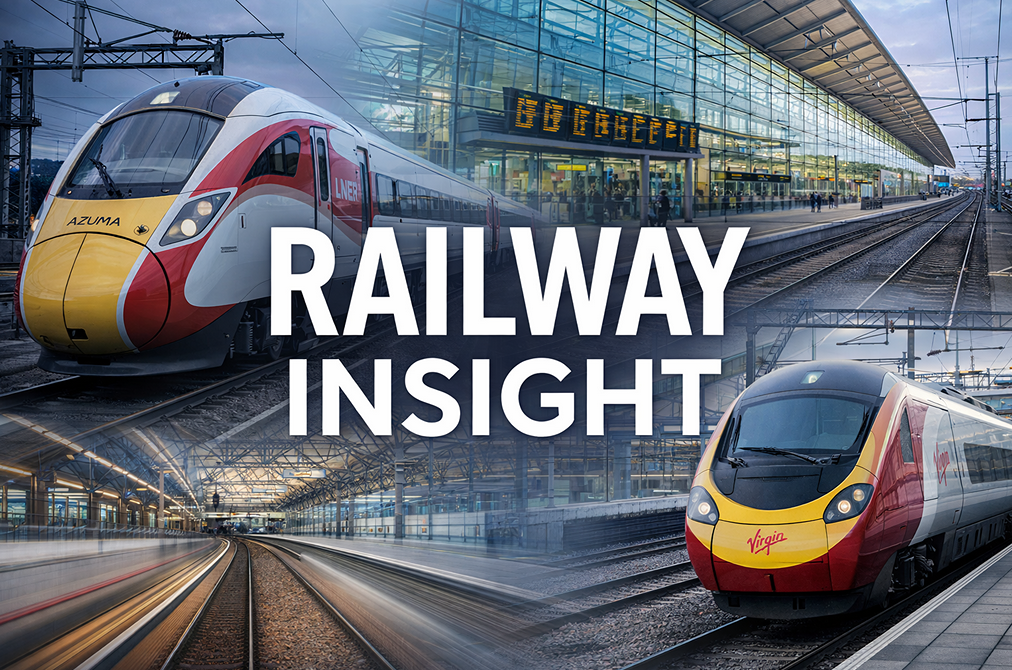

For many who travelled Britain’s East Coast Main Line in the late 1990s and early 2000s, the Great North Eastern Railway (GNER) evokes strong memories of comfort, punctuality and an onboard experience that went beyond merely getting from A to B. Operating from 1996 until 2007, GNER earned widespread affection not just for its speed and reliability but also for its commitment to quality service — particularly in onboard catering, where staffed restaurant cars and sit‑down meals set it apart from competitors.
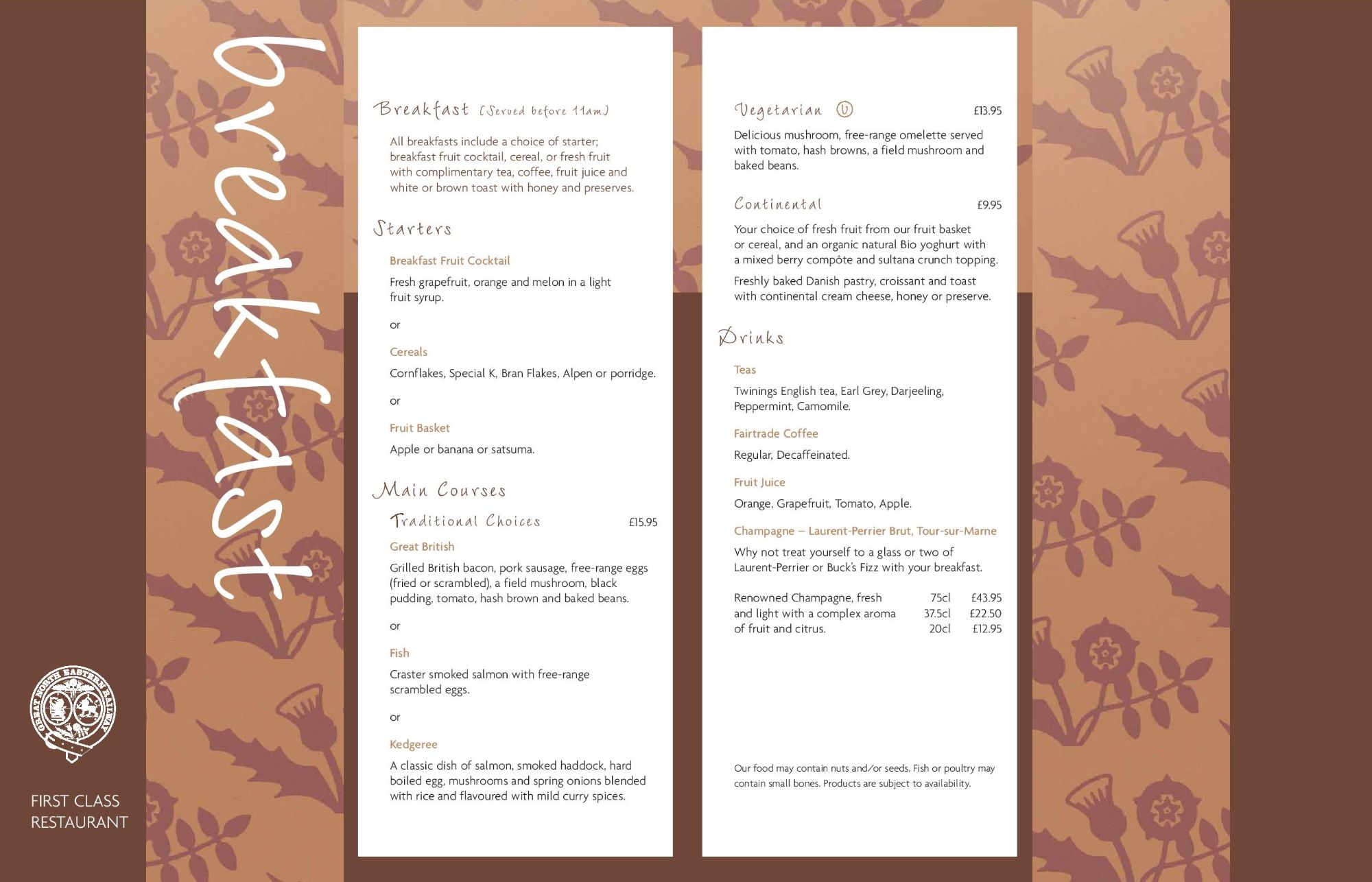
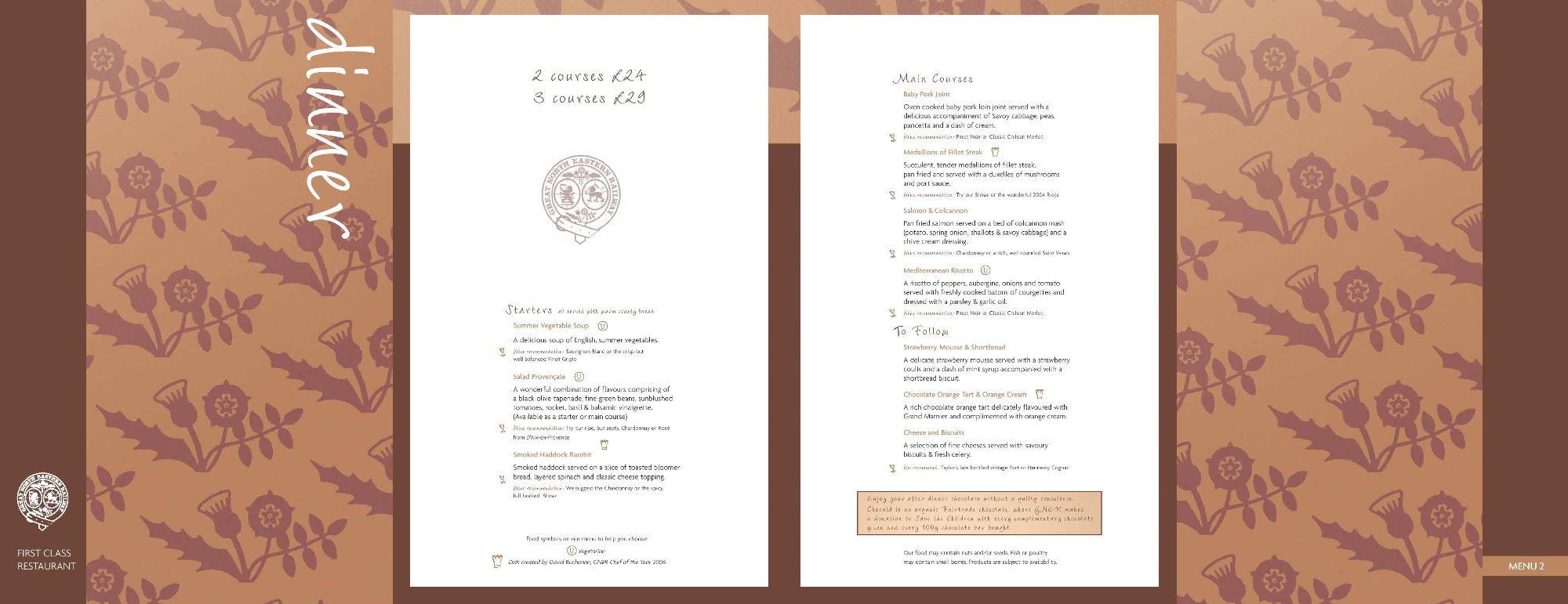
GNER’s dining offer — part of a broader push to make long‑distance rail travel enjoyable — drew people who relished more than the usual trolley sandwiches and instant coffee. Enthusiasts and travellers alike recall options that nodded to traditional British fare, with substantial breakfasts and heartier lunch and dinner entrées that stood out in an era when most operators were cutting back onboard services. Dishes such as their signature “Great British Breakfast,” elegant starters such as Smoked Haddock Rarebit and headline grabbing main courses such as Medallions of Fillet Steak have entered railway lore, reflecting passengers’ desire for a full meal rather than a snack at 125 mph.
In the years since GNER’s tenure, the wider UK rail industry has shifted toward streamlined catering, with many operators offering only basic at‑seat or trolley services in Standard Class and sometimes enhanced menus in First Class. A recent overview of UK operators notes that much of the network now relies on simple coffee and snack options, leaving passengers longing for the richer dining experiences of the past. Against that backdrop, a few providers have kept the idea of elevated train dining alive on specific routes and services.
Great Western Railway (GWR), for example, offers a Pullman Dining experience on selected long‑distance services where tables are set for two‑ and three‑course meals crafted by a dedicated restaurant team. This bookable, premium experience, available on journeys from London Paddington into the West Country and South Wales, harkens back to a more leisurely age of rail travel and is priced from around £38 for a two‑course menu. Alongside Pullman Dining, GWR also provides enhanced First Class at‑seat service and a range of snacks and drinks across its network.
Transport for Wales (TfW) similarly provides a Premier food and First Class dining offer on its longer routes, such as between Cardiff, Holyhead and Manchester. On these services, passengers can enjoy freshly prepared meals from seasonal and locally sourced ingredients, either via an at‑seat ordering system using a QR code or from a food bar and trolley service. First Class dining on TfW trains is presented as an extra option on top of standard refreshments, with menus updated regularly and designed to reflect Welsh and British produce.
Despite the broader trend toward pared‑down onboard food, these premium offerings illustrate how the legacy of operators like GNER still resonates. Travellers who experienced GNER’s restaurant cars often compare today’s Pullman Dining and Premier services favourably with more austere catering elsewhere, suggesting there remains a market for quality meals at speed and scenic views. As rail companies experiment with how best to balance cost, customer expectations and operational practicality, the memory of GNER’s more generous approach to dining lives on in discussions about what modern rail travel should feel like.
Related Stories