Great British Railways, Frequently Asked Questions

What is Great British Railways and why was it created?
Great British Railways (GBR) is a new public rail organisation unifying Britain’s rail network. It will manage track, signals, stations, and many passenger services under one structure. GBR aims to simplify operations, improve coordination between trains and infrastructure, and provide a more reliable, easier-to-use experience for passengers and freight customers.
How will GBR affect train services in England?
In England, train services will gradually move under GBR’s management as existing contracts end. Timetables, ticketing, and infrastructure will be coordinated centrally, aiming for smoother, more reliable operations. Passengers will see GBR-branded trains and stations and can expect a single ticketing platform for all GBR services.
What does GBR mean for ScotRail in Scotland?
Scotland’s rail services, including ScotRail, remain under the Scottish government’s control. GBR will coordinate on shared infrastructure, but Scotland will keep its service decisions, policies, and visual identity. ScotRail trains and stations are unlikely to adopt GBR branding, preserving a distinct Scottish identity.
What does GBR mean for Transport for Wales and rail services in Wales?
Rail services in Wales remain under the Welsh government via Transport for Wales. GBR will manage infrastructure and coordinate network planning, but service decisions and branding remain Welsh. Trains and stations are likely to keep their current look while benefiting from improved ticketing and infrastructure management.
Will ticket prices change under GBR?
GBR aims to simplify fares and ticketing with a single platform. Prices will remain subject to government oversight. The system should make tickets, passes, and contactless payments easier to buy and use. Fares may not drop immediately or at all, but the process will be simpler and more transparent for passengers.
What happens to existing train operating companies and franchises?
As franchises expire, services will transfer into public ownership under GBR. Private operators may cease running some services, while freight and open-access operators continue under GBR’s access rules. This ensures consistent management and accountability across the network.
When will we start seeing the new GBR-branded trains and stations?
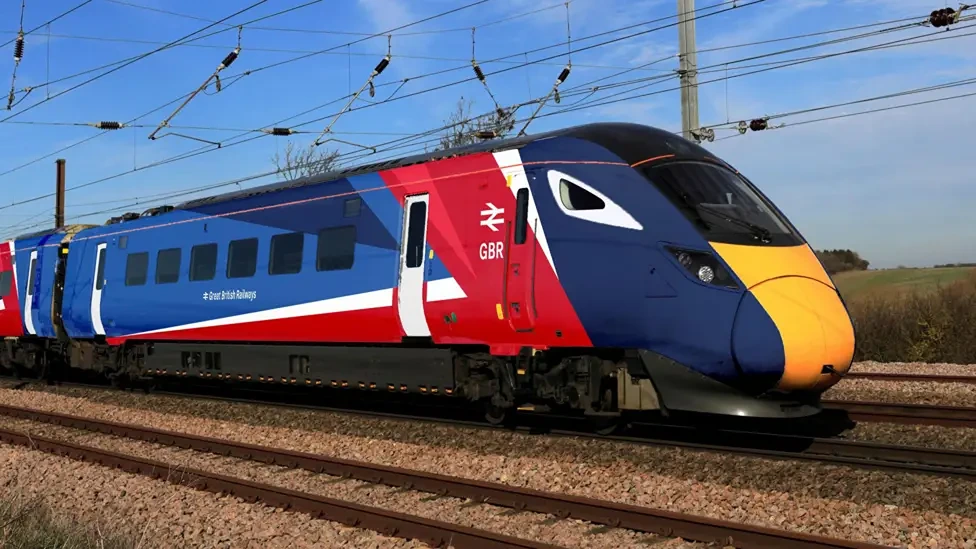
GBR will begin formal operations once legislation is complete, with the rollout of red, white, and blue branding on trains and stations in England, likely starting some time during 2026. Scotland and Wales are likely to retain their own branding, while infrastructure and ticketing gradually move toward a unified system.
How will GBR improve reliability, punctuality, and overall service?
By uniting infrastructure and train operations, GBR can better coordinate timetables, maintenance, and service delivery. This should reduce delays, improve responsiveness, and make network planning more efficient. Safety, accessibility, and customer service standards will also be strengthened.
Will GBR affect rail passes, season tickets, or contactless payment systems?
Yes. GBR is creating a single ticketing platform for its services, making it easier to buy and use passes, season tickets, and contactless options. The rollout will be phased, but the aim is to simplify travel and reduce confusion from multiple operator systems.
How will GBR impact freight and cargo transport on the rail network?
GBR will manage infrastructure and coordinate access for freight operators. This central control aims to make rail freight more reliable and predictable, helping businesses plan shipments. Open-access passenger and freight operators will continue to operate under GBR’s framework, ensuring efficient network use.
Who is in charge of GBR and how is it funded?
GBR is publicly owned and accountable to government ministers. Funding comes from government grants, ticket revenue, access charges, and commercial income. GBR oversees infrastructure and passenger services, aiming to deliver a coordinated, efficient rail network with improved reliability and simpler ticketing.
Image: Department for Transport