Northern Powerhouse Rail Plans Promise Faster Links and Billions in Growth
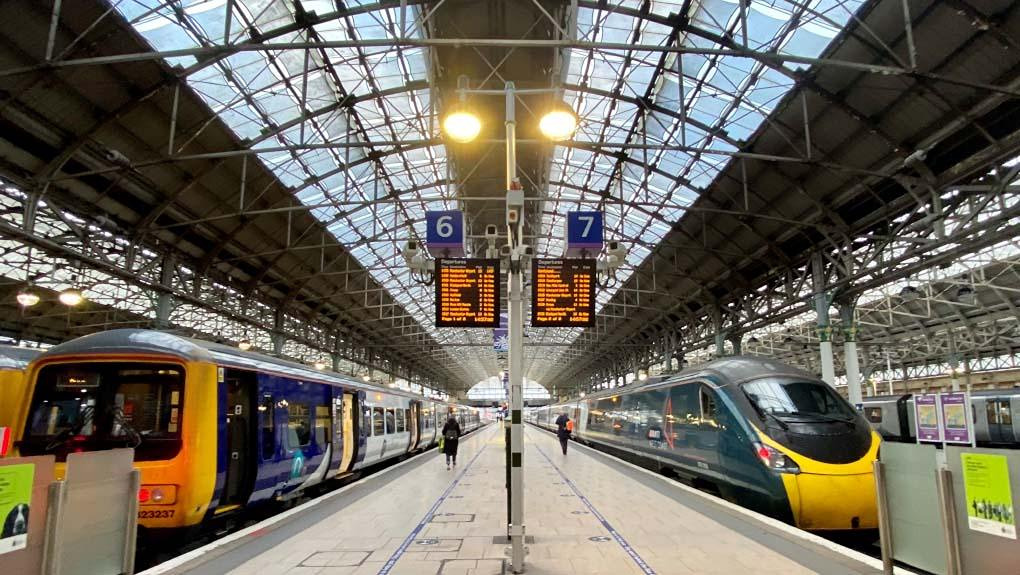

Government plans to transform rail travel across the North have been set out, with a proposed new line between Liverpool and Manchester at the heart of a programme ministers say could unlock billions of pounds in economic growth for the region.
Details of the Northern Powerhouse Rail programme were published on 14 January 2026, outlining a new route linking Liverpool and Manchester via Warrington and Manchester Airport, alongside upgraded rail connections across the Pennines between Manchester, Leeds, Bradford and Sheffield. The proposals form part of a wider government strategy aimed at boosting productivity and living standards across northern England, with ministers estimating that bringing the five largest northern cities up to the national productivity average could add around £40 billion a year to the UK economy.
Under the plans, a second phase of Northern Powerhouse Rail would deliver three new stations at Manchester Airport, Manchester Piccadilly and Warrington Bank Quay Low Level, with construction expected to begin in the 2030s. Alongside the new line, improvements at major Liverpool stations, including Lime Street and Liverpool Central, are being considered as part of ongoing work with Liverpool City Region on options for large-scale regeneration in the city centre.
The programme would build on an initial phase focused on upgrades to routes between Leeds, Bradford, York and Sheffield. A later phase would concentrate on improving links between Manchester and Sheffield, Manchester and Leeds, and examining options for a connection between Manchester and Bradford.
Ministers highlighted the stark contrast in journey times that the scheme is intended to address. At present, travelling directly from Liverpool to Manchester Airport takes around one hour and 25 minutes, involves 21 stops and covers just 29 miles, compared with a 22-minute journey from Reading to London Paddington over 35 miles. The proposed direct line to the airport is intended to benefit passengers, commuters and businesses by offering a faster and more reliable connection.
Ahead of the new route being built, capacity at Manchester Airport station is set to be increased after approval was given for platform extensions to allow longer and more frequent trains. The work will be backed by £115 million of funding.
Pressure on existing routes remains significant. Only two fast services per hour currently run between Leeds and Manchester, a corridor that attracts high passenger numbers and experiences severe overcrowding.
Northern Powerhouse Rail is described by ministers as a central element of a wider plan for the North, due to be published in the spring. That document will include proposals for a northern growth corridor stretching from Liverpool to York, which the government says has the potential to become one of Europe’s major economic hubs. It will also outline how opportunities across sectors such as clean energy, defence and advanced manufacturing can be supported throughout the region.
The rail proposals sit alongside the ongoing Transpennine Route Upgrade, which aims to cut journey times between York and Manchester and between Manchester and Leeds, create more than 5,000 jobs and support the delivery of 6,500 new homes.
The government said the Northern Powerhouse Programme would bring immediate benefits, including skilled employment in planning, design and construction. Local colleges across the country are set to receive £570 million to expand training facilities, as ministers work with employers and local leaders to address skills shortages.
A funding cap of £45 billion will be applied to the programme, with £1.1 billion allocated during the current Spending Review period from existing budgets. Officials said lessons learned from HS2 would be applied, with closer working between government and local partners to streamline planning and approvals and avoid delays and cost overruns.
Ministers also pointed to strong recent economic growth in several northern cities. Sheffield and Newcastle have grown at roughly twice the UK average since 2019, while Manchester has grown more than four times as fast. Liverpool’s Knowledge Quarter is home to more than 400 businesses, hospitals and universities focused on life sciences, while Leeds and West Yorkshire are emerging as a major centre for financial services. South Yorkshire is developing strengths in defence and advanced manufacturing, and Newcastle continues to expand its research and innovation base.
As part of its longer-term ambitions, the government also set out an objective to develop a new north–south rail line between Birmingham and Manchester to improve capacity and connectivity on the West Coast Main Line. Ministers stressed this would not be a revival of HS2 Phase 2, but instead would begin with a feasibility study carried out with local partners. Improvements along the northern growth corridor would be prioritised first, while land already purchased between the West Midlands and Crewe would be retained.
Transport Secretary Heidi Alexander said:
"For too long, the North has been held back by underinvestment and years of dither and delay – but that ends now. This new era of investment will reignite the economy across Liverpool and Manchester, helping their iconic sport and cultural industries to thrive, and cementing Manchester Airport as the gateway to the North. This exciting new line will not only speed up journeys, it will open up new jobs and homes for people, making a real difference to millions of lives."
Huw Merriman, Chair of Liverpool-Manchester Rail Partnership Board, said:
"This is superb news for the North and for the entire country. NPR is a project I’ve long championed, as a former Chair of the Transport Select Committee, Rail Minister and now Chair of the Liverpool Manchester Railway Board, so it is excellent to see the government backing it in full from the outset, enabling proper planning and delivery that learns the lessons of HS2, as well as keeping options open for addressing North–South capacity on the West Coast Mainline. The strong partnership between government and regional leaders will ensure the project reaches its full potential, with new rail infrastructure unlocking the region’s next chapter of growth and acting as a catalyst for new homes, jobs and skills. I look forward to working with the government and regional mayors to deliver on NPR’s potential ambition to better connect the UK and drive economic growth."
Image: Gov.UK
Related Stories