On This Day in 1917, Shepherdsville Train Wreck

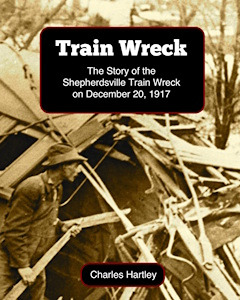
On this day in 1917, one of Kentucky’s deadliest rail disasters occurred at Shepherdsville on the Louisville and Nashville Railroad. Shortly after 5:30pm on 20 December, passenger train No. 7, a fast express commonly known as the Flyer, collided with the rear of local passenger train No. 41, known as the Accommodation. The crash happened on the main line just south of Shepherdsville station as dusk was falling, sending shockwaves through the small Bullitt County town and leaving a lasting mark on the state’s railway history.
The Accommodation had departed Louisville’s Union Station earlier that afternoon and was running behind schedule as it made its regular stops southbound. It was made up of a locomotive hauling several wooden passenger coaches, many of them crowded with holiday travellers. Instructions from the dispatcher required the local train to clear the main line and allow the Flyer to pass if it could not reach Bardstown Junction ahead of the express. As No. 41 arrived at Shepherdsville, its crew attempted to move the train into a siding, but the manoeuvre was not completed in time.
The Flyer, also running late, was approaching Shepherdsville at speed, hauling a longer consist that included heavier cars. When its engineer finally saw the rear of the Accommodation ahead, the train was still travelling at an estimated 25 miles per hour. Emergency brakes were applied immediately, but there was insufficient distance to stop. The locomotive struck the rear wooden coach of the local train with tremendous force, telescoping it and crushing adjacent cars as wreckage was driven forward along the track.
The aftermath was catastrophic. Wooden coaches were shattered, and debris, splintered timber and broken glass were strewn across the railway. Passengers were trapped, injured and killed amid the wreckage, and cries for help echoed through the fading light. Residents of Shepherdsville rushed to the scene to assist, while local doctors responded quickly. Homes, churches and businesses were opened to shelter and treat the injured as best they could under difficult conditions.
A relief train carrying doctors and surgeons from Louisville arrived within hours, and the most seriously injured were transported to hospitals. Military personnel from nearby Camp Taylor assisted with rescue and stretcher work. Recovery efforts continued through the night and into the following day. In total, at least 49 people lost their lives either at the scene or from their injuries, and more than 50 others were seriously hurt, making it the worst train wreck in Kentucky’s history.
Subsequent investigations concluded that the primary cause of the disaster was the failure to properly protect the rear of the Accommodation while it was obstructing the main line. The conductor and flagman were found not to have taken adequate steps to warn the approaching express using the safety measures required at the time. The tragedy exposed weaknesses in operating practices and signalling systems then in use and reinforced calls for improved train control and protection, lessons learned at a devastating human cost on this December evening in 1917.
Related Reads
Related Stories