
Transpennine Route Upgrade sets out year of sustainable progress across the North
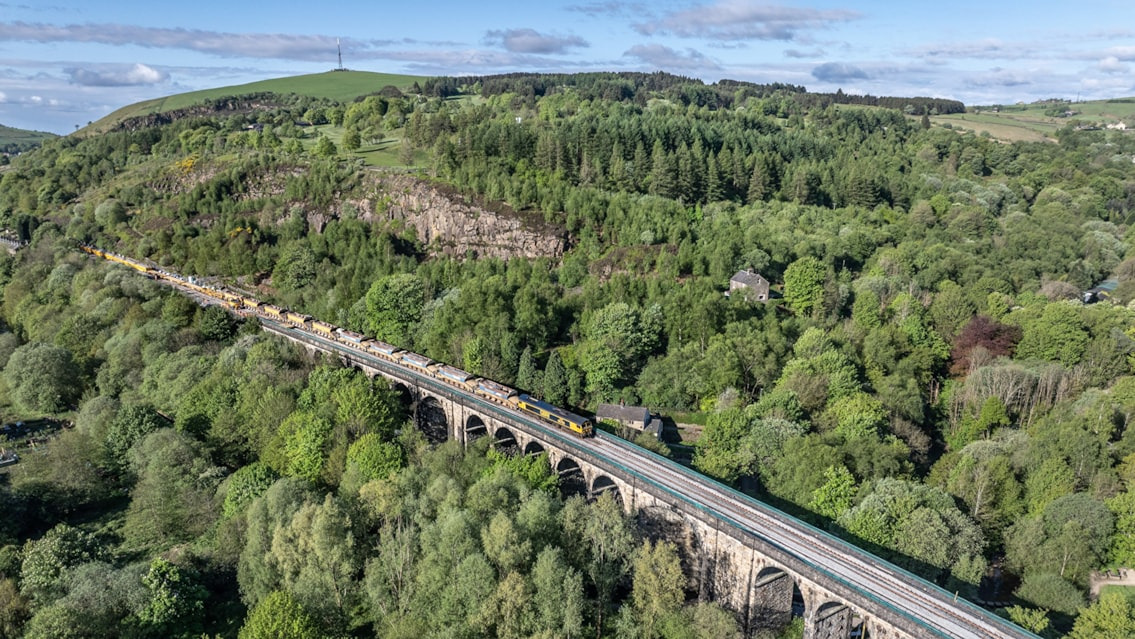

The Transpennine Route Upgrade has published its 2025 Sustainable Development Report, outlining a year of progress in delivering a faster, cleaner and more dependable railway across the North, while also creating long-term benefits for the communities along the route.
Covering the period from 1 April 2024 to 31 March 2025, the report highlights how sustainability has been built into every stage of the programme through its strategy, Our Guiding Compass. This approach brings together environmental responsibility, skills development, customer experience and community engagement as the project reshapes a key transport corridor.
According to the report, 25 per cent of the route is now fully electrified following the completion of electrification works between Manchester Victoria and Stalybridge, and between York and Church Fenton. Progress has also been made in reducing carbon and waste, with nearly all construction waste diverted from landfill and new low-carbon composite sleepers introduced at Osmondthorpe Lane, cutting emissions per sleeper by 70 per cent.
Investment in people remains a major focus. Over the year, almost 4,000 work experience days were delivered, alongside the recruitment of 99 apprentices and 39 graduates. The programme has also played a leading role in launching PlanBEE Rail, the UK’s first shared higher apprenticeship for the rail industry, offering apprentices multi-disciplinary experience through placements with several employers.
Economic benefits are also being felt across the supply chain. Nearly 70 per cent of non-core spending went to suppliers located within 25 miles of the route, contributing to more than £700m in local investment. Small and medium-sized enterprises accounted for over £320m of that spend, supporting business growth across the region.
Engagement with schools and communities continued throughout the year, with more than 14,500 young people taking part in workshops, careers events and inclusive programmes. Public art projects involving local pupils have also helped transform stations into community spaces, while the launch of the TRU Community Fund has already awarded more than £150,000 to local groups, with further funding now under way.
Looking ahead, the programme is preparing for a pivotal year in 2026. Major construction work will continue along the 70-mile route, three additional stations are due for completion, and the first long-term biodiversity commitments are expected to be delivered on the ground.
Alex Peters, Acting Head of Sustainability for TRU, said:
"I'm really proud of the progress we've made in our sustainable development this year. This report demonstrates that TRU is doing far more than improving railway infrastructure - it’s making a real, positive difference in communities along our route and leaving a sustainable legacy. We've electrified lines, launched the TRU Community Fund, introduced our first sustainable composite sleepers and identified Biodiversity Net Gain on the ground. These are just a few milestones from across the programme and I'm excited by what's to come, and the impact we will continue to make."
Image: Network Rail