
Autumn rail delays fall sharply across Scotland despite severe weather
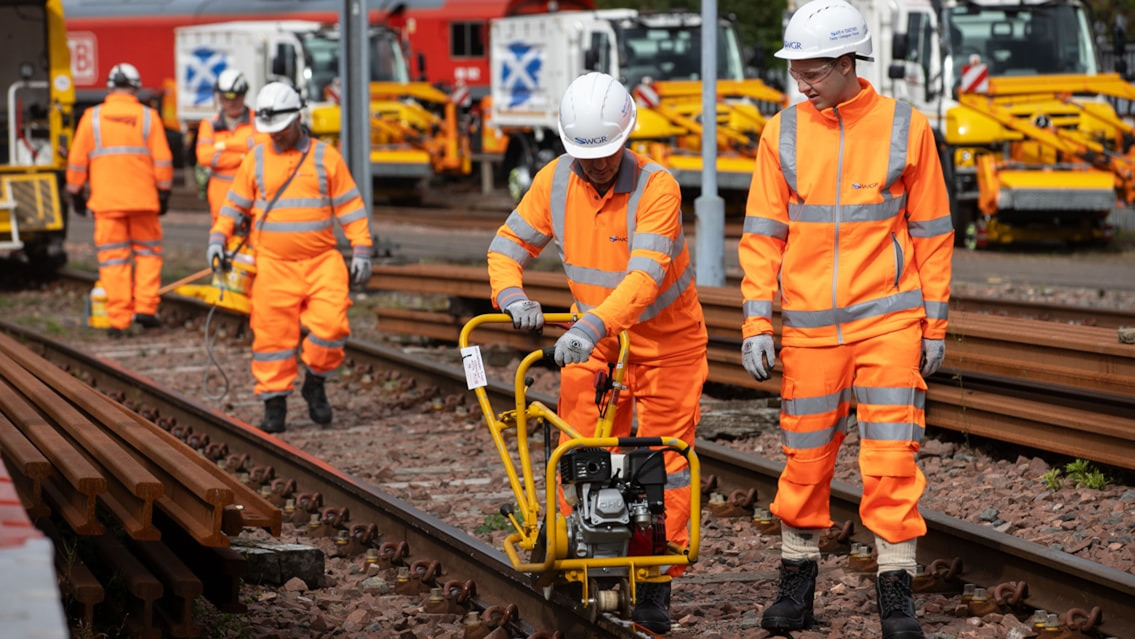

Train delays caused by autumn conditions in Scotland dropped sharply this year, with new figures showing a significant improvement compared with the previous season.
Network Rail said that between September and November 2025, around 14% of delays were attributed to leaf fall and other seasonal factors. That compares with 20% over the same period in 2024, marking a reduction of more than a quarter, despite challenging weather that included 17 days of severe autumn conditions and the impact of Storm Amy.
Autumn is traditionally one of the most difficult times for railway operations. Fallen leaves can form a thin, slippery layer on damp rails when crushed by passing trains, reducing grip in much the same way black ice affects roads. This can interfere with braking and acceleration, increasing the risk of delays.
To address the issue, Network Rail invested £6.4m in its autumn treatment programme across Scotland’s railway network. Specialist Rail Head Treatment Trains and multi-purpose vehicles were deployed to clear leaf build-up, while high-pressure water jets were used to clean the rails. Around 155 tonnes of sand were also applied to improve traction.
Over the three-month period, almost 400 treatment runs were completed, covering a total of 82,000 miles of track. Railway staff collectively worked more than 25,000 hours to maintain safety and performance during the most testing weeks of the season.
Further investment focused on improving train braking performance. Network Rail and ScotRail jointly spent £7.7m upgrading braking systems on more than 70 trains. The new technology automatically adjusts the amount of sand delivered between wheel and rail depending on speed, helping to improve grip and shorten stopping distances in slippery conditions.
Ross Moran, route director at Network Rail Scotland, said:
“Autumn brings unique challenges for Scotland’s railway, and these results show the difference that planning and investment can make. Our teams worked tirelessly to keep services moving safely and reliably, often in difficult conditions, and their efforts have delivered a real improvement for passengers. Seasonal weather will always test the network, and performance overall remains a priority. That’s why we continue to invest in technology and innovation, working closely with ScotRail and other operators to build resilience and deliver the best possible service for customers all year round.”
Mark Ilderton, ScotRail Service Delivery Director, said:
“Slippery rails are one of the biggest challenges the railway faces each autumn, and we know how frustrating it can be when leaf fall causes delays or cancellations. These results show that the work and investment made across Scotland’s Railway to reduce the risk of disruption caused by leaves on the line is paying off. As we move into the winter months, we’ll continue to work together with Network Rail to ensure Scotland’s Railway continues to deliver improvements and more reliable journeys for customers.”
Image: Network Rail