Greater Anglia Targets Trespass Hotspots After Hundreds of Hours of Delays
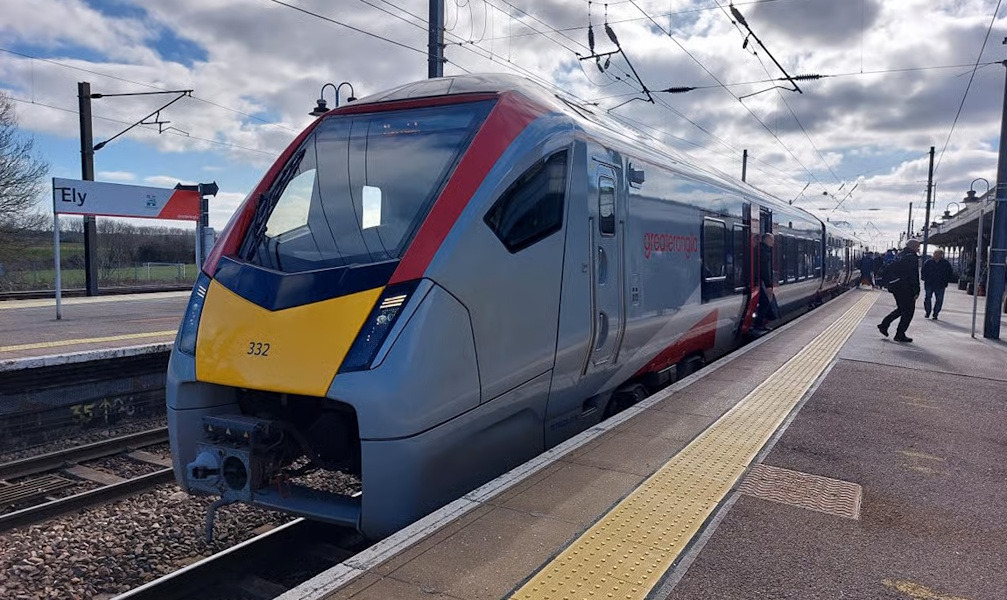

Greater Anglia has begun installing new anti-trespass measures at a number of railway stations across Cambridgeshire, Hertfordshire, Norfolk and Suffolk following figures showing the significant disruption caused by people accessing the railway without permission.
Data from the past year revealed that trespass incidents were responsible for more than 18 days’ worth of delays, amounting to over 440 hours of disruption and leading to 251 train cancellations. In response, the train operator is introducing a range of physical deterrents aimed at preventing people from entering the track area.
The measures include extra fencing, new gates and so-called witches’ hats, rubber spikes placed on the ground to discourage access to the railway. The work is intended to improve safety by keeping members of the public away from operational parts of the network.
Stations where the new installations are planned include Attleborough, Brandon, Cromer, Diss, Eccles Road, Gunton, Harling Road, Lakenheath, Manea, March, Roughton Road, Shippea Hill, Spooner Row, St Margarets, Thetford, West Runton, Whittlesea and Wymondham. Work started earlier this month and is expected to continue through to the spring.
Alongside physical safety improvements, Greater Anglia highlighted its ongoing partnership with the charity Samaritans. All rail staff are offered specialist training, with employees taking part in courses designed to help them identify people who may be vulnerable and approach them safely.
The training focuses on listening skills central to Samaritans’ work, as well as how to guide individuals to a place of safety and refer them to appropriate support, including friends, family, British Transport Police or Samaritans themselves.
Matt Wakefield, Greater Anglia’s Safety, Security & Sustainability Director, said:
“Safety is our top priority on the railway. These measures are designed to help keep people off the tracks and in a safe place. The railway is not a playground, and people should never go on the tracks without permission. Anyone who does so is putting their life and the lives of others at risk. Anyone who sees someone on the tracks should alert a member of rail staff immediately or dial 999 in an emergency.”
Image: Greater Anglia
Related Stories